ADVERTISEMENT

AKAP serves low-income workers while AICS supports anyone in crisis, says DSWD

Published Jun 20, 2025 01:47 pm
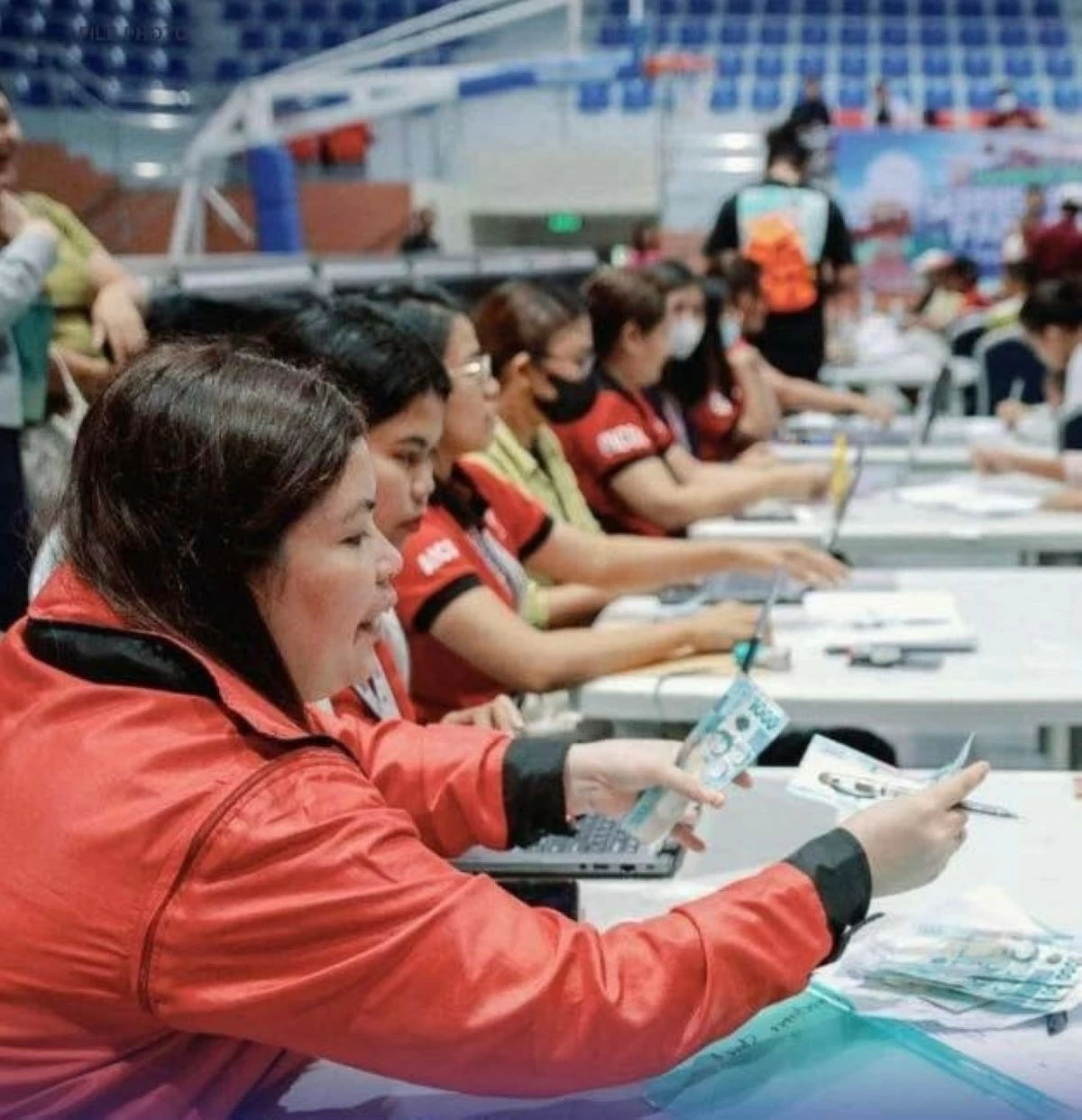
DSWD FILE PHOTO
DSWD FILE PHOTO
The Department of Social Welfare and Development (DSWD) reiterated that its “Ayuda sa Kapos ang Kita Program” (AKAP) is intended specifically for individuals earning below the minimum wage and who are affected by rising inflation.
In a statement on Friday, June 20, Protective Services Bureau–Crisis Intervention Division Director Edwin Morata clarified that AKAP is distinct from the Assistance to Individuals in Crisis Situation (AICS) program, primarily due to its target beneficiaries.
The AICS is open to anyone experiencing an extreme crisis, regardless of economic status, while AKAP is focused on low-income earners who may have a steady income but still struggle to meet basic needs.
“Ang tinatarget natin dito [AKAP] ay earning individuals na kumikita pero ang kita nila ay hindi sapat. So maaaring may source of income sila pero hindi pa din nila kayang itaguyod o itawid ang pangangailangan nila (What we’re targeting under AKAP are individuals who are earning, but their income is not enough. They may have a source of income, but still cannot cover their basic needs),” Morata explained.
He further noted that AKAP covers working individuals facing economic difficulties such as unpaid rent, and bills, or those affected by end-of-contract (ENDO) scenarios.
“Sa AICS hindi tinitignan ang economic status nila. Sitwasyon agad ang tinitignan namin (In AICS, we don't look at their economic status. We assess the situation right away),” he pointed out.
Despite the distinctions, Morata said social workers remain responsible for evaluating applications and determining the appropriate assistance based on submitted documents.
From January to June 19,  the DSWD has served 892,061 individuals under AKAP, while 5,446,941 beneficiaries have received support through the AICS program nationwide.
“Ang maganda sa AKAP, it goes beyond not only covering those situations that affect their capacity. Pero nagdagdag kami ng isang category ng assistance, cash assistance, pero ang diperensya ay iba ang target natin (That’s the strength of AKAP. It goes beyond just covering needs. We added a cash assistance category, but the difference lies in our target group),” Morata said.
“For example, hindi ka nakapagbayad ng renta or bills kasi sa loob ng 20-days ng working, isang linggo siyang absent kasi nagkasakit siya (For example, someone couldn’t pay rent or bills because out of 20 working days, they were absent for a week due to illness),” he said.

Related Tags

DSWD AKAP AICS Edwin Morata low-income crisis situations
ADVERTISEMENT
.most-popular .layout-ratio{ padding-bottom: 79.13%; } @media (min-width: 768px) and (max-width: 1024px) { .widget-title { font-size: 15px !important; } }

{{ articles_filter_1561_widget.title }}

.most-popular .layout-ratio{ padding-bottom: 79.13%; } @media (min-width: 768px) and (max-width: 1024px) { .widget-title { font-size: 15px !important; } }

{{ articles_filter_1562_widget.title }}

.most-popular .layout-ratio{ padding-bottom: 79.13%; } @media (min-width: 768px) and (max-width: 1024px) { .widget-title { font-size: 15px !important; } }

{{ articles_filter_1563_widget.title }}

{{ articles_filter_1564_widget.title }}

.mb-article-details { position: relative; } .mb-article-details .article-body-preview, .mb-article-details .article-body-summary{ font-size: 17px; line-height: 30px; font-family: "Libre Caslon Text", serif; color: #000; } .mb-article-details .article-body-preview iframe , .mb-article-details .article-body-summary iframe{ width: 100%; margin: auto; } .read-more-background { background: linear-gradient(180deg, color(display-p3 1.000 1.000 1.000 / 0) 13.75%, color(display-p3 1.000 1.000 1.000 / 0.8) 30.79%, color(display-p3 1.000 1.000 1.000) 72.5%); position: absolute; height: 200px; width: 100%; bottom: 0; display: flex; justify-content: center; align-items: center; padding: 0; } .read-more-background a{ color: #000; } .read-more-btn { padding: 17px 45px; font-family: Inter; font-weight: 700; font-size: 18px; line-height: 16px; text-align: center; vertical-align: middle; border: 1px solid black; background-color: white; } .hidden { display: none; }
function initializeAllSwipers() { // Get all hidden inputs with cms_article_id document.querySelectorAll('[id^="cms_article_id_"]').forEach(function (input) { const cmsArticleId = input.value; const articleSelector = '#article-' + cmsArticleId + ' .body_images'; const swiperElement = document.querySelector(articleSelector); if (swiperElement && !swiperElement.classList.contains('swiper-initialized')) { new Swiper(articleSelector, { loop: true, pagination: false, navigation: { nextEl: '#article-' + cmsArticleId + ' .swiper-button-next', prevEl: '#article-' + cmsArticleId + ' .swiper-button-prev', }, }); } }); } setTimeout(initializeAllSwipers, 3000); const intersectionObserver = new IntersectionObserver( (entries) => { entries.forEach((entry) => { if (entry.isIntersecting) { const newUrl = entry.target.getAttribute("data-url"); if (newUrl) { history.pushState(null, null, newUrl); let article = entry.target; // Extract metadata const author = article.querySelector('.author-section').textContent.replace('By', '').trim(); const section = article.querySelector('.section-info ').textContent.replace(' ', ' '); const title = article.querySelector('.article-title h1').textContent; // Parse URL for Chartbeat path format const parsedUrl = new URL(newUrl, window.location.origin); const cleanUrl = parsedUrl.host + parsedUrl.pathname; // Update Chartbeat configuration if (typeof window._sf_async_config !== 'undefined') { window._sf_async_config.path = cleanUrl; window._sf_async_config.sections = section; window._sf_async_config.authors = author; } // Track virtual page view with Chartbeat if (typeof pSUPERFLY !== 'undefined' && typeof pSUPERFLY.virtualPage === 'function') { try { pSUPERFLY.virtualPage({ path: cleanUrl, title: title, sections: section, authors: author }); } catch (error) { console.error('ping error', error); } } // Optional: Update document title if (title && title !== document.title) { document.title = title; } } } }); }, { threshold: 0.1 } ); function showArticleBody(button) { const article = button.closest("article"); const summary = article.querySelector(".article-body-summary"); const body = article.querySelector(".article-body-preview"); const readMoreSection = article.querySelector(".read-more-background"); // Hide summary and read-more section summary.style.display = "none"; readMoreSection.style.display = "none"; // Show the full article body body.classList.remove("hidden"); } document.addEventListener("DOMContentLoaded", () => { let loadCount = 0; // Track how many times articles are loaded const offset = [1, 2, 3, 4, 5, 6, 7, 8, 9, 10]; // Offset values const currentUrl = window.location.pathname.substring(1); let isLoading = false; // Prevent multiple calls if (!currentUrl) { console.log("Current URL is invalid."); return; } const sentinel = document.getElementById("load-more-sentinel"); if (!sentinel) { console.log("Sentinel element not found."); return; } function isSentinelVisible() { const rect = sentinel.getBoundingClientRect(); return ( rect.top < window.innerHeight && rect.bottom >= 0 ); } function onScroll() { if (isLoading) return; if (isSentinelVisible()) { if (loadCount >= offset.length) { console.log("Maximum load attempts reached."); window.removeEventListener("scroll", onScroll); return; } isLoading = true; const currentOffset = offset[loadCount]; window.loadMoreItems().then(() => { let article = document.querySelector('#widget_1690 > div:nth-last-of-type(2) article'); intersectionObserver.observe(article) loadCount++; }).catch(error => { console.error("Error loading more items:", error); }).finally(() => { isLoading = false; }); } } window.addEventListener("scroll", onScroll); });

Sign up by email to receive news.