






Manila Bulletin
 Philippines
National
With big-time fuel price hikes looming, Villafuerte revives call for a strategic petroleum reserve plan
Philippines
National
With big-time fuel price hikes looming, Villafuerte revives call for a strategic petroleum reserve plan
Philippines
National
With big-time fuel price hikes looming, Villafuerte revives call for a strategic petroleum reserve plan
With big-time fuel price hikes looming, Villafuerte revives call for a strategic petroleum reserve plan
Published Jun 19, 2025 12:42 pm


At A Glance
- It's time for President Marcos to consider putting up the long-proposed strategic petroleum reserve plan (SPRP) as a way to stabilize fuel supply and prices.
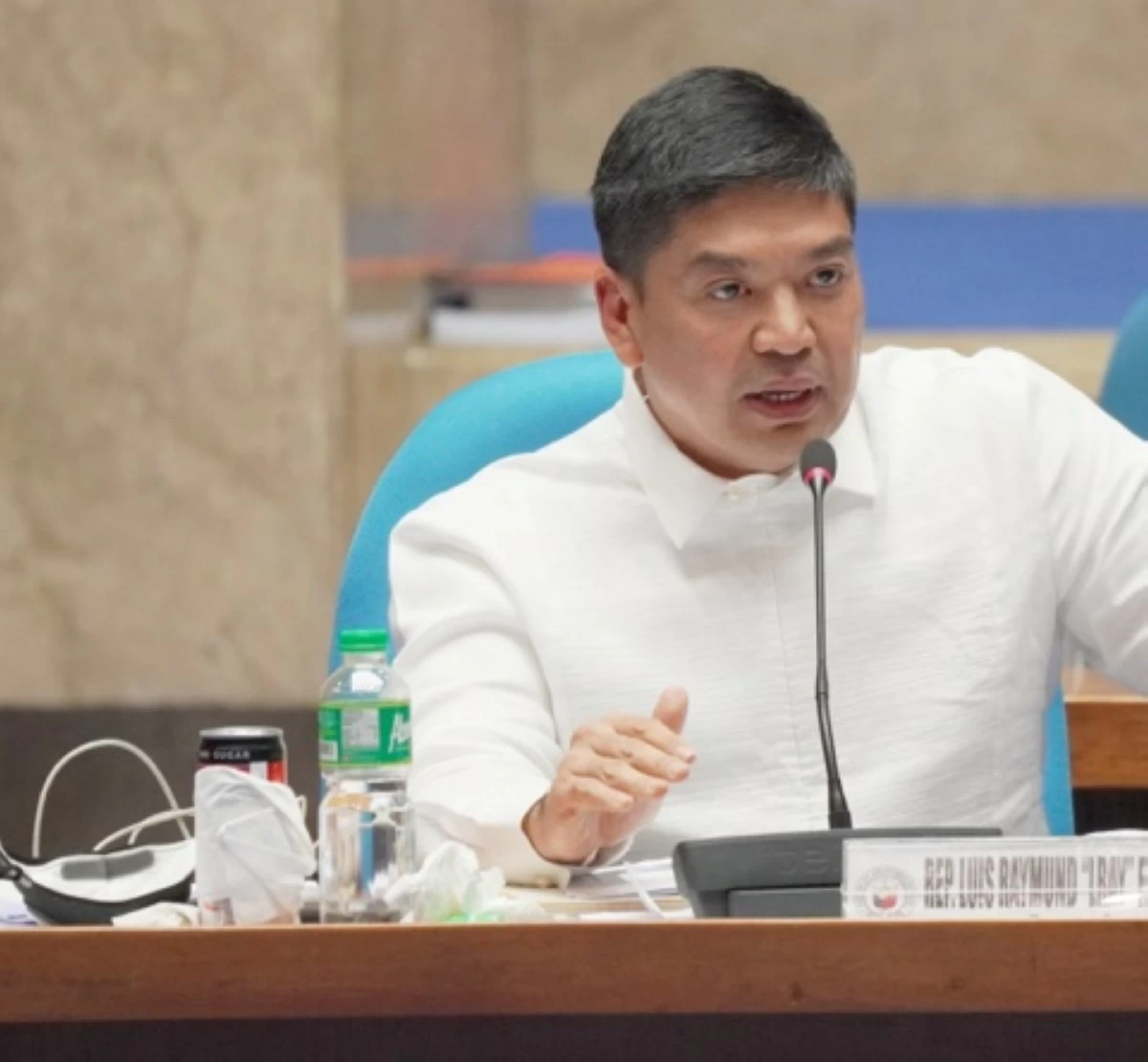
Camarines Sur 2nd district Rep. LRay Villafuerte (Rep. Villafuerte’s office)
It’s time for President Marcos to consider putting up the long-proposed strategic petroleum reserve plan (SPRP) as a way to stabilize fuel supply and prices.
Thus, said outgoing Camarines Sur 2nd district Rep. LRay Villafuerte, who expressed concerns over the spike in world oil prices due to the rising conflict in the Middle East, particularly between Israel and Iran.
“Filipinos are expectedly anxious and jumpy over the rising pump prices of fuel that are seen to rocket further in the weeks or months ahead as Israel and Iran began launching retaliatory missile strikes against each other, Villafuerte said in a statement Thursday, June 19.
There are already projections local pump prices for diesel could go up by as much as P3 per liter for diesel, while gasoline could increase by P2 per liter.
“Hence, now more than ever seems like the right time for putting on the front burner the long-proposed SPR plan for the government to purchase and stock up on fuel when global prices are low and unload or sell such reserves at relatively lower prices, primarily for the benefit of ordinary consumers or motorists, when global rates are high as a result of geopolitical tensions or other factors,” said Villafuerte.
Villafuerte, the National Unity Party (NUP) president and governor-elect of Camarines Sur, first suggested the SPRP during the previous Duterte administration.
“If the DOE (Department of Energy) had put up this [SPRP] sooner with a great sense of urgency, the proposed fuel reserve meant to enhance the security of fuel supply would be up and running possibly by this time,” said the Bicolano.
President Marcos said this week that his government stands ready to extend fuel subsidies to sectors hard hit by potential oil supply disruptions resulting from the escalating conflict in the Middle East.
Pump prices of diesel and gasoline already climbed by P1.80 per liter this week—the fifth successive adjustment in as many weeks.
Villafuerte said that contrary to the views of previous DOE officials, an SPRP could directly affect retail prices because once reserve stocks are purchased at a time when global rates are relatively lower, the government can then sell its reserve fuel cheaper than the prevailing market rates when global prices are high.
“Although it is really expensive to put up and maintain an SPR facility, we should bear in mind that the switch from fossil fuel to green energy and the promotion of EVs (electric vehicles) are also equally expensive government proposals,” said Villafuerte, a staunch advocate of renewable energy (RE) in Congress.
But rather than choose one over the other, he said, “The DOE could pursue both plans side-by-side so that the government could invest in the SPRP to somehow shield our consumers from oil price volatilities, and at the same time invest in EVs and RE while promoting the domestic use of green cars.”
Otherwise, he said, “What option does the DOE have to cushion on our people, especially those who experience daily a steady erosion in their purchasing power, the impact of non-stop fuel rates, which has already induced higher transport fares and food prices?”