






Manila Bulletin
 Business
Banking & Finance
Gov't to implement crypto-asset tax framework by end of Marcos term
Business
Banking & Finance
Gov't to implement crypto-asset tax framework by end of Marcos term
Business
Banking & Finance
Gov't to implement crypto-asset tax framework by end of Marcos term
Gov't to implement crypto-asset tax framework by end of Marcos term
By Derco Rosal
Published Jun 18, 2025 12:00 am
|
Updated Jun 17, 2025 04:29 pm


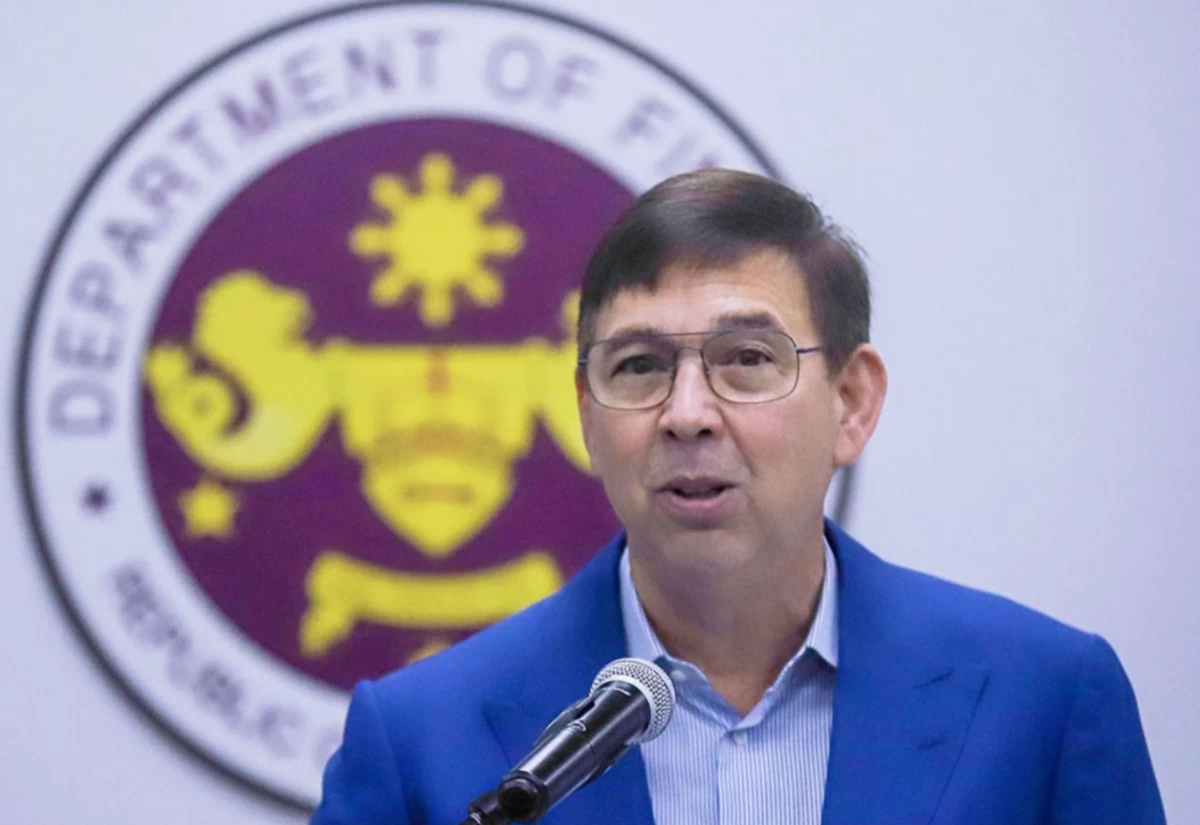
A framework on crypto-assets will be implemented by the end of Marcos administration to combat cross-border tax evasion and illicit financial flows, according to the Department of Finance (DOF).
“We need faster and stronger systems for collaboration if we are to beat tax evasion and illicit transactions,” Finance Ralph G. Recto said in a statement.
He stressed that implementing the framework is a “timely commitment as digital currency becomes one of the preferred means for transactions,” noting that the government “must ensure that crypto-asset users are paying their fair share of taxes and that no illicit financial activity goes unpunished.”
Finance Undersecretary Charlito Martin R. Mendoza confirmed this commitment during the 8th Asia Initiative meeting in Malé, Maldives.
Institutionalizes the framework for the reporting and automatic exchange of information in relation to crypto-assets between tax authorities for tax compliance purposes.
According to the DOF, the Crypto-Asset Reporting Framework (CARF) establishes a system for tax authorities—the Bureau of Internal Revenue (BIR) and the Bureau of Customs (BOC)—to automatically exchange information on crypto-assets, thereby supporting tax compliance.
Given this commitment, the Philippines joins 67 other jurisdictions, including 10 in Asia, that have committed to implement the CARF by 2027 or 2028.
To enhance tax transparency, the DOF outlined reforms to improve the exchange of information (EOI) on request, steps taken to enhance the monitoring process, and efforts to adopt common reporting standards.
The Philippines joined the Asia Initiative in 2023 to support the implementation of global standards on transparency and information exchange, helping combat tax evasion and illicit financial flows.
From 2009 to 2024, tax transparency measures, including EOI requests, offshore probes, the automatic exchange of financial account information (AEOI), and voluntary disclosures, helped uncover at least €24 billion in additional revenue.
In 2024 alone, tax authorities identified at least €1.9 billion in additional revenue—€1.7 billion from EOI requests and about €200 million from AEOI.