






Manila Bulletin
 Philippines
National
3 things to expect from VP Duterte's impeachment, per Senate impeachment spox
Philippines
National
3 things to expect from VP Duterte's impeachment, per Senate impeachment spox
Philippines
National
3 things to expect from VP Duterte's impeachment, per Senate impeachment spox
3 things to expect from VP Duterte's impeachment, per Senate impeachment spox
By Dhel Nazario
Published Jun 18, 2025 05:32 pm


At A Glance
- Senate Impeachment Court Spokesperson Atty. Regie Tongol said Vice President Sara Duterte's legal team is expected to file a motion to dismiss the impeachment case against her or file an answer with affirmative defense questioning the jurisdiction of the impeachment court, aligning with their Supreme Court petition.
- Should the Vice President fail to respond to the non-extendable 10-day summons issued by the impeachment court, Tongol explained that the process would continue.
The defense team of Vice President Sara Duterte is expected to file a motion to dismiss the impeachment complaint against her, Senate Impeachment Court spokesperson Atty. Regie Tongol said on Wednesday, June 18.
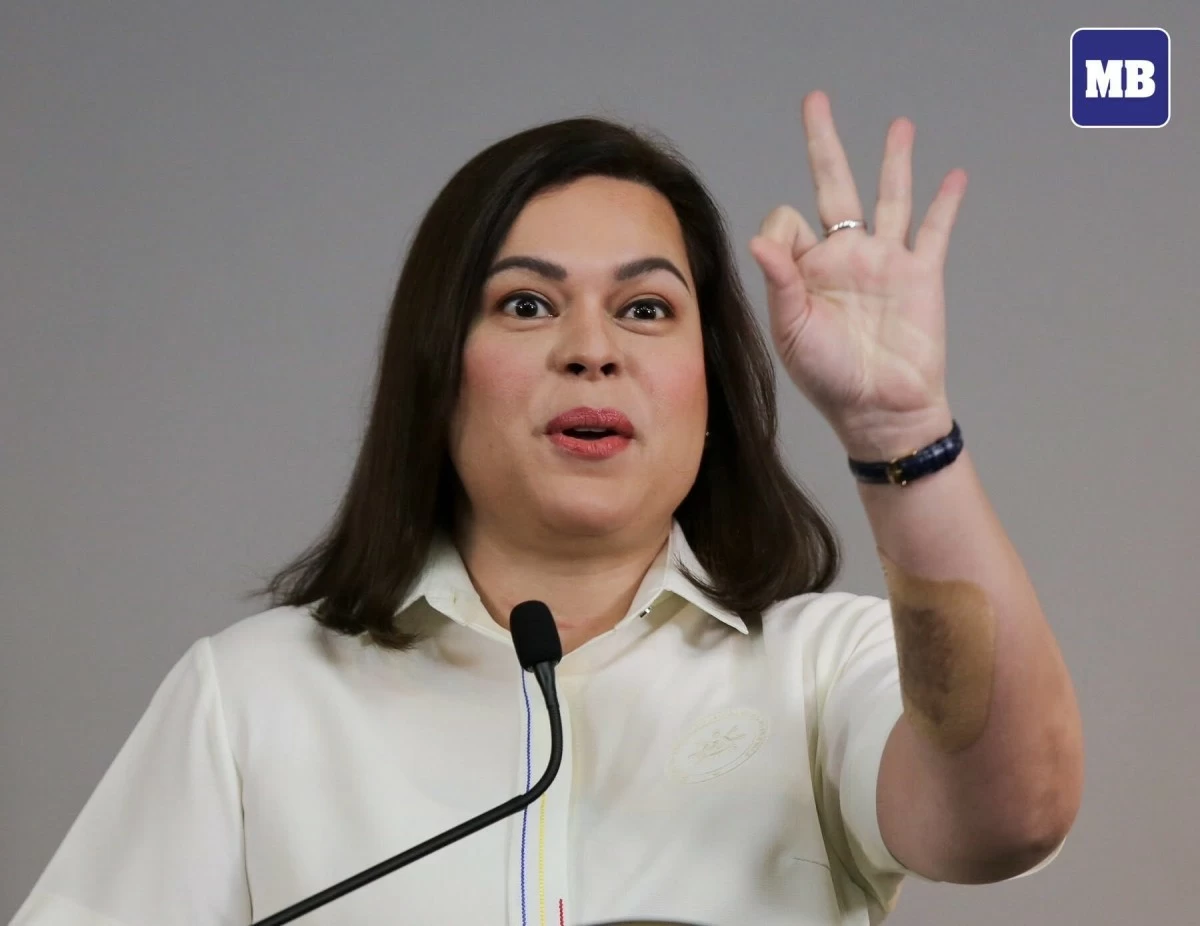
Vice President Sara Duterte (MB File Photo)
This is one of the possibilities that Duterte's legal team would do, Tongol said in a press conference.
He said it was either this or number two, an answer with affirmative defense, questioning the jurisdiction of the impeachment court.
Either of these is in line with the petition for certiorari and prohibition they earlier filed before the Supreme Court (SC). To recall, Duterte sought the nullification, for alleged constitutional violation, of the impeachment complaints filed against her by the House of Representatives before the Senate for trial.
In her petition, Duterte asked the SC to issue a temporary restraining order (TRO) to stop the House from proceeding with the impeachment trial and for the Senate to desist from acting on the complaints.
Tongol explained that when a lawyer includes ad cautelam in their pleading, it almost always means they’re preparing to question the court’s jurisdiction, which he believes aligns with the petition the Vice President filed before the Supreme Court, challenging the continuation of the impeachment process against her.
“By filing a formal entry of appearance, ad cautelam, it means the lawyers are not yet recognizing the court’s jurisdiction,” Tongol said in Filipino.
“It’s filed to comply and also to avoid waiving their rights. So the expected action from the defense would be to file either an answer with affirmative defenses questioning the jurisdiction or a motion to dismiss the case for lack of jurisdiction,” he added.
Tongol emphasized that such a move aligns with the legal strategy already undertaken by Duterte's camp.
The likelihood of that happening is quite high based on experience. Our litigation process is like an equation, when you say 1 + 1, you immediately know it equals 2. It’s the same here: when you file an ad cautelam, you already know that questioning the court’s jurisdiction is the likely tactic of the defense, he said.
“As a lawyer, if I don’t want to respond to the specific complaints filed against me, I would file a motion to dismiss, in line with the petition for certiorari and prohibition already filed with the Supreme Court,” he added.
And number three, asked what would happen if the Vice President fails to respond to the non-extendable 10-day summons issued by the impeachment court, Tongol explained that the process would continue.
“Under Senate impeachment rules, the trial proceeds even if the respondent fails to answer. The prosecution panel will still present evidence, but the respondent waives her right to present a defense,” he explained.
He added that if a motion to dismiss is filed, it would likely be tackled during trial proceedings, whether or not the articles of impeachment can be dismissed.
When it comes to voting on this motion, Tongol said that this is one of the vague things that might be put up for debate and vote with the impeachment court.
One school of thought will say just a majority based on the suppletory application of the Senate Rules (as a legislative body) and another school of thought will say because it is an impeachment case it should be two-thirds vote as provided in the constitution, he said.