






Manila Bulletin
 Environment and Sustainability
Understanding bioremediation: Healing Marinduque's mined lands
Environment and Sustainability
Understanding bioremediation: Healing Marinduque's mined lands
Environment and Sustainability
Understanding bioremediation: Healing Marinduque's mined lands
Understanding bioremediation: Healing Marinduque's mined lands
Published Jun 17, 2025 12:49 am


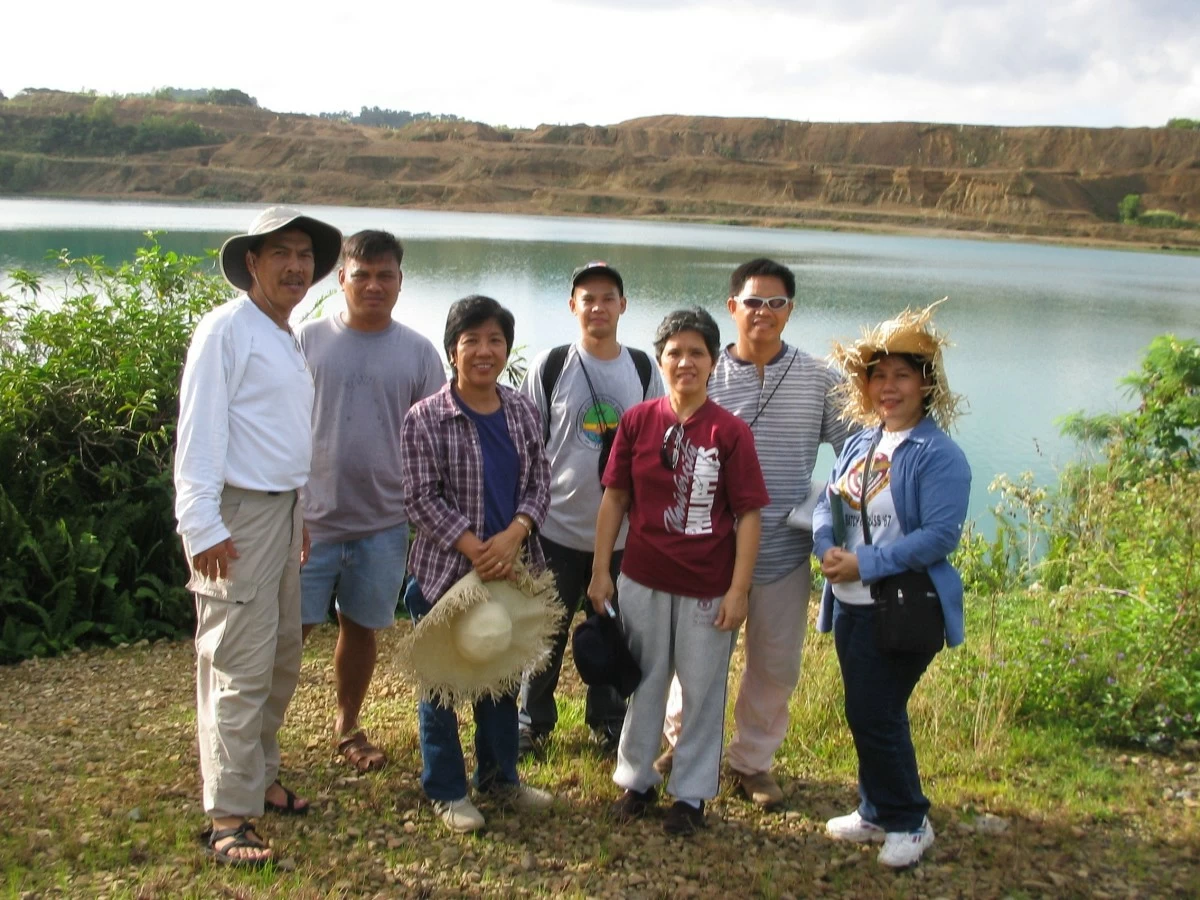
Some members of the Bioremediation team on their first trip to the Mogpog reconnaissance of the mined area led by Dr. Asuncion K. Raymundo (third from left) with Dr. Lorele Trinidad (fifth from left), Dr. Nina Cadiz (rightmost), Dr. Nelson Pampolina (second from right), together with support staff and guides from Mogpog LGU.
In March 1996, the quiet towns of Marinduque became the epicenter of news headlines when a mine tailings spill from the Marcopper Mining Corporation unleashed devastation across the province. Over two million metric tons of toxic mine waste flowed into the Boac and Makulapnit Rivers, poisoning farmlands, displacing communities, and leaving behind a toxic trail that lingered in the soil and the collective memory of the people.
In a country long grappling with the consequences of unchecked mining, the Marinduque disaster served as a national awakening. Public consciousness shifted toward the harsh realities of environmental degradation and the long-term risks of irresponsible extraction. And while more than two decades have passed, the effects are still visible—dead lands, poisoned rivers, and lifeless rice paddies.
But now, science offers a heap of hope.
At the heart of this new optimism is a science-led solution known as bioremediation, championed by a multidisciplinary team from the University of the Philippines Los Baños (UPLB). Headed by microbiologist Dr. Asuncion K. Raymundo, the team is currently composed of plant biologist/physiologist Dr. Nina M. Cadiz, environmental forester Dr. Nelson M. Pampolina, plant nutritionist Dr. Nelly S. Aggangan, environmental chemist Dr. Veronica P. Migo, microbiologist Dr. Lorele C. Trinidad, chemical engineer Dr. Catalino G. Alfafara, agricultural engineer Dr. Fidel Rey Nayve, social forester Prof. Marlo D. Mendoza, sociologist Dr. Gloria Luz M. Nelson, plant ecologist Dr. Virginia C. Cuevas, microbial ecologist Dr. Charina Gracia B. Banaay, forester Julieta A. Anarna, sociologist Prof. Emerlinda T. Mendoza, and entomologist/environmentalist Dr. Merdelyn C. Lit.
Their pioneering work in Mogpog, Marinduque is proving that even the most damaged landscapes can be revived with the help of nature itself.
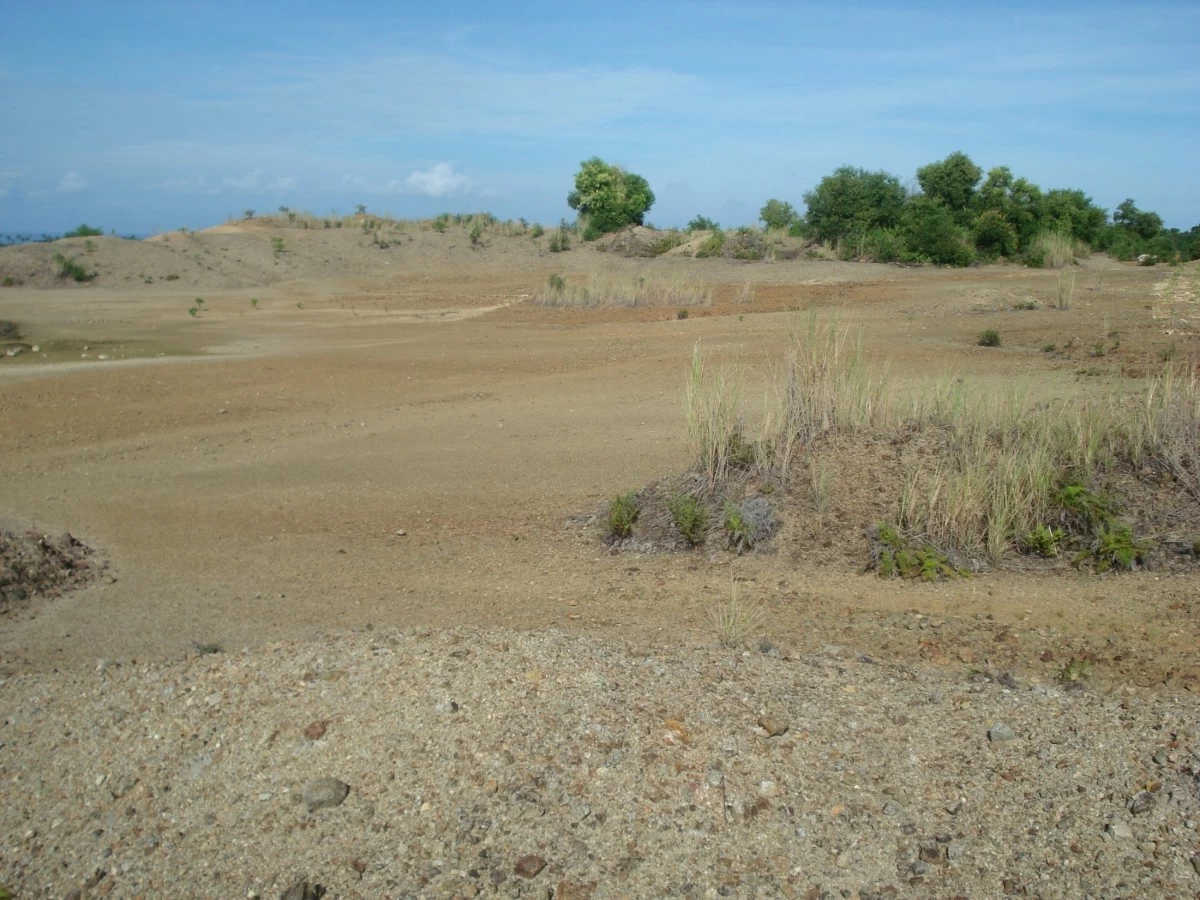
The Mogpog abandoned mine site in 2006 before Bioremediation
What is bioremediation?
“Bioremediation is a process that uses living organisms—like bacteria, fungi, and plants—to neutralize, transform, or remove pollutants from the environment,” explains the UPLB Bioremediation Research Team (BRT). “These organisms either metabolize hazardous substances, breaking them down into less toxic or harmless compounds, or physically remove pollutants from the soil or water.
In Marinduque’s case, bioremediation is being used to tackle contamination from heavy metals such as copper, manganese, lead, and zinc. These metals have been found in alarming concentrations in rice paddies, soil, and water bodies surrounding the mining sites.
According to a 2022 study, rice paddies in Barangays Capayang, Ino, and Mangyan Mababad have copper concentrations ranging from 108 to 512 mg/kg, well beyond the natural background level of 50 mg/kg. In Barangay Capayang, copper contamination has been detected as deep as one meter into the soil.
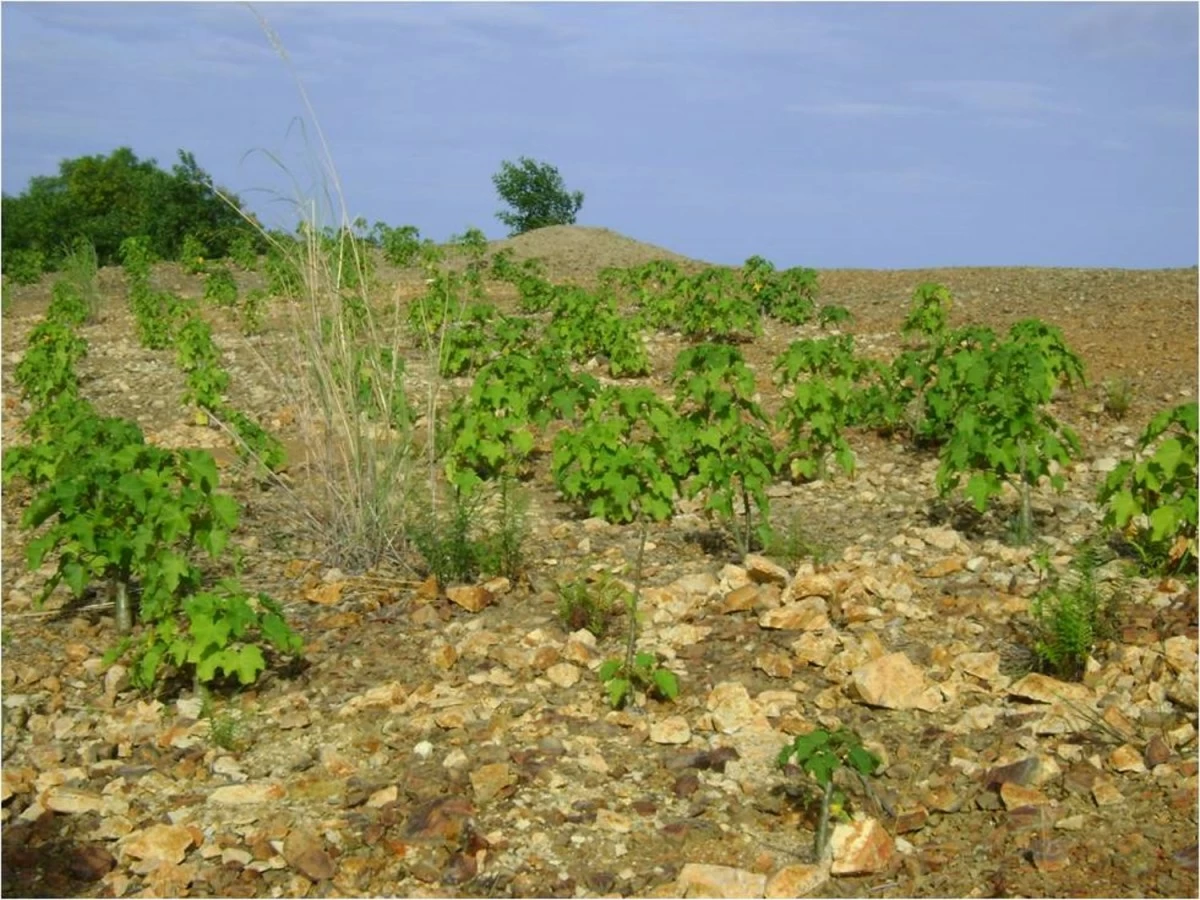
The site in 2008 showed signs of life after Bioremediation.
Nature as remedy
The BRT’s approach involved isolating indigenous microorganisms from the rhizosphere of hardy plants growing in contaminated zones. These included arbuscular mycorrhizal fungi (AMF) and nitrogen-fixing bacteria (NFB) that had naturally adapted to the harsh, metal-laden soils.
“By using native microbes like MogMYC and MogNFB, we are working with life forms that are already acclimatized to the site’s conditions,” the team writes. “These microbes were rigorously tested under nursery and field conditions and were found to be comparable in performance to commercial inoculants such as MYKORICH and BioN.”
Another key component is the use of Trichoderma microbial inoculant (TMI), developed by Dr. Virginia Cuevas. When combined with rice straw compost, TMI significantly reduced the mobility of heavy metals in soil. “The fungus is capable of immobilizing metals through biosorption, bioaccumulation, and biovolatilization, preventing translocation from soil to plant tissues,” the report notes.
Even promising bioenergy crops like “tubang bakod” or “tuba-tuba” (Jatropha curcas) were used. Inoculated with compost, lime, and mycorrhiza, these plants grew robustly and safely, without transferring heavy metals into their fruits or seeds.
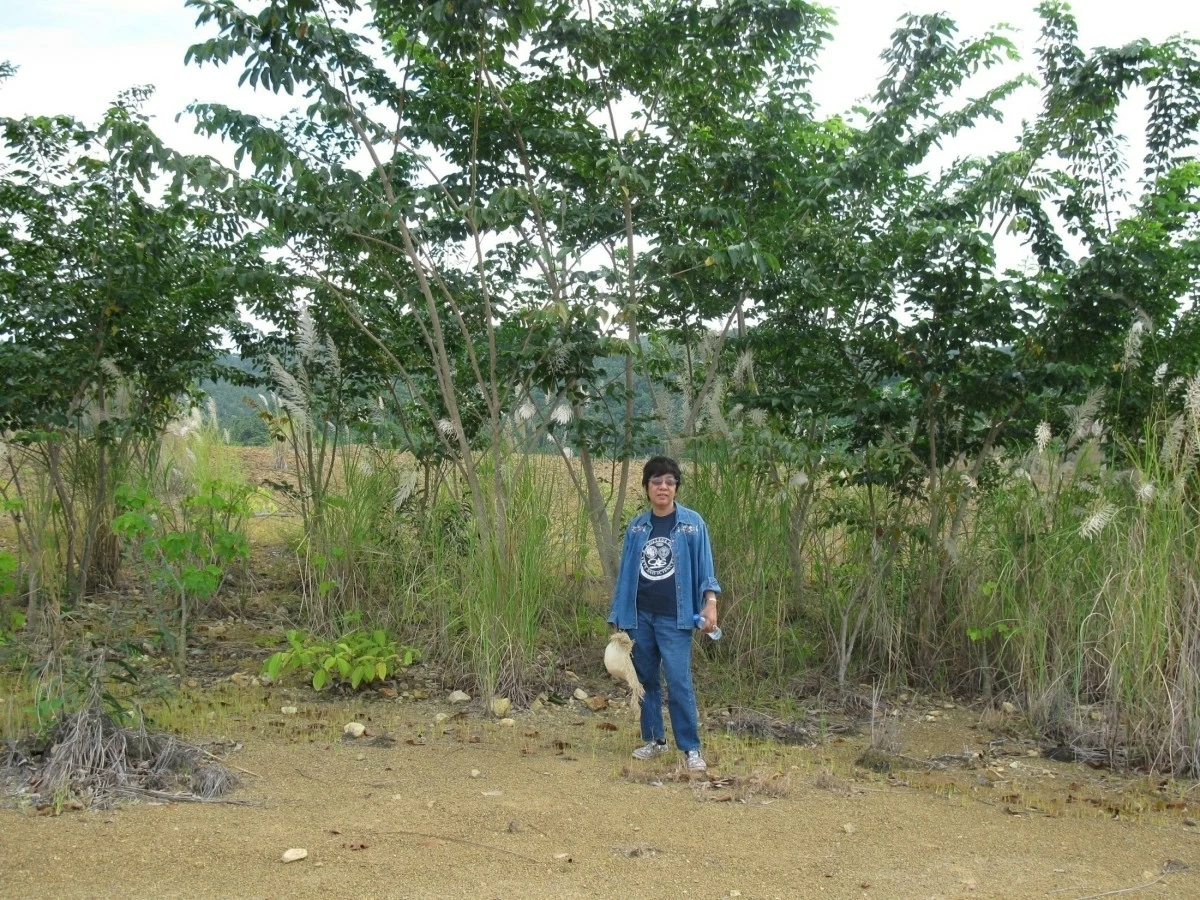
The site in 2010 with Dr. Raymundo
Impact beyond the lab
The results of these bioremediation efforts are nothing short of transformative.
Since the pilot projects began in 2006, previously barren mine tailing dump sites have started to show signs of life. “The mine tailing sites have now developed green cover through the successful establishment of pioneer species such as Jatropha curcas and native trees like Pterocarpus indicus [narra] and Cassia spectabilis [golden flower or yellow shower],” the team reports. The survival rates were high, especially in treatments combining compost, lime, and indigenous microbial inoculants.
Soil health also improved markedly. Prior to interventions, the site had poor soil conditions with low microbial activity. Bioremediation improved the rhizosphere bacterial population, particularly heavy metal-resistant bacteria, enhancing nutrient cycling and plant health.
The impact also extended to climate action. Rehabilitated areas showed increased carbon sequestration through biomass accumulation. “Treated sites stored significantly more above-ground carbon than unrehabilitated ones,” the researchers add.
Even rice yields improved. In a study led by Dr. Cuevas, rice yields increased by almost 100 percent with compost and microbial remediation. Copper and lead in the soil were also significantly reduced.
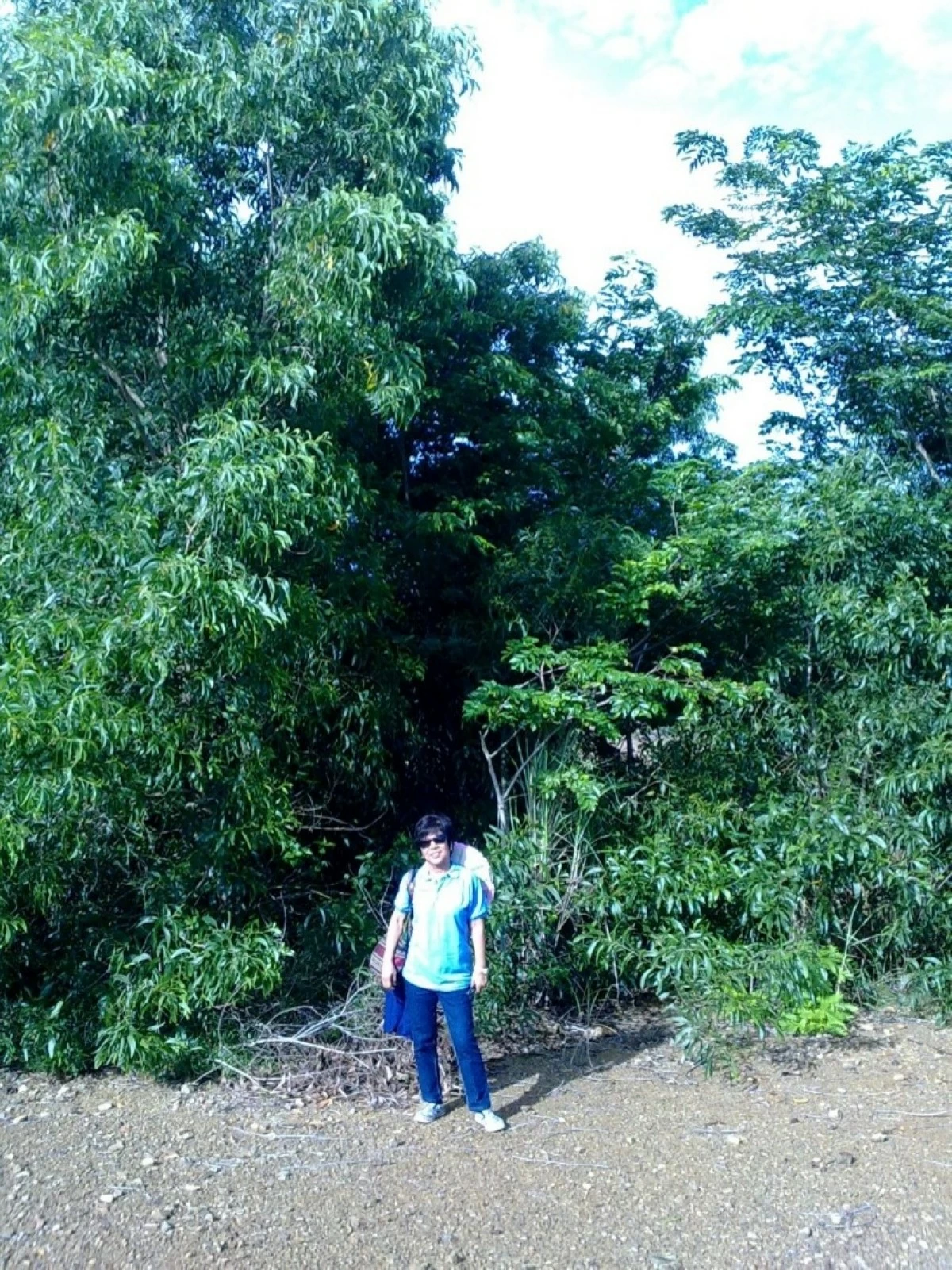
Dr. Raymundo visits the site after 10 years of implementing Bioremediation.
Science that speaks
To communicate these complex scientific efforts to the public, bioremediation even took center stage—literally.
In May, a stage play titled “Bioremediation” by Palanca-winning playwright Dr. Layeta P. Bucoy was performed at UP Los Baños. The creative production used drama to explore the science and soul of environmental healing. Lines in the play even referenced the scientists involved—Dr. Raymundo and Dr. Cuevas among them—highlighting the team working to repair the mined land.
This crossover between art and science was a powerful form of public engagement. It raised awareness among the students and inspired community involvement.
Role of the community
Bioremediation in Mogpog wasn’t just a top-down effort. Local residents, schools, and government units all played key roles in site rehabilitation.
“Residents attended lectures, joined planting activities, and even made the commitment to plant at least five trees per household,” the BRT shares. “There was a 90 percent approval rating among the local population for the bioremediation strategy.”
With community buy-in, the work gained momentum. LGUs assisted in site selection, monitoring, and educational outreach. The experience in Mogpog is now seen as a model that can be replicated in other post-mining sites across the country.
Already, the Department of Science and Technology’s National Research Council of the Philippines (DOST-NRCP) is implementing the Greening Mined Areas in the Philippines (GMAP) program headed by Dr. Nelly Aggangan, which builds on the work started in Mogpog. Bioremediation sites have since expanded to Surigao del Norte, Zambales, and Cebu.
As of 2025, Mogpog stands not as a cautionary tale, but as a hopeful template for healing damaged lands. From lifeless soil to thriving green cover, the science of Bioremediation is helping write a new narrative: one that brings life back to the land, and dignity back to its people.