






Manila Bulletin
 Environment and Sustainability
Philippine EPR achievements highlighted at Sustainability in Packaging Asia event
Environment and Sustainability
Philippine EPR achievements highlighted at Sustainability in Packaging Asia event
Environment and Sustainability
Philippine EPR achievements highlighted at Sustainability in Packaging Asia event
Philippine EPR achievements highlighted at Sustainability in Packaging Asia event
Published Jun 17, 2025 10:31 pm


At A Glance
- Mondelēz International and PCX share local best practices on Extended Producer Responsibility implementation with Southeast Asia audiences.
- Exceeding EPR recovery targets and empowering communities, earning the Plastic Cleanup Partner badge in 2024
As sustainability regulations become more robust across Southeast Asia, Mondelēz International in the Philippines is contributing its experience and learning in plastic stewardship to support broader efforts in Southeast Asia. The company was represented during the recently held “Sustainability in Packaging Asia” event held in Singapore on June 5 and 6 together with its partner PCX Markets, to share its joint journey towards sustainability compliance and community involvement.
At the core of its sustainability efforts is Mondelēz International’s global #SustainableSnacking strategy—focused on making snacks the right way by using less plastic packaging, designing packaging to be more recyclable, and supporting plastic recovery systems to deliver meaningful environmental impact while empowering communities
In the Philippines, Mondelēz International has been at the forefront of Extended Producer Responsibility (EPR) implementation, turning legislative compliance into a platform for broader sustainability action. Through its collaboration with PCX Markets, the company has not only met its recovery obligations but exceeded them—earning the Plastic Cleanup Partner (PCP) badge, awarded to companies that have exceeded the plastic recovery requirement of the EPR law.
“Our sustainability mission is two-fold: to make an impact where it matters most, and to support change where the world needs it,” said Caitlin Punzalan, Corporate and Government Affairs lead for Mondelēz Philippines. “In the Philippines, this means transforming global commitments into practical, verifiable action—and building models that others in the region can learn from. Our support for the EPR law is proof of this, where we not only meet the requirement for collection and diversion of 20 to 80 percent of our post-consumer plastic packaging, but we have also exceeded it since 2023.”
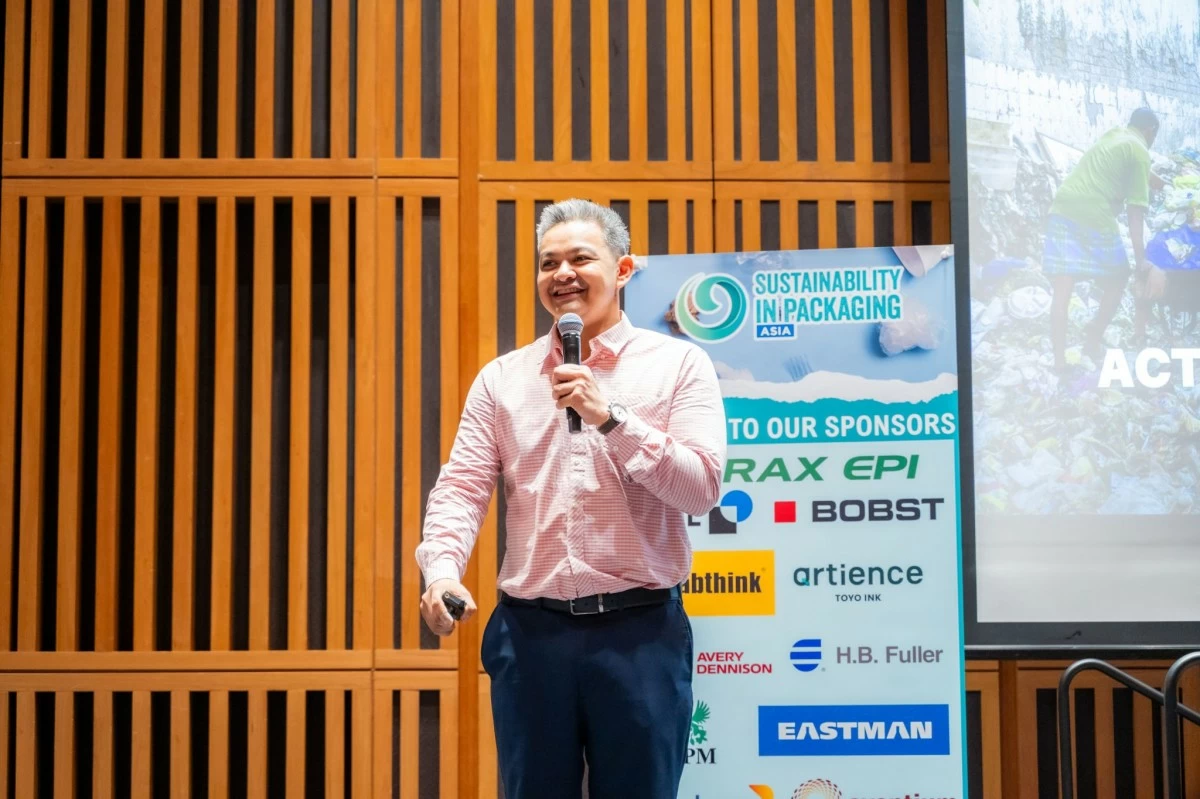
Rudi Ramin of PCX
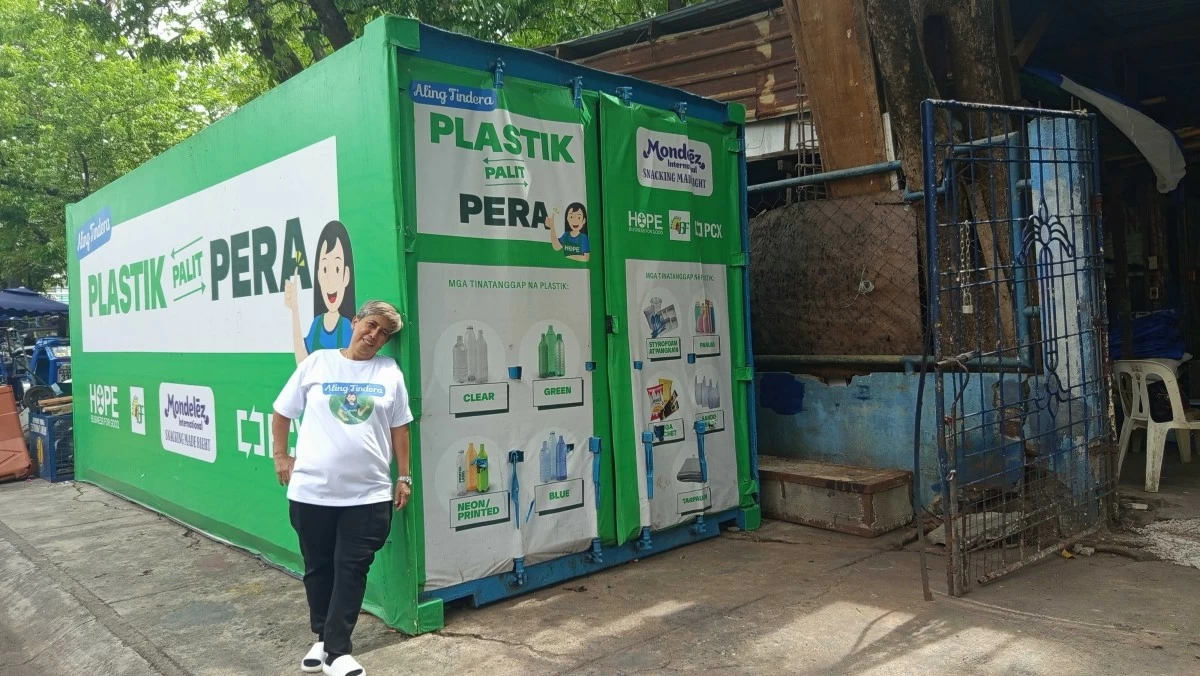
Aling Tindera and the community she serves
One of the standout programs under this mission is the Aling Tindera network, a community-based plastic collection initiative supported by the company in partnership with Friends of Hope and PCX Markets. Friends of Hope is a non-profit organization that invests in education, environment, and agriculture.
“Through this initiative, female microentrepreneurs are upskilled to serve as their respective communities’ sustainability champions—collecting plastic waste while augmenting their income to enable them to provide for their families and inspire sustainable values within their communities,” shares Rudi Ramin, PCX Markets’ Commercial director.
At 57, Jackielyn Mitra, or “Aling Jack,” has taken on a new role that blends her passion for keeping Brgy. BF Homes, Parañaque, clean with her dreams for a brighter future. Formerly a street sweeper, she has long been an advocate for environmental care.
Supported by Mondelēz International, Aling Jack’s plastic collection site launched in November 2024, filling her with hopes for the future. Six months later, as she has taken on the role of BF Homes’ Aling Tindera, Aling Jack has become fondly known in her community.
“Nakilala nila ako kasi tuwing makikita ako kahit saang lugar, tinatawag nila akong ‘Aling Tindera’ eh.” (“They recognize me because each time I’m seen anywhere, they call me ‘Aling Tindera.’”)
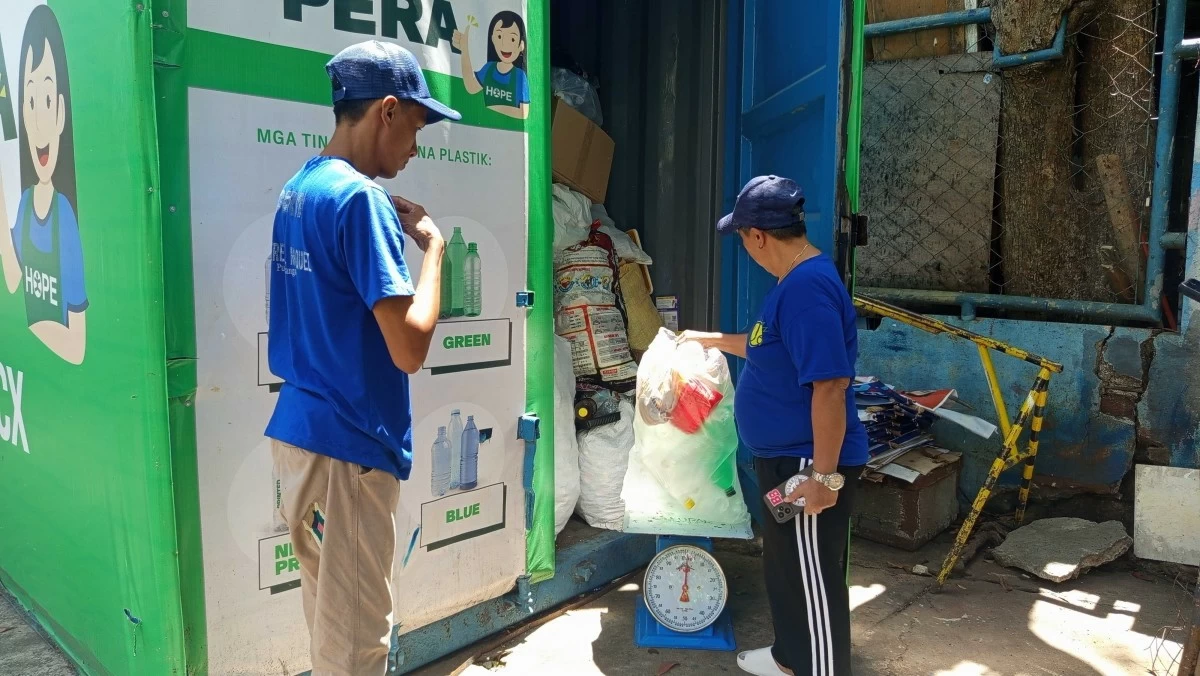
There is never a dull moment as an Aling Tindera, with people from Aling Jack’s community frequently calling on her to donate their plastics. On a normal day, she receives plastic waste from around ten different individuals, each of whom donates around three to five kilograms of plastic to her—sometimes even 10 kilograms.
Truly, the Aling Tindera Program is met with much support from the community of Brgy. BF Homes. Residents regularly drop off their plastics to Aling Jack—some pass by in their car or on foot, and some stop by after church. Street sweepers in her community also collect PET bottles from their shift and bring them to her afterward.
Complementing its community-led efforts is a robust packaging strategy that supports upstream circularity. As of the end of 2024, 96 percent of Mondelēz International’s packaging globally is designed to be recyclable, with packaging innovations in key markets like the UK and Ireland already incorporating up to 80 percent recycled plastic content for Cadbury Dairy Milk chocolate packaging. The company continues to work towards reducing virgin plastic use by five percent by 2025, compared to 2020 levels.
“We believe in walking the talk when it comes to sustainability,” Punzalan said. “Our work in the Philippines together with our partners is proof that bold, data-driven, community-rooted action can create lasting impact. We’re proud to make snacks the right way—with packaging that’s designed for circularity, recovery programs that empower communities, and actions that support a future where businesses grow by doing what’s right for people and the planet.”