






Manila Bulletin
 Philippines
National
DOLE: Luzon sectors support revision of hazardous work guidelines for minors
Philippines
National
DOLE: Luzon sectors support revision of hazardous work guidelines for minors
Philippines
National
DOLE: Luzon sectors support revision of hazardous work guidelines for minors
DOLE: Luzon sectors support revision of hazardous work guidelines for minors
By Trixee Rosel
Published Jun 17, 2025 03:10 pm


At A Glance
- Key industries in Luzon support the revision of hazardous work guidelines for minors.
- DOLE held consultations in Central Luzon, NCR, and CALABARZON from April to May.
- The policy review aligns with EO No. 79 on the institutionalization of the MAKABATA Program.
- Stakeholders called for clearer definitions and stricter enforcement of child labor policies.
- Recommendations will be submitted to the National Tripartite Industrial Peace Council.
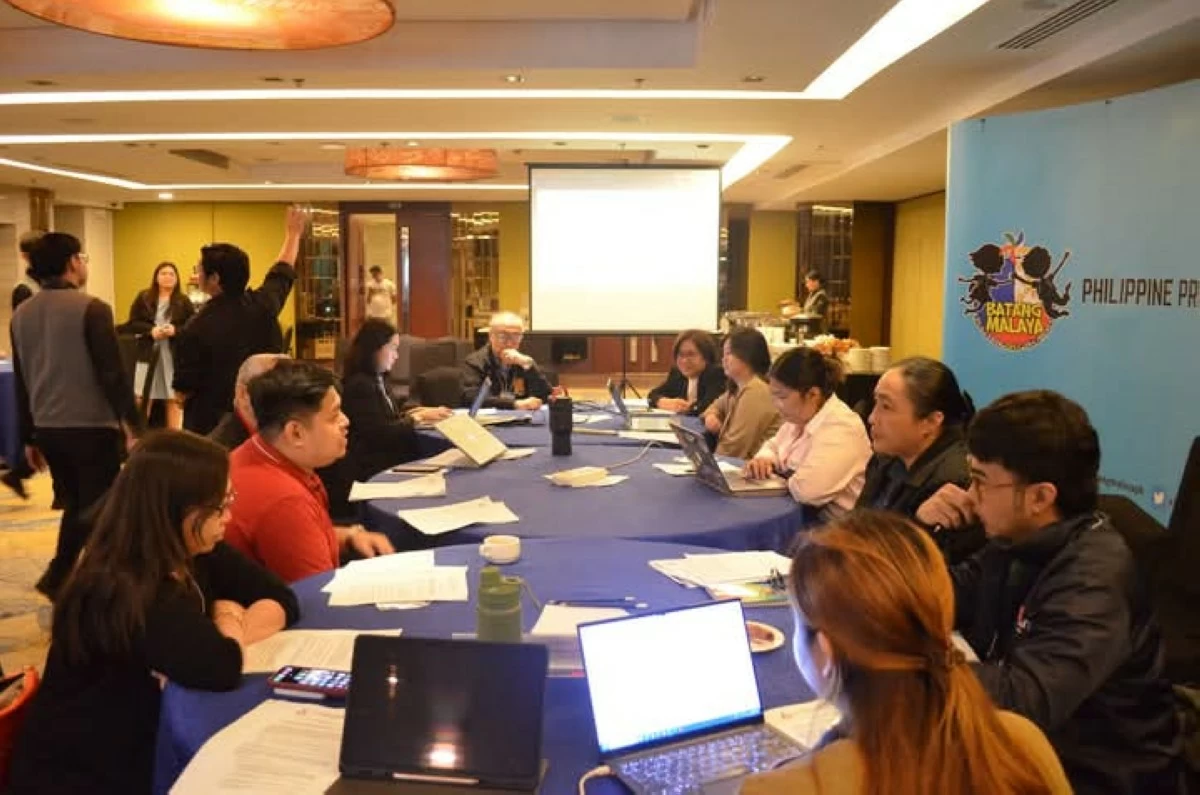
Officials from the Department of Labor and Employment–Bureau of Workers with Special Concerns (DOLE–BWSC) engage stakeholders from the construction, creative, manufacturing, and agriculture sectors during consultations held in Metro Manila and CALABARZON in May 2025. The sessions were part of the national review of Department Order No. 149, which identifies hazardous work prohibited for minors. Also present were representatives from the International Labour Organization, anti-child labor councils, NGOs, and labor and employer groups. (Photo courtesy of DOLE–BWSC)
Key industries in Luzon have expressed strong support for the revision of national guidelines identifying hazardous work prohibited for minors, following consultations initiated by the Department of Labor and Employment (DOLE).
The department, through the Bureau of Workers with Special Concerns (BWSC), held consultations from April to May with stakeholders in the agriculture, construction, manufacturing, and creative sectors.
The dialogues focused on the review of Department Order No. 149, series of 2016, which outlines work activities considered dangerous and therefore banned for individuals below 18 years old.
The review supports Executive Order No. 79 signed by President Ferdinand R. Marcos Jr., which institutionalizes the Mahalin at Kalingain ating mga Bata, or MAKABATA, Program and Helpline 1383 to eliminate child labor and strengthen child protection mechanisms.
During the Batangas leg on May 23, DOLE Undersecretary Benjo Santos M. Benavidez stressed that all proposed amendments must uphold the “best interests of the child,” in line with the administration’s people-centered governance.
Consultations were also conducted in Central Luzon on April 25, in the National Capital Region on May 8 to 9, and in CALABARZON on May 22 to 23, focusing on risks faced by minors in informal and rural work settings.
In Pampanga, agriculture and manufacturing representatives flagged unsafe conditions for young workers and called for stricter enforcement, regular inspections, and sustained community-level interventions.
In Metro Manila, construction and media industry groups recommended clearer definitions of hazardous tasks and policy updates to reflect emerging practices, including digital and remote work.
Dr. Jimmy Dumlao II of the Philippine Pediatric Society emphasized that child safety at work must also protect their emotional and psychosocial development.
Participants in CALABARZON raised concerns over child labor in household-based and farming work, urging a coordinated approach to address poverty-related causes.
Technical experts from the DOLE Occupational Safety and Health Center and the Institute for Labor Studies presented data on occupational risks and recent findings on child labor across sectors.
All recommendations will be submitted to the National Tripartite Industrial Peace Council for consideration in the final review of DO 149.
DOLE said consultations in Western Visayas and SOCCSKSARGEN have also been completed to ensure a comprehensive national approach to the issue.
Stakeholders are encouraged to submit position papers to BWSC to help strengthen the policy and ensure that revisions reflect the realities faced by vulnerable children across regions.