ADVERTISEMENT

This board game equips students with life-saving disaster knowledge

Teaching preparedness through play

Published Jun 16, 2025 07:48 am
Studies have shown that the Philippines is among the most disaster-prone countries in the world. Located along the Pacific Ring of Fire and visited by an average of 20 typhoons each year, the country faces heightened exposure to a range of natural hazards.
Given this vulnerability, educating children on disaster preparedness at an early age is critical. With this in mind, Pilipinas Shell, in partnership with the Asia Society for Social Improvement and Sustainable Transformation (ASSIST), has been working with schools across the country to distribute Master of Disaster (MOD).
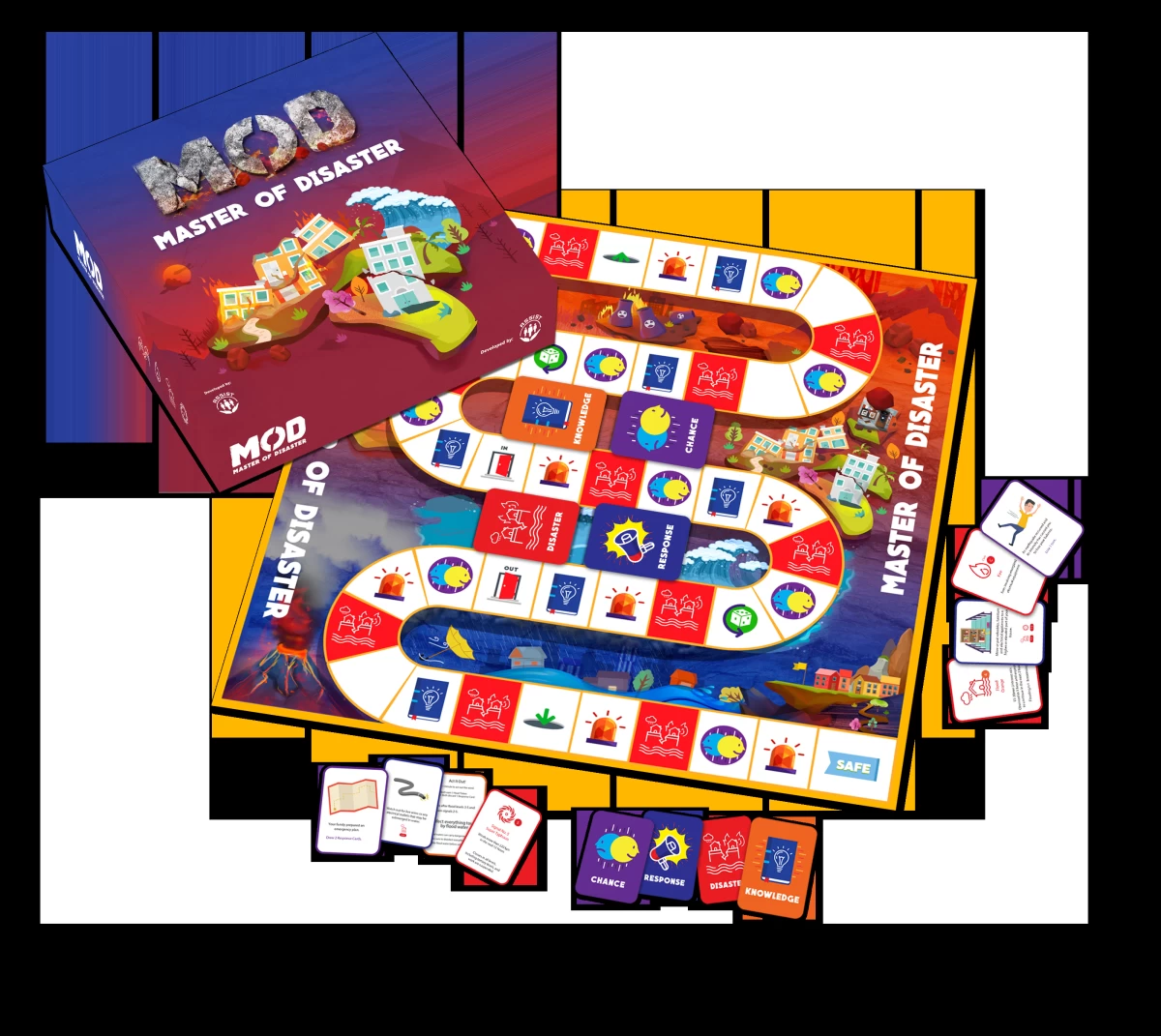
MOD is an innovative board game developed by ASSIST to equip the next generation with essential disaster preparedness knowledge and skills. It also highlights the value of bayanihan—the Filipino spirit of communal unity and cooperation—by encouraging players to work together in simulated emergency scenarios.
The initiative was first rolled out in Batangas City, benefiting 8,100 students and 332 teachers from 16 schools located near the Shell Import Facility Tabangao (SHIFT). These schools, identified in collaboration with the City Disaster Risk Reduction Office and the Department of Education Region IV-A, are within a 10-kilometer radius of the facility and are particularly vulnerable to flooding and landslides. Building on this success, Shell and ASSIST aim to expand the program to 20 more schools in Cagayan de Oro City, reaching more than 6,000 additional students.
“MOD is an inclusive, educational, and fun-filled board game designed to teach children aged nine and above how to prepare for and respond to the most common disasters in the Philippines. Beyond raising awareness on disaster preparedness, the game also promotes teamwork, responsibility, and the importance of helping others during emergencies,” Serge Bernal, Shell Pilipinas vice president for Corporate Relations tells Manila Bulletin Lifestyle. “At present, MOD is only available as a physical board game. An updated version is set to launch this June 2025, which will feature three additional disaster scenarios: pandemics, heatwaves, and landslides. A digital version is also in the pipeline as part of the program’s long-term vision to make disaster preparedness education more accessible to a wider audience.”
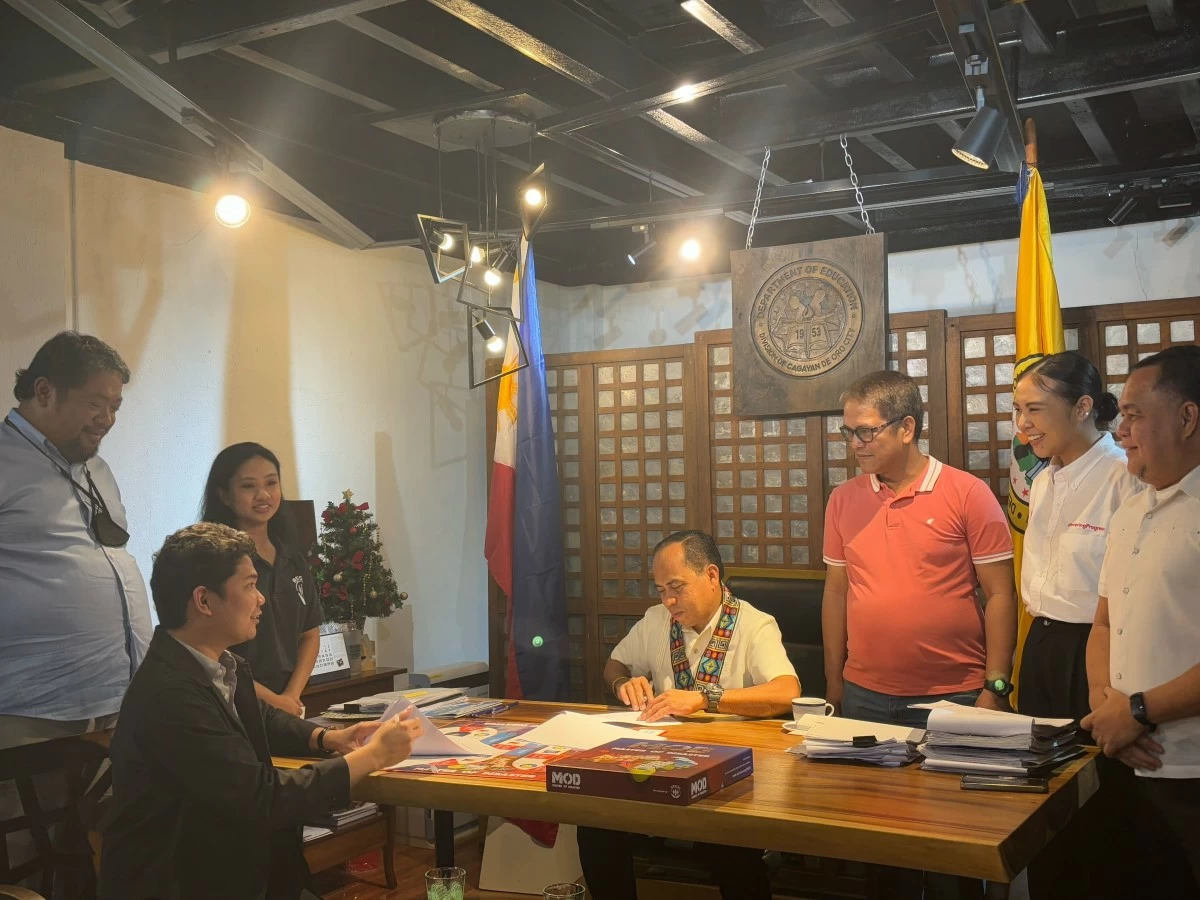
To ensure that partner schools maximize the use of MOD, teachers receive training on how to use the game effectively in the classroom. In addition, Shell and ASSIST provide emergency preparedness resources, including first-aid kits, go-bags, safety vests, wheelchairs, fire extinguishers, and more.
“MOD program is more than just a board game—it’s a comprehensive disaster preparedness initiative. While the game itself is a fun and interactive way to teach disaster response, it is integrated into a broader training framework,” Serge explains. “Before implementation, MOD facilitators undergo a Training of Trainers (ToT) session conducted by ASSIST to ensure they are equipped to guide participants and reinforce key disaster risk reduction (DRR) concepts. This is often preceded by a Focus Group Discussion (FGD) with partner schools to assess their current level of preparedness and tailor support accordingly. In addition to gameplay, the program may be complemented with other DRR capacity-building sessions, such as basic first aid, basic life support, and emergency drills.”
Shell and ASSIST also collaborate with private sector partners, local government units (LGUs), and NGOs in distributing MOD directly to partner schools. The board game is typically placed in school libraries or designated learning resource centers, making it easily accessible to students and teachers alike.
Teachers are encouraged to integrate the game into their lessons—particularly in subjects such as Science, Araling Panlipunan, and Edukasyon sa Pagpapakatao—to enrich classroom instruction and foster greater interest in disaster preparedness. This approach transforms MOD into a hands-on, interactive learning tool that helps students internalize key DRR concepts while promoting teamwork, critical thinking, and practical application.
“Disaster risk reduction is a life skill that every Filipino should have—and the MOD program is designed with that belief at its core. While the program is currently being rolled out in priority schools and communities of SPC, the long-term goal is to make it accessible to more people and the general public,” Serge ends.

Related Tags

Shell Pilipinas MOD
ADVERTISEMENT
.most-popular .layout-ratio{ padding-bottom: 79.13%; } @media (min-width: 768px) and (max-width: 1024px) { .widget-title { font-size: 15px !important; } }

{{ articles_filter_1561_widget.title }}

.most-popular .layout-ratio{ padding-bottom: 79.13%; } @media (min-width: 768px) and (max-width: 1024px) { .widget-title { font-size: 15px !important; } }

{{ articles_filter_1562_widget.title }}

.most-popular .layout-ratio{ padding-bottom: 79.13%; } @media (min-width: 768px) and (max-width: 1024px) { .widget-title { font-size: 15px !important; } }

{{ articles_filter_1563_widget.title }}

{{ articles_filter_1564_widget.title }}

.mb-article-details { position: relative; } .mb-article-details .article-body-preview, .mb-article-details .article-body-summary{ font-size: 17px; line-height: 30px; font-family: "Libre Caslon Text", serif; color: #000; } .mb-article-details .article-body-preview iframe , .mb-article-details .article-body-summary iframe{ width: 100%; margin: auto; } .read-more-background { background: linear-gradient(180deg, color(display-p3 1.000 1.000 1.000 / 0) 13.75%, color(display-p3 1.000 1.000 1.000 / 0.8) 30.79%, color(display-p3 1.000 1.000 1.000) 72.5%); position: absolute; height: 200px; width: 100%; bottom: 0; display: flex; justify-content: center; align-items: center; padding: 0; } .read-more-background a{ color: #000; } .read-more-btn { padding: 17px 45px; font-family: Inter; font-weight: 700; font-size: 18px; line-height: 16px; text-align: center; vertical-align: middle; border: 1px solid black; background-color: white; } .hidden { display: none; }
function initializeAllSwipers() { // Get all hidden inputs with cms_article_id document.querySelectorAll('[id^="cms_article_id_"]').forEach(function (input) { const cmsArticleId = input.value; const articleSelector = '#article-' + cmsArticleId + ' .body_images'; const swiperElement = document.querySelector(articleSelector); if (swiperElement && !swiperElement.classList.contains('swiper-initialized')) { new Swiper(articleSelector, { loop: true, pagination: false, navigation: { nextEl: '#article-' + cmsArticleId + ' .swiper-button-next', prevEl: '#article-' + cmsArticleId + ' .swiper-button-prev', }, }); } }); } setTimeout(initializeAllSwipers, 3000); const intersectionObserver = new IntersectionObserver( (entries) => { entries.forEach((entry) => { if (entry.isIntersecting) { const newUrl = entry.target.getAttribute("data-url"); if (newUrl) { history.pushState(null, null, newUrl); let article = entry.target; // Extract metadata const author = article.querySelector('.author-section').textContent.replace('By', '').trim(); const section = article.querySelector('.section-info ').textContent.replace(' ', ' '); const title = article.querySelector('.article-title h1').textContent; // Parse URL for Chartbeat path format const parsedUrl = new URL(newUrl, window.location.origin); const cleanUrl = parsedUrl.host + parsedUrl.pathname; // Update Chartbeat configuration if (typeof window._sf_async_config !== 'undefined') { window._sf_async_config.path = cleanUrl; window._sf_async_config.sections = section; window._sf_async_config.authors = author; } // Track virtual page view with Chartbeat if (typeof pSUPERFLY !== 'undefined' && typeof pSUPERFLY.virtualPage === 'function') { try { pSUPERFLY.virtualPage({ path: cleanUrl, title: title, sections: section, authors: author }); } catch (error) { console.error('ping error', error); } } // Optional: Update document title if (title && title !== document.title) { document.title = title; } } } }); }, { threshold: 0.1 } ); function showArticleBody(button) { const article = button.closest("article"); const summary = article.querySelector(".article-body-summary"); const body = article.querySelector(".article-body-preview"); const readMoreSection = article.querySelector(".read-more-background"); // Hide summary and read-more section summary.style.display = "none"; readMoreSection.style.display = "none"; // Show the full article body body.classList.remove("hidden"); } document.addEventListener("DOMContentLoaded", () => { let loadCount = 0; // Track how many times articles are loaded const offset = [1, 2, 3, 4, 5, 6, 7, 8, 9, 10]; // Offset values const currentUrl = window.location.pathname.substring(1); let isLoading = false; // Prevent multiple calls if (!currentUrl) { console.log("Current URL is invalid."); return; } const sentinel = document.getElementById("load-more-sentinel"); if (!sentinel) { console.log("Sentinel element not found."); return; } function isSentinelVisible() { const rect = sentinel.getBoundingClientRect(); return ( rect.top < window.innerHeight && rect.bottom >= 0 ); } function onScroll() { if (isLoading) return; if (isSentinelVisible()) { if (loadCount >= offset.length) { console.log("Maximum load attempts reached."); window.removeEventListener("scroll", onScroll); return; } isLoading = true; const currentOffset = offset[loadCount]; window.loadMoreItems().then(() => { let article = document.querySelector('#widget_1690 > div:nth-last-of-type(2) article'); intersectionObserver.observe(article) loadCount++; }).catch(error => { console.error("Error loading more items:", error); }).finally(() => { isLoading = false; }); } } window.addEventListener("scroll", onScroll); });

Sign up by email to receive news.