

ADVERTISEMENT

How deposit insurance can be a lifeline during unforeseen circumstances

Protecting every saver

Published Jun 16, 2025 08:43 am  |  Updated Jun 16, 2025 03:21 pm

At A Glance

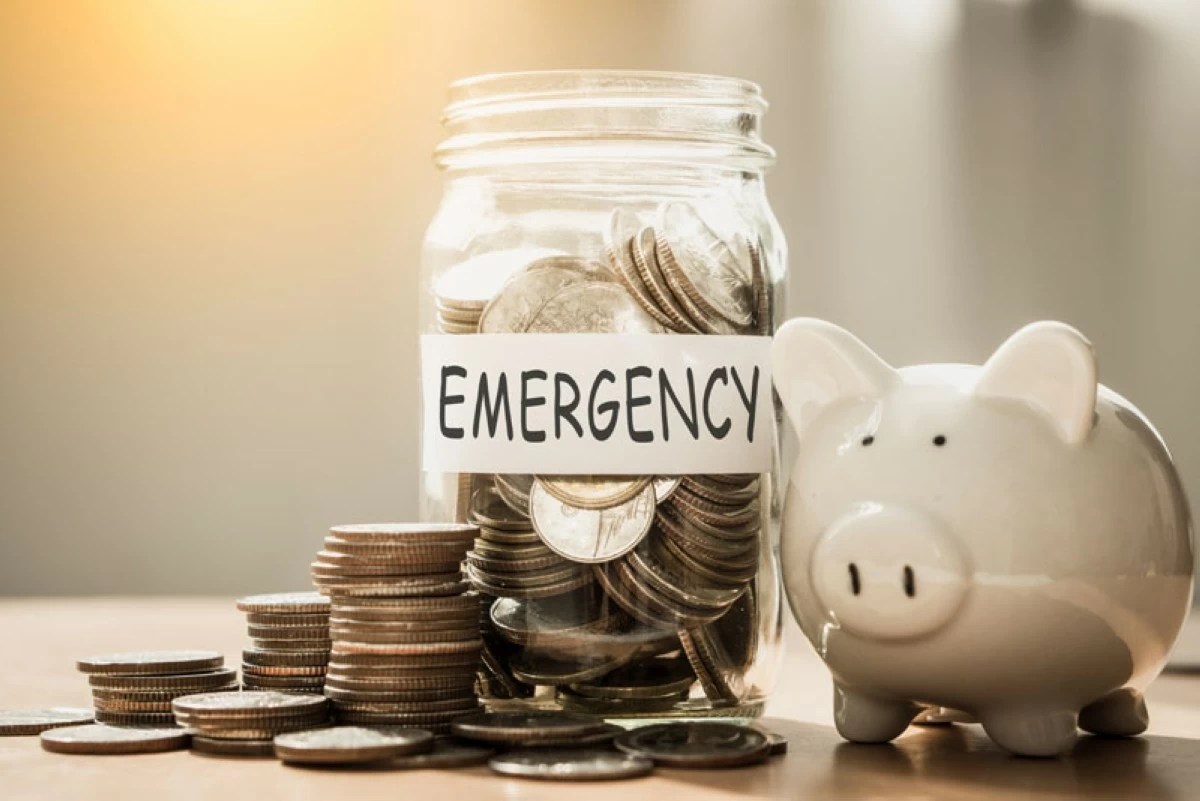
  • Emergency situations such as natural calamities and virus outbreaks strike without warning. Having a savings account—or better yet an emergency fund, can spell the difference between feeling helpless and having peace of mind.
Waking up to a home flooded up to hip level or reporting for work only to find out you have been let go by the company are scenarios one would wish were just a bad dream. For Karla and Paulo, however, this was their reality when Typhoon Ondoy and the global pandemic happened, respectively. Faced with the sudden dilemma, they found themselves asking: How do I begin again?
Emergency situations such as natural calamities and virus outbreaks strike without warning. Having a savings account—or better yet an emergency fund, can spell the difference between feeling helpless and having peace of mind.
Karla and her family lost almost all of their belongings, but thankfully the money she tucked in the bank was left unharmed. “Buti na lang may savings ako. Maliit man o malaki na sakuna, importante na ready ka, na may savings ka sa bangko para may mahuhugot ka. Hindi mo need maghintay ng tulong sa iba dahil kaya mong tulungan ang sarili mo at ang pamilya mo. (It was a good thing I had my savings in a bank. Whether it is a small or big calamity, it is important that you are ready, that you have savings in the bank that you can use. That way, you won’t need to wait on others for help because you are capable of helping yourself and your family)”, Karla recalled with a sense of relief.
This sense of security in the banking system is exactly what the Philippine Deposit Insurance Corporation (PDIC) aims when fulfilling its twin public policy objectives of protecting depositors and promoting financial stability. As the state deposit insurer, the PDIC provides a financial safety net through deposit insurance to depositors of banks up to the maximum coverage amount set by law.
In Paulo’s case, his unforeseen emergency was brought about by COVID-19. The pandemic not only taught him that nothing is permanent but also stressed the importance of saving money in banks. As the family’s breadwinner, he immediately needed to find another way to earn a living after being laid off. That was when he tried delivery work.
Dati wala akong effort para mag-ipon sa bangko. Lahat ng sinasahod ko napupunta agad sa mga bilihin at mga babayarin. Nung nawalan ako bigla ng trabaho, dun ko na realize na ang hirap pala pag wala kang naitabi. Kaya ngayon, kahit pa ₱10 o ₱20 lang na extra, kapag pinagsama-sama malaking dagdag na rin para sa emergency fund. (I used to not make an effort to save in banks. What I earn went straight to buying the necessities and paying the bills. When I suddenly lost my job, that was the only time I realized just how hard it is when you have nothing saved. So now, I save even if it is just an extra ₱10 or ₱20 to add to the emergency fund),” he said.
According to a report by the Bangko Sentral ng Pilipinas (BSP), as of September 2024, more than 450 cities and municipalities in the country remain unbanked. This means that many Filipinos may still be unaware of the benefits of saving in banks and having their hard-earned money protected by the PDIC.
To sustain the protection the PDIC provides to depositors, it continuously strengthens the Deposit Insurance Fund (DIF), the funding source of deposit insurance built primarily through the collection of semi-annual assessments from banks.
Starting March 15, 2025, the DIF guarantees that deposits up to the maximum deposit insurance coverage (MDIC) of ₱1 million per depositor per bank are protected. This is double the previous MDIC of ₱500,000, which was last adjusted in 2009.
This increase in the MDIC not only demonstrates the stability of the DIF but also ensures more deposit accounts are insured, thus reinforcing public trust and confidence in the banking system. Hopefully, more individuals, like Karla and Paulo, can confidently choose to save in banks, knowing that the PDIC is their ally in safeguarding their savings and the welfare of their family during challenging times.

Related Tags

Philippine Deposit Insurance Corp. (PDIC)
ADVERTISEMENT
.most-popular .layout-ratio{ padding-bottom: 79.13%; } @media (min-width: 768px) and (max-width: 1024px) { .widget-title { font-size: 15px !important; } }

{{ articles_filter_1561_widget.title }}

.most-popular .layout-ratio{ padding-bottom: 79.13%; } @media (min-width: 768px) and (max-width: 1024px) { .widget-title { font-size: 15px !important; } }

{{ articles_filter_1562_widget.title }}

.most-popular .layout-ratio{ padding-bottom: 79.13%; } @media (min-width: 768px) and (max-width: 1024px) { .widget-title { font-size: 15px !important; } }

{{ articles_filter_1563_widget.title }}

{{ articles_filter_1564_widget.title }}

.mb-article-details { position: relative; } .mb-article-details .article-body-preview, .mb-article-details .article-body-summary{ font-size: 17px; line-height: 30px; font-family: "Libre Caslon Text", serif; color: #000; } .mb-article-details .article-body-preview iframe , .mb-article-details .article-body-summary iframe{ width: 100%; margin: auto; } .read-more-background { background: linear-gradient(180deg, color(display-p3 1.000 1.000 1.000 / 0) 13.75%, color(display-p3 1.000 1.000 1.000 / 0.8) 30.79%, color(display-p3 1.000 1.000 1.000) 72.5%); position: absolute; height: 200px; width: 100%; bottom: 0; display: flex; justify-content: center; align-items: center; padding: 0; } .read-more-background a{ color: #000; } .read-more-btn { padding: 17px 45px; font-family: Inter; font-weight: 700; font-size: 18px; line-height: 16px; text-align: center; vertical-align: middle; border: 1px solid black; background-color: white; } .hidden { display: none; }
function initializeAllSwipers() { // Get all hidden inputs with cms_article_id document.querySelectorAll('[id^="cms_article_id_"]').forEach(function (input) { const cmsArticleId = input.value; const articleSelector = '#article-' + cmsArticleId + ' .body_images'; const swiperElement = document.querySelector(articleSelector); if (swiperElement && !swiperElement.classList.contains('swiper-initialized')) { new Swiper(articleSelector, { loop: true, pagination: false, navigation: { nextEl: '#article-' + cmsArticleId + ' .swiper-button-next', prevEl: '#article-' + cmsArticleId + ' .swiper-button-prev', }, }); } }); } setTimeout(initializeAllSwipers, 3000); const intersectionObserver = new IntersectionObserver( (entries) => { entries.forEach((entry) => { if (entry.isIntersecting) { const newUrl = entry.target.getAttribute("data-url"); if (newUrl) { history.pushState(null, null, newUrl); let article = entry.target; // Extract metadata const author = article.querySelector('.author-section').textContent.replace('By', '').trim(); const section = article.querySelector('.section-info ').textContent.replace(' ', ' '); const title = article.querySelector('.article-title h1').textContent; // Parse URL for Chartbeat path format const parsedUrl = new URL(newUrl, window.location.origin); const cleanUrl = parsedUrl.host + parsedUrl.pathname; // Update Chartbeat configuration if (typeof window._sf_async_config !== 'undefined') { window._sf_async_config.path = cleanUrl; window._sf_async_config.sections = section; window._sf_async_config.authors = author; } // Track virtual page view with Chartbeat if (typeof pSUPERFLY !== 'undefined' && typeof pSUPERFLY.virtualPage === 'function') { try { pSUPERFLY.virtualPage({ path: cleanUrl, title: title, sections: section, authors: author }); } catch (error) { console.error('ping error', error); } } // Optional: Update document title if (title && title !== document.title) { document.title = title; } } } }); }, { threshold: 0.1 } ); function showArticleBody(button) { const article = button.closest("article"); const summary = article.querySelector(".article-body-summary"); const body = article.querySelector(".article-body-preview"); const readMoreSection = article.querySelector(".read-more-background"); // Hide summary and read-more section summary.style.display = "none"; readMoreSection.style.display = "none"; // Show the full article body body.classList.remove("hidden"); } document.addEventListener("DOMContentLoaded", () => { let loadCount = 0; // Track how many times articles are loaded const offset = [1, 2, 3, 4, 5, 6, 7, 8, 9, 10]; // Offset values const currentUrl = window.location.pathname.substring(1); let isLoading = false; // Prevent multiple calls if (!currentUrl) { console.log("Current URL is invalid."); return; } const sentinel = document.getElementById("load-more-sentinel"); if (!sentinel) { console.log("Sentinel element not found."); return; } function isSentinelVisible() { const rect = sentinel.getBoundingClientRect(); return ( rect.top < window.innerHeight && rect.bottom >= 0 ); } function onScroll() { if (isLoading) return; if (isSentinelVisible()) { if (loadCount >= offset.length) { console.log("Maximum load attempts reached."); window.removeEventListener("scroll", onScroll); return; } isLoading = true; const currentOffset = offset[loadCount]; window.loadMoreItems().then(() => { let article = document.querySelector('#widget_1690 > div:nth-last-of-type(2) article'); intersectionObserver.observe(article) loadCount++; }).catch(error => { console.error("Error loading more items:", error); }).finally(() => { isLoading = false; }); } } window.addEventListener("scroll", onScroll); });

Sign up by email to receive news.