







DOTr seeks ₱3 billion for new LRT-1 station in Bacoor
Published Jun 16, 2025 11:42 pm


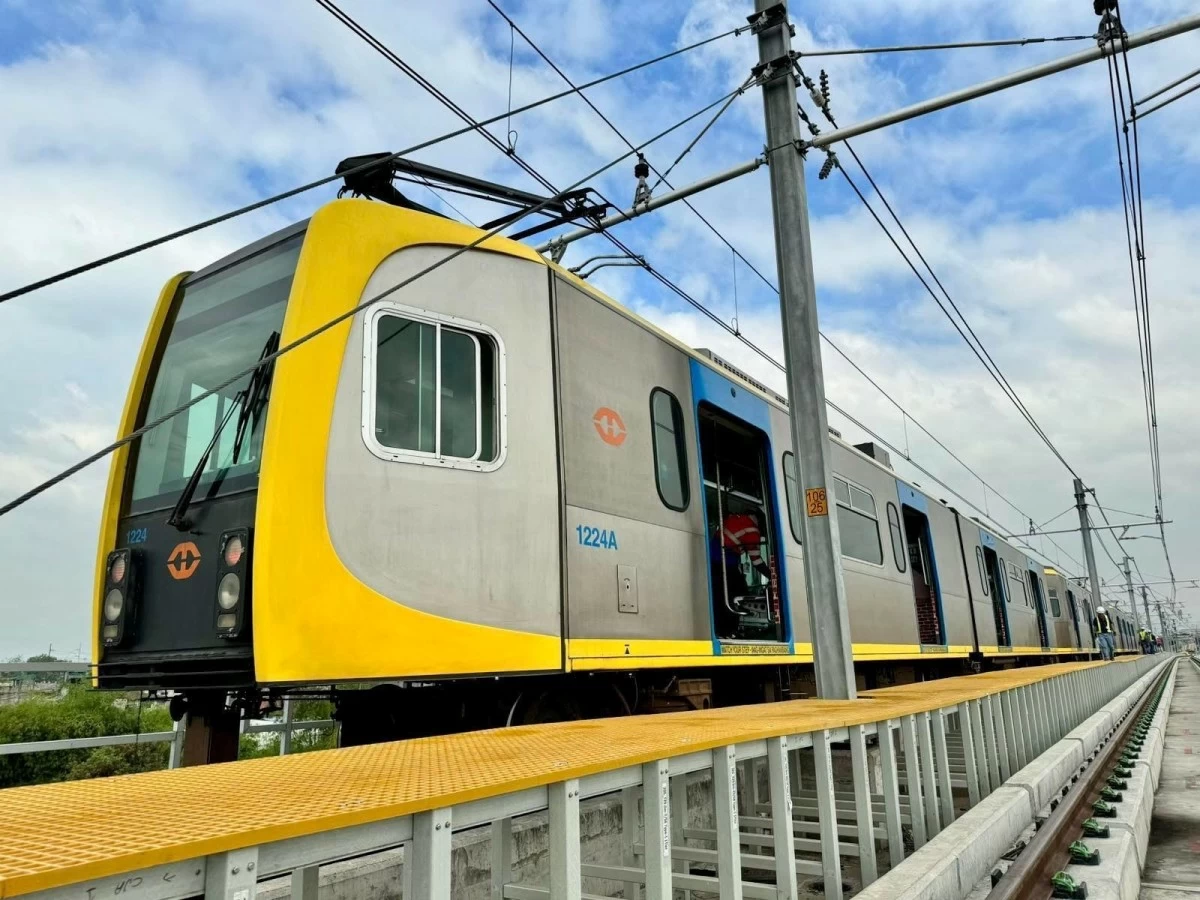
The Department of Transportation (DOTr) is looking for an additional ₱3 billion in its budget next year to build an additional station in Bacoor, Cavite as part of the Cavite Extension project of the Light Rail Transit Line 1 (LRT-1).
Transportation Secretary Vince Dizon said his agency has requested additional funding support from the government to build Talaba station, which will be situated between the future stations of Zapote and Niog.
The new station, which will be developed within the proposed line alignment of the extension project, was personally requested by the local government of Bacoor.
“This was a request by Bacoor, and it makes sense because Talaba station is in the area where there are new developments in Bacoor City,” said Dizon in a chance interview.
Last year, phase 1 of the LRT-1 Cavite Extension project was formally opened to the public, opening five additional stations to the 20.7-kilometer rail line.
Phase 2 of the extension will include the Las Piñas and Zapote stations, with the project culminating in Phase 3 to build the Niog station in Bacoor.
With the three additional stations already being developed by Light Rail Manila Corp. (LRMC), the DOTr will shoulder the funding for the construction of Talaba station.
Dizon said LRMC, the private operator of LRT-1, already gave the agency its thumbs up for the new station.
“The government will pay for the station, and of course, we will pass it to LRMC for them to run it,” he said, noting that the construction will be up for bidding.
Since the new station will be within the same alignment of the extension, harmonization of the project is anticipated to be seamless.
Dizon has expressed his confidence that Phase 2 of the project will be operational in 2028.
Phase 3, which will now cover two stations, is expected to be completed by 2030.
So far, the DOTr has yet to estimate the potential ridership at the future Talaba station.
However, Dizon said it will likely have a huge ridership given potential developments in Bacoor.
Excluding Talaba station, the original eight stations under the extension project could accommodate an additional 300,000 passengers daily.
Last year, LRT-1’s ridership averaged around 320,000 daily passengers.