






Manila Bulletin
 Philippines
National
DepEd: SY 2025–2026 school opening 'mostly smooth' despite issues; teachers push for urgent reforms
Philippines
National
DepEd: SY 2025–2026 school opening 'mostly smooth' despite issues; teachers push for urgent reforms
Philippines
National
DepEd: SY 2025–2026 school opening 'mostly smooth' despite issues; teachers push for urgent reforms
DepEd: SY 2025–2026 school opening 'mostly smooth' despite issues; teachers push for urgent reforms
Published Jun 16, 2025 03:17 pm


At A Glance
- Despite isolated incidents, DepEd Secretary Sonny Angara reported a "generally smooth opening" of School Year (SY) 2025–2026, crediting improved coordination, active hotlines, and rapid response mechanisms.
- Ahead of the school opening, the DepEd said it had implemented reforms such as summer reading programs, streamlined enrollment processes, digital tools, and plans to hire 10,000 administrative staff. Infrastructure improvements and the fast-tracked pilot of the revised Senior High School curriculum were also highlighted.
- Despite the positive assessment from DepEd, groups like the Teachers' Dignity Coalition (TDC) and the Alliance of Concerned Teachers (ACT) criticized the government for failing to address long-standing issues such as classroom shortages, inadequate facilities, and low teacher pay. They called for substantial reforms and a doubling of the education budget.
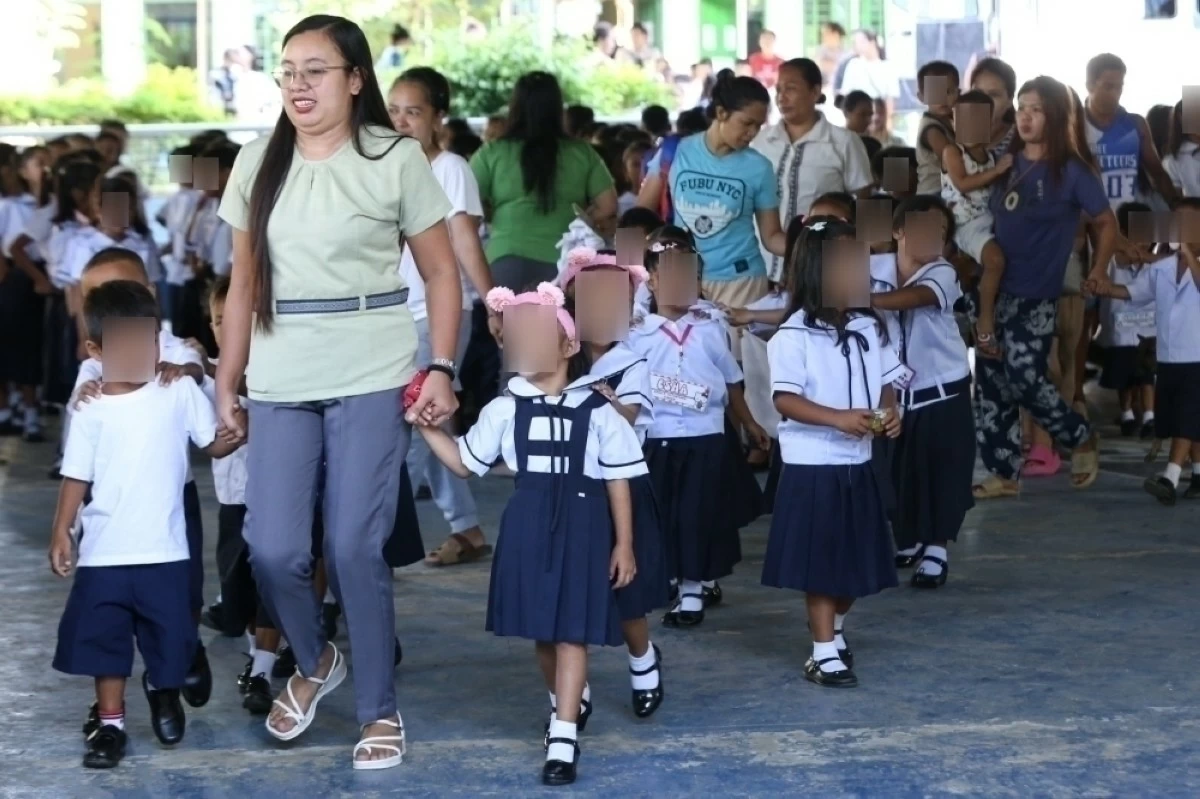
Pupils of Daraetan Elementary School in Daraitan, Rizal gathered on June 16, 2025, for the traditional flag ceremony to mark the opening of the new school year. (Santi San Juan / Manila Bulletin)
The opening of School Year (SY) 2025–2026 on Monday, June 16, unfolded mostly without major hitches across the country, according to Department of Education (DepEd) Secretary Sonny Angara, who credited improved coordination and prompt responses to local issues.
However, teachers’ groups—while acknowledging the smooth start—sounded the alarm on persistent education woes that continue to undermine learning nationwide.
Angara: Coordination, response mechanisms proved effective
Speaking during a visit to Epifanio Delos Santos Elementary School (EDSES) in Malate, Manila, Angara emphasized that DepEd had hotlines and local command centers fully operational to address reports in real time.
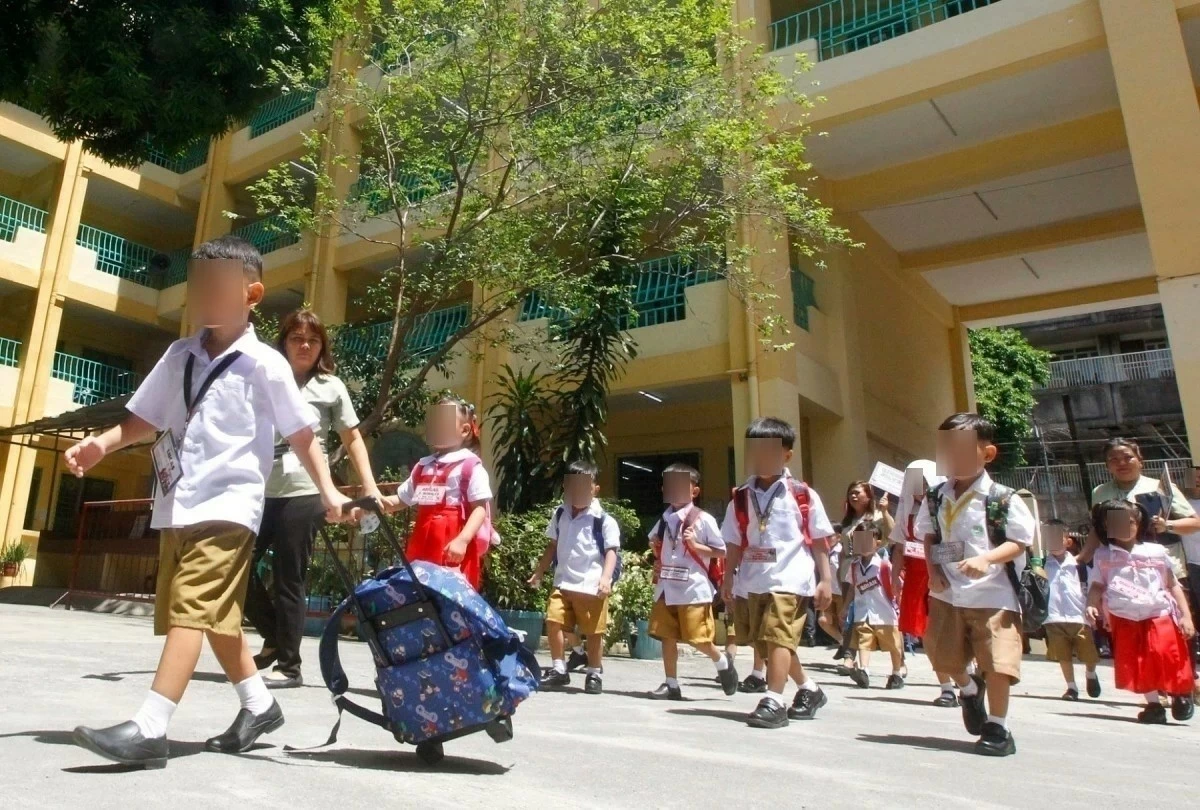
Pupils of Epifanio Delos Santos Elementary School in Malate, Manila during the first day of classes on June 16, 2025. (Mark Balmores / Manila Bulletin)
“Okay naman (It's going well),” Angara said when asked to assess this year’s school opening. “May mga hotlines tayo kung may mga reklamo, at in touch tayo sa divisions na nagre-report agad kung may problema (We have hotlines for complaints, and we're in touch with divisions that report issues immediately),” he added.
Among the few serious incidents reported was a fire at San Francisco High School in Quezon City, which damaged 22 rooms, eight of which were being used as classrooms. Angara said DepEd has already secured additional furniture to assist the affected students.
He noted that hundreds of armchairs and tables are needed following the fire and that DepEd has begun sourcing the necessary furniture. “Baka by this week, makakapagbigay na kami ng replacement (Hopefully, within the week, we can provide replacement already),” he said.
Presidential support, key reforms boost morale
Meanwhile, Angara praised President Marcos for his active role in the school opening, calling it a “morale booster” for DepEd officials, teachers, and school heads.
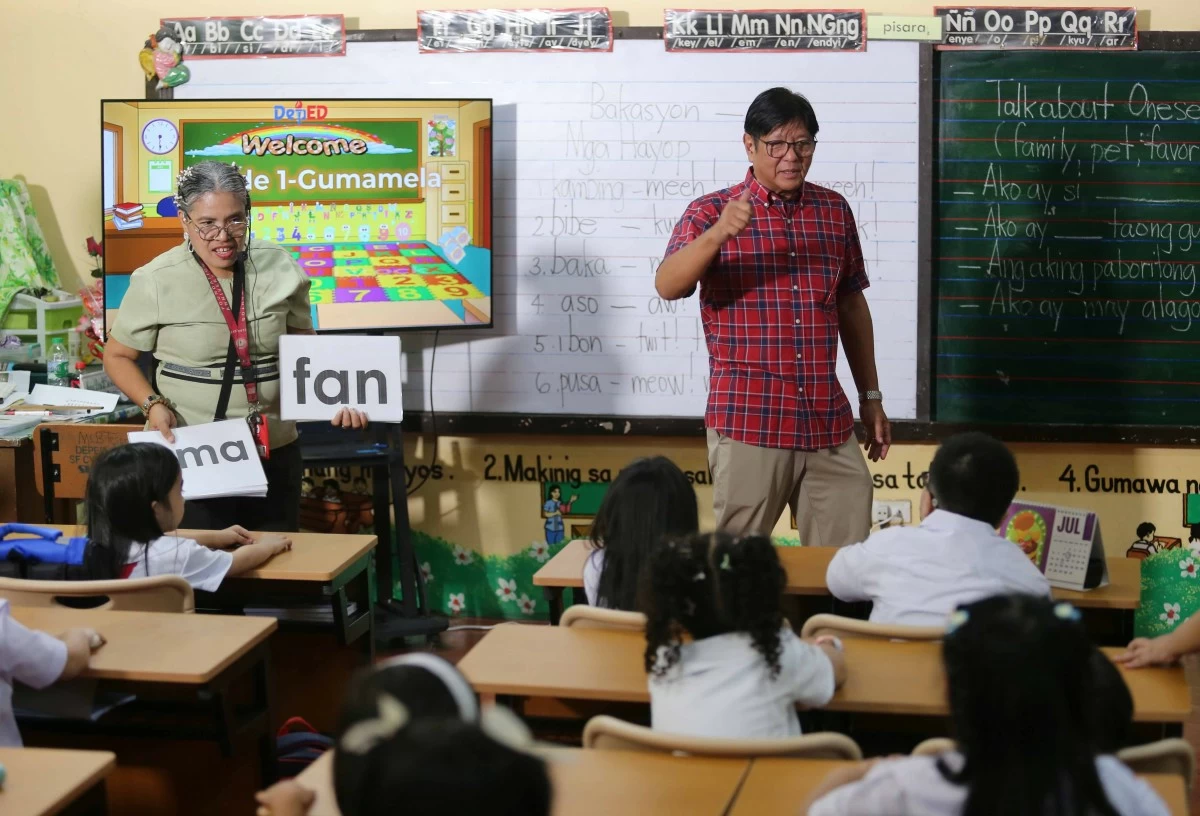
President Ferdinand R. Marcos Jr. visited and interacted with Grade 1 students at Epifanio Delos Santos Elementary School in Malate, Manila, on the first day of classes for the 2025–2026 school year, June 16, 2025. (Mark Balmores / Manila Bulletin)
“Malaking bagay ito sa akin, sa mga guro, principal, at school officials (This is significant for me, for teachers, principals, and school officials),” Angara said, referring to the President’s involvement and virtual interaction with school heads nationwide.
The President, along with Angara, led the official school year opening at EDSES in Manila, where he reiterated the whole-of-government approach to supporting students and schools.
Reforms, readiness programs in place
As part of its preparations for the new school year, Angara said DepEd implemented key reforms including a streamlined enrollment process, deployment of digital tools, and enhanced support for both learners and educators.
He added that summer reading programs were launched to bridge foundational gaps, particularly in early-grade literacy.
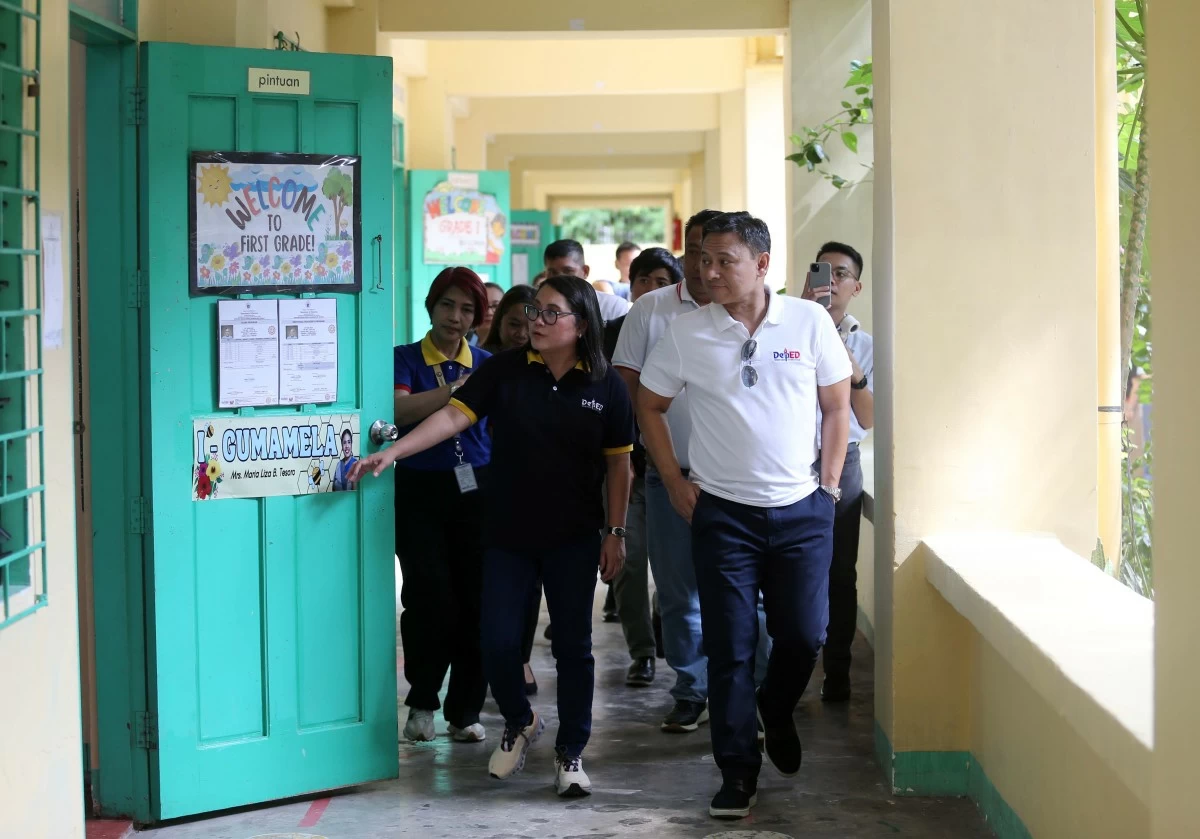
Department of Education (DepEd) Secretary Sonny Angara accompanied President Marcos during his school opening visit to Epifanio Delos Santos Elementary School in Malate, Manila. (Mark Balmores / Manila Bulletin)
“We focused on mastering the basics—especially reading for Key Stage 1, Kindergarten to Grade 3,” said Angara in a mix of English and Filipino. Learners in Grades 4 to 6, who bore the brunt of pandemic learning disruptions, are also being prioritized, he added.
As directed by President Marcos, Angara said DepEd is also hiring 10,000 administrative officers this year—aiming for one non-teaching staff member in each of the 40,000 public schools to allow teachers to focus on instruction.
Infrastructure, SHS curriculum, and innovations
To address classroom shortages, Angara said DepEd is exploring “creative ways” such as voucher systems to allow student transfers to private schools and expanding the Education Service Contracting (ESC) program in densely populated areas.
For flood-prone schools, Angara said a new infrastructure design will be used. To address the shortage of school furniture, he noted that new armchairs and tables have been procured, with deliveries expected soon.
Angara also reported that DepEd has fast-tracked the pilot implementation of the revised Senior High School (SHS) curriculum. Around 900 schools are participating—well ahead of the initial 2026 target.
Teachers’ groups welcome smooth opening but demand reforms
Despite the generally positive feedback from DepEd, teachers’ groups underscored the recurring systemic issues that remain unaddressed.
The Teachers’ Dignity Coalition (TDC) commended the commitment of public school teachers but warned against allowing a “smooth opening” narrative to obscure deep-rooted problems.
“The successful school opening must not mask the persistent and deeply rooted problems that continue to plague our public education system,” TDC said in a statement.
Citing reports from the ground, TDC noted that this year’s opening is “marred by the same unresolved issues” such as shortages in classrooms, learning materials aligned with the new curriculum, functional toilets, clean water, and adequate school furniture.
“These are not new, and yet, year after year, we face the same scenario,” TDC said.
The group reiterated its demands for increased teacher salaries, full implementation of the Magna Carta for Public School Teachers, and urgent infrastructure development to address overcrowding and poor working conditions.
Systemic neglect still burdens teachers and learners
Meanwhile, the Alliance of Concerned Teachers (ACT) NCR Union staged a sunrise protest, criticizing the Marcos administration for its failure to address long-standing gaps in public education.
Demonstrators set up makeshift classrooms and cleaning stations to dramatize the lack of basic facilities.
“Nakakahiya na sa opening pa lang ng klase, hindi na kayang mag-full face-to-face ang ilang paaralan dito sa Metro Manila dahil sa congestion (It’s embarrassing that, even at the start of the school year, some schools in Metro Manila are already unable to conduct full face-to-face classes due to congestion),” said ACT-NCR Union President Ruby Bernardo.
ACT-NCR reported that some schools were forced to implement blended learning due to severe overcrowding.
They also decried alleged DepEd efforts to prevent teachers from speaking openly to the media, calling it a suppression of public accountability.
The group renewed its call for the hiring of 30,000 new teachers annually, the construction of 50,000 classrooms each year, and a doubling of the education budget in line with constitutional mandates.
Call for lasting reforms
As DepEd welcomed the “mostly smooth” return of over 27 million students to classrooms in public and private schools nationwide, both Angara and education advocates agreed that while progress has been made, much more remains to be done—especially in tackling the learning crisis in the country.
“It has reached crisis levels but is manageable, and I think we have some solutions in place,” Angara said, assuring the public that DepEd will continue to listen, adapt, and improve.
Teachers’ groups, on the other hand, urged the Marcos administration and DepEd to match this momentum with decisive, inclusive, and well-funded reforms that prioritize the welfare of both teachers and learners—not just at the start of the school year, but every single day.