ADVERTISEMENT

BPI SINAG bonds: Investing in a better future, one sustainable step at a time

Published Jun 16, 2025 12:05 am  |  Updated Jun 15, 2025 04:55 pm
SPEAKING OUT
Finance isn’t just about profit anymore—it’s about purpose. With the launch of BPI SINAG Bonds, Bank of the Philippine Islands (BPI) is making waves in the Philippine financial scene, proving that investing can be both profitable and impactful.
What’s the deal?
The ₱40-billion SINAG Bonds—BPI’s largest-ever peso bond issuance—aren’t just another investment opportunity. They’re a game-changer for the Philippine capital market. This bold move brings in more investors, boosts market liquidity, and promotes sustainability-driven investments—because future-forward finance is the way to go.
Why does it matter?
Here’s the thing: BPI structured SINAG Bonds using the ASEAN Sustainability Bond Standards is putting the Philippines on the global ESG (Environmental, Social, and Governance) map. This isn’t just about money—it’s about mobilizing resources for long-term economic resilience and proving that Filipino capital markets can lead the charge in responsible finance.
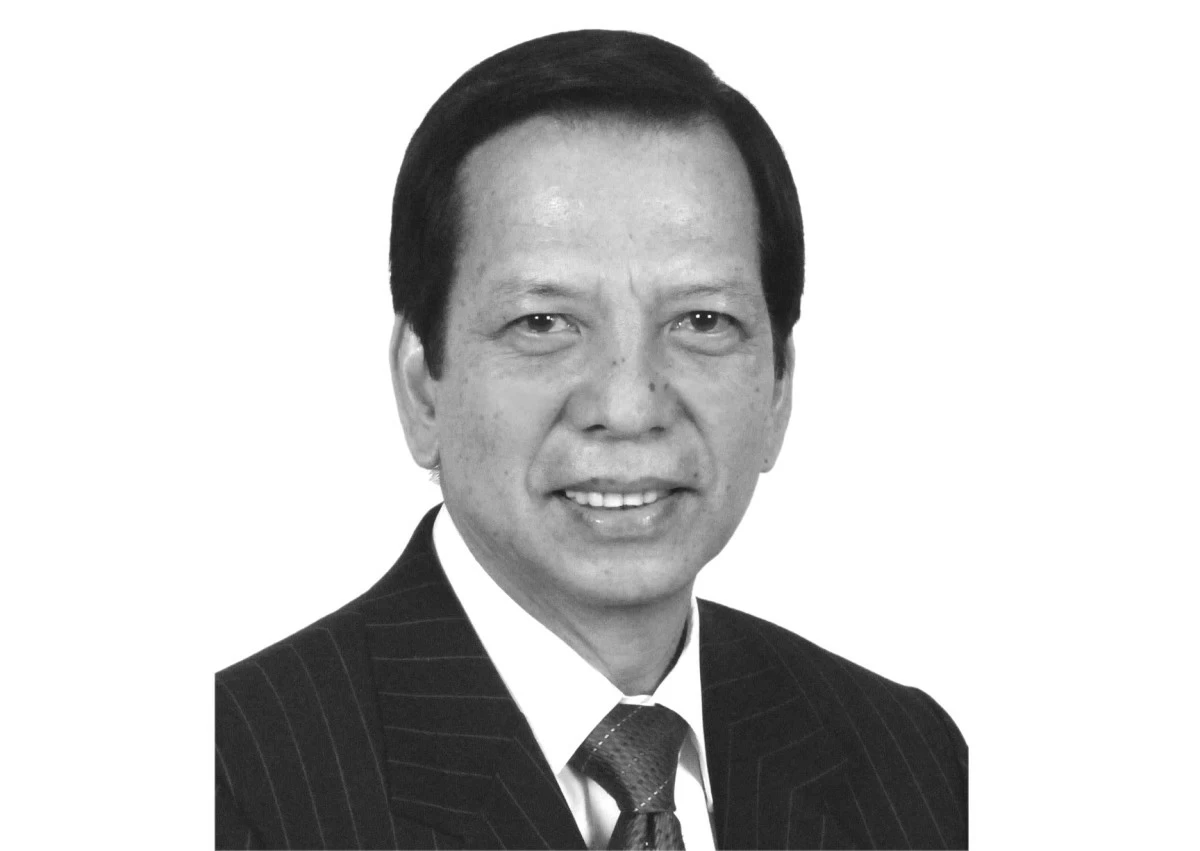
“This isn’t just a financial milestone. It’s proof that institutional, high-net-worth, and everyday investors believe banking can fuel positive change,” says Dino Gasmen, BPI’s treasurer and head of global markets.
Investing with impact
Let’s talk numbers: SINAG Bonds have a 1.5-year tenor and a 5.85 percent annual interest rate—which means competitive returns. But it’s about more than the money. The funds support real-world initiatives, from renewable energy and clean water projects to eco-friendly buildings and affordable housing.
The Securities and Exchange Commission (SEC) backs these bonds under the ASEAN Sustainability Bond label, ensuring that every peso goes toward a greener, fairer future. Investors aren’t just making gains—they’re driving meaningful change.
Who’s behind the success?
BPI Capital Corporation and Standard Chartered Bank—two powerhouses in finance—helped make this happen. As joint lead arrangers and selling agents, they structured, marketed, and secured strong investor participation, boosting confidence in the Philippine bond market.
The bigger picture
This isn’t just a cool ESG initiative—it’s a milestone for sustainable finance. The SINAG Bonds set the tone for future responsible investments, urging businesses to align profit with purpose.
BPI’s leadership in sustainability-driven finance isn’t just inspiring—it’s shaping the future. With support from investors, regulators, and financial leaders, the Philippines is gearing up for inclusive economic growth and environmental resilience.
The takeaway? Smart investing means choosing financial products that build a better world. SINAG Bonds prove you can do both. ([email protected])
ADVERTISEMENT
.most-popular .layout-ratio{ padding-bottom: 79.13%; } @media (min-width: 768px) and (max-width: 1024px) { .widget-title { font-size: 15px !important; } }

{{ articles_filter_1561_widget.title }}

.most-popular .layout-ratio{ padding-bottom: 79.13%; } @media (min-width: 768px) and (max-width: 1024px) { .widget-title { font-size: 15px !important; } }

{{ articles_filter_1562_widget.title }}

.most-popular .layout-ratio{ padding-bottom: 79.13%; } @media (min-width: 768px) and (max-width: 1024px) { .widget-title { font-size: 15px !important; } }

{{ articles_filter_1563_widget.title }}

{{ articles_filter_1564_widget.title }}

.mb-article-details { position: relative; } .mb-article-details .article-body-preview, .mb-article-details .article-body-summary{ font-size: 17px; line-height: 30px; font-family: "Libre Caslon Text", serif; color: #000; } .mb-article-details .article-body-preview iframe , .mb-article-details .article-body-summary iframe{ width: 100%; margin: auto; } .read-more-background { background: linear-gradient(180deg, color(display-p3 1.000 1.000 1.000 / 0) 13.75%, color(display-p3 1.000 1.000 1.000 / 0.8) 30.79%, color(display-p3 1.000 1.000 1.000) 72.5%); position: absolute; height: 200px; width: 100%; bottom: 0; display: flex; justify-content: center; align-items: center; padding: 0; } .read-more-background a{ color: #000; } .read-more-btn { padding: 17px 45px; font-family: Inter; font-weight: 700; font-size: 18px; line-height: 16px; text-align: center; vertical-align: middle; border: 1px solid black; background-color: white; } .hidden { display: none; }
function initializeAllSwipers() { // Get all hidden inputs with cms_article_id document.querySelectorAll('[id^="cms_article_id_"]').forEach(function (input) { const cmsArticleId = input.value; const articleSelector = '#article-' + cmsArticleId + ' .body_images'; const swiperElement = document.querySelector(articleSelector); if (swiperElement && !swiperElement.classList.contains('swiper-initialized')) { new Swiper(articleSelector, { loop: true, pagination: false, navigation: { nextEl: '#article-' + cmsArticleId + ' .swiper-button-next', prevEl: '#article-' + cmsArticleId + ' .swiper-button-prev', }, }); } }); } setTimeout(initializeAllSwipers, 3000); const intersectionObserver = new IntersectionObserver( (entries) => { entries.forEach((entry) => { if (entry.isIntersecting) { const newUrl = entry.target.getAttribute("data-url"); if (newUrl) { history.pushState(null, null, newUrl); let article = entry.target; // Extract metadata const author = article.querySelector('.author-section').textContent.replace('By', '').trim(); const section = article.querySelector('.section-info ').textContent.replace(' ', ' '); const title = article.querySelector('.article-title h1').textContent; // Parse URL for Chartbeat path format const parsedUrl = new URL(newUrl, window.location.origin); const cleanUrl = parsedUrl.host + parsedUrl.pathname; // Update Chartbeat configuration if (typeof window._sf_async_config !== 'undefined') { window._sf_async_config.path = cleanUrl; window._sf_async_config.sections = section; window._sf_async_config.authors = author; } // Track virtual page view with Chartbeat if (typeof pSUPERFLY !== 'undefined' && typeof pSUPERFLY.virtualPage === 'function') { try { pSUPERFLY.virtualPage({ path: cleanUrl, title: title, sections: section, authors: author }); } catch (error) { console.error('ping error', error); } } // Optional: Update document title if (title && title !== document.title) { document.title = title; } } } }); }, { threshold: 0.1 } ); function showArticleBody(button) { const article = button.closest("article"); const summary = article.querySelector(".article-body-summary"); const body = article.querySelector(".article-body-preview"); const readMoreSection = article.querySelector(".read-more-background"); // Hide summary and read-more section summary.style.display = "none"; readMoreSection.style.display = "none"; // Show the full article body body.classList.remove("hidden"); } document.addEventListener("DOMContentLoaded", () => { let loadCount = 0; // Track how many times articles are loaded const offset = [1, 2, 3, 4, 5, 6, 7, 8, 9, 10]; // Offset values const currentUrl = window.location.pathname.substring(1); let isLoading = false; // Prevent multiple calls if (!currentUrl) { console.log("Current URL is invalid."); return; } const sentinel = document.getElementById("load-more-sentinel"); if (!sentinel) { console.log("Sentinel element not found."); return; } function isSentinelVisible() { const rect = sentinel.getBoundingClientRect(); return ( rect.top < window.innerHeight && rect.bottom >= 0 ); } function onScroll() { if (isLoading) return; if (isSentinelVisible()) { if (loadCount >= offset.length) { console.log("Maximum load attempts reached."); window.removeEventListener("scroll", onScroll); return; } isLoading = true; const currentOffset = offset[loadCount]; window.loadMoreItems().then(() => { let article = document.querySelector('#widget_1690 > div:nth-last-of-type(2) article'); intersectionObserver.observe(article) loadCount++; }).catch(error => { console.error("Error loading more items:", error); }).finally(() => { isLoading = false; }); } } window.addEventListener("scroll", onScroll); });

Sign up by email to receive news.