







A student's guide to navigating the AI hype
Published Jun 16, 2025 04:05 pm


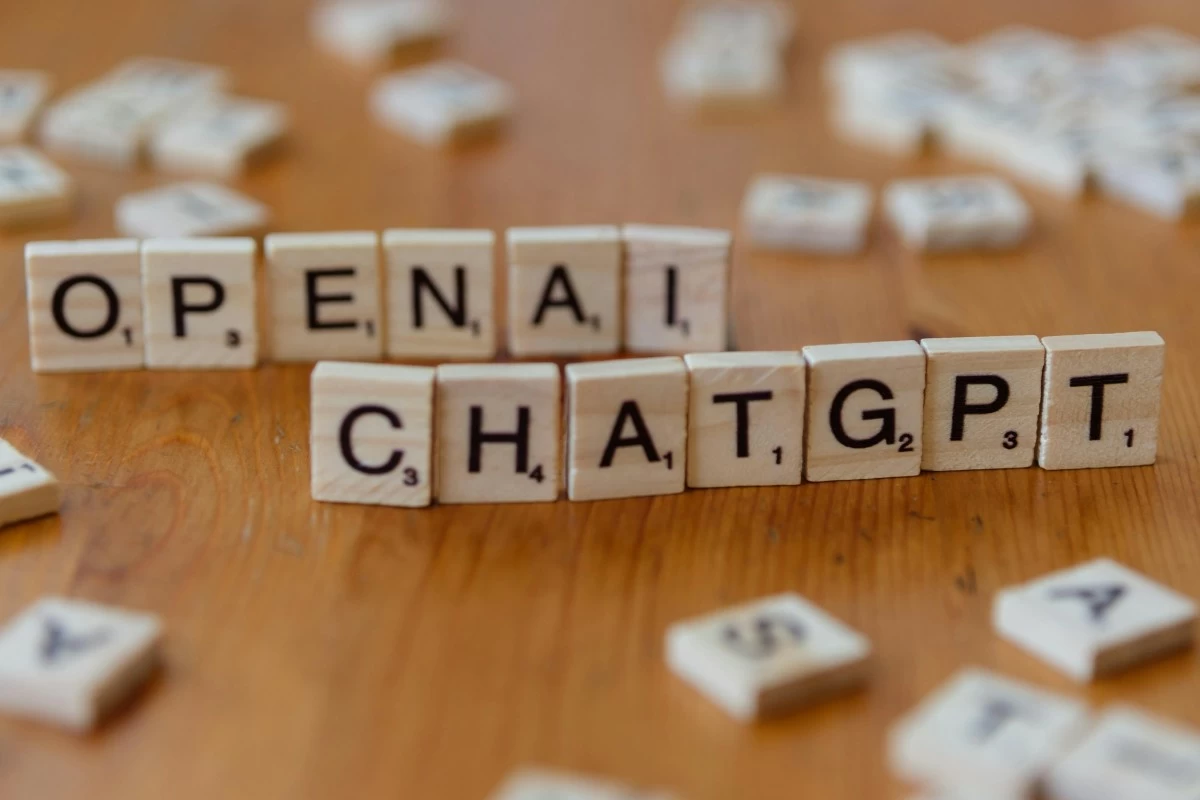
Image from pexels.com
The current “AI” hype continues, and the Philippines is no exception, with government, companies, universities, schools jumping in. What’s concerning is that generative AI (GenAI or GAI) is rapidly redefining what “AI” truly is. I’ve written about the distinction between “AI” and “GAI” before, and students, teachers, and administrators should be aware of this. Here’s a quick guide aimed at students:
1. Generative AI (GAI) is a subset of “Artificial Intelligence.” Not all “AI” models are GAI. For instance, the auto-correct and suggestions feature on your smartphone messaging app used pure Natural Language Processing (NLP), which is not GAI, until now. Similarly, some computer games use non-GAI models to enhance interactivity, dynamism, and interest. Another example is the face detection feature on your camera also uses “AI” models, but not GAI. So, whenever you encounter the term “AI,” ensure you understand what they’re referring to.
2. GAI, popularized by GPTs (Generative PRE-TRAINED transformers), employs statistical models to generate responses based on the data it was trained on. In simpler terms, it creates content, from content it was trained on, without understanding, context, or regard for truth or falsity. GAIs are essentially a souped-up version of the Garbage In, Garbage Out concept. The problem is that not only does it produce the garbage it was trained on, but it also creates more garbage, or as we might say, “bullshits.” Creating bullshits is not a bug of this technology; it’s a feature. It transforms whatever it was trained on, and we don’t know what “knowledge” it was trained on. And no, it’s not intelligent or intelligent; so, as good students do, verify everything you read or hear.
3. Popular generative AI models like ChatGPT, Gemini, Claude, Perplexity, and MidJourney are trained using unethically collected data, disregarding copyright laws. As a student, you’re always reminded not to plagiarize, as it’s considered a serious offense with disciplinary action. So, why use plagiarism services? As a student, it’s crucial to verify every GAI output, even the generated citations or references. Critical thinking is essential.
Speaking of plagiarism, it also occurs in code, specifically in computer programming. The latest trend among coders is “vibe coding,” which these GAI companies are promoting. While outsourcing your programming may be acceptable (depends on the teacher, I guess), it hinders learning. When I taught C and Java programming, I would ask students to explain their code in their own words. So, if you’re “vibe coding,” be cautious.
4. Like major social media companies like Meta, TikTok, and X, popular GAI models are hosted on the cloud. Every interaction, prompt, document, and personal data sent is collected and used to train the next version of their models. The concern here is the privacy issue. Privacy is a fundamental right. As a student, it’s crucial to safeguard your data, especially in this data-driven generation. Your school is mandated to protect your data privacy. Unfortunately, some teachers (wink wink) may not fully understand this and still use platforms like Facebook to post school-related activities and announcements..Tell your school that you care about your data privacy. Your private data defines you as an individual. In short, these GAI (like social media) companies are collecting your data to generate revenue.
5. The generation of students today will be the most affected by climate change. It’s crucial that we all do our part to protect the environment and ensure its continued habitability. As students, you must understand that these popular generative AI models are trained on massive arrays of graphics processing units (GPUs) and CPUs that require electricity. A significant portion of this electricity is generated from non-green power generation technologies, such as coal. This has an undeniably substantial environmental impact. Additionally, these CPUs and GPUs generate substantial amounts of heat that need to be cooled down to prevent the silicon from overheating. Unfortunately, the cooling mechanism requires fresh water, which undergoes vaporization and takes a long time to recycle back into fresh water. Once trained, these models continue operating in similar data centers, consuming electricity and fresh water. In essence, using generative AI can have a detrimental effect on the environment. Can you live with using a technology that ruins the environment?
—-
While it’s important to be critical of the use of generative AI, there are ethical alternatives available. These models are trained using ethically sourced data, are processed in environmentally friendly ways, and can run locally on devices, preserving privacy. It just a matter of finding these models, and to find these models, avoid using Google, as every search query triggers Gemini and contributes to environmental degradation. Once you find one, download and run these models on your device. This is the only way to go.