






Manila Bulletin
 Philippines
National
Teachers push for higher education budget, immediate reforms as SY 2025–2026 opens amid shortages
Philippines
National
Teachers push for higher education budget, immediate reforms as SY 2025–2026 opens amid shortages
Philippines
National
Teachers push for higher education budget, immediate reforms as SY 2025–2026 opens amid shortages
Teachers push for higher education budget, immediate reforms as SY 2025–2026 opens amid shortages
Published Jun 15, 2025 04:01 pm


At A Glance
- As SY 2025–2026 opens, teachers demand a doubled education budget and urgent reforms amid critical shortages in classrooms, teachers, and learning materials, warning of a deepening education crisis under the Marcos administration.
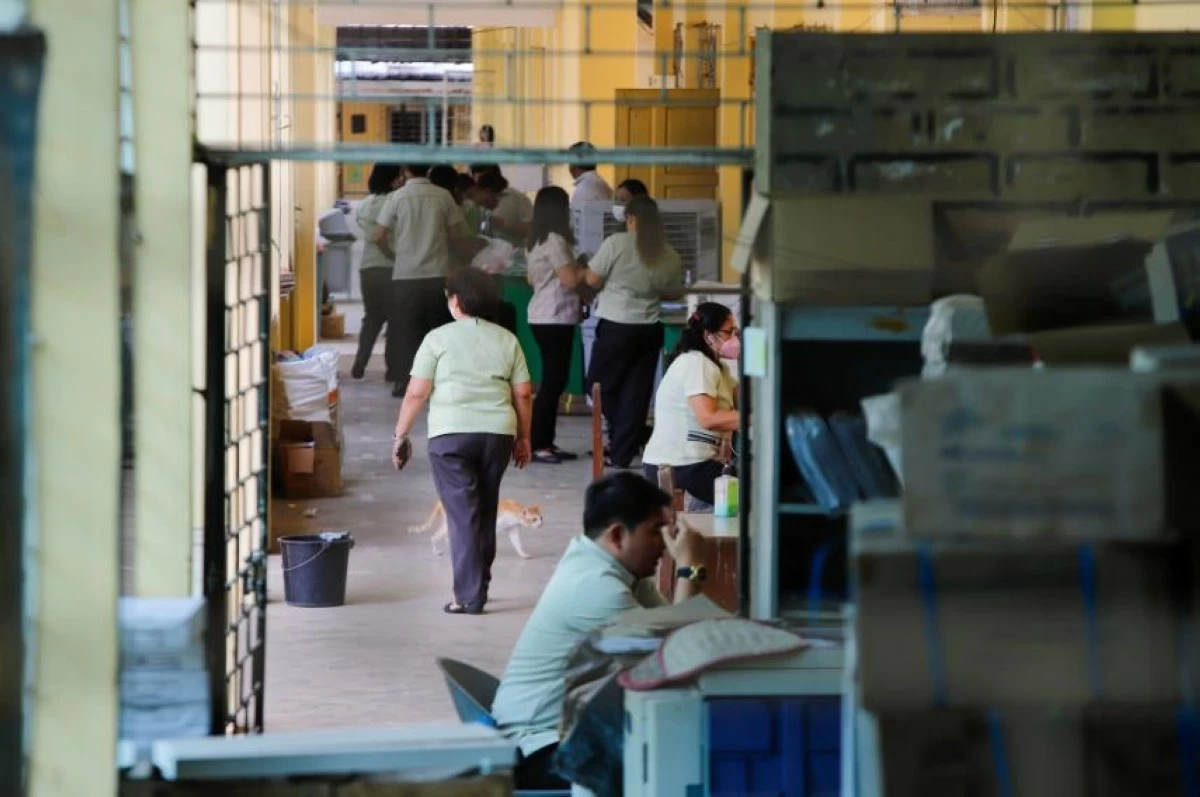
SCHOOL YEAR 2025–2026 OPENING. Citing severe shortages in classrooms, educators, and learning materials, teachers’ groups are calling for a doubling of the education budget and immediate reforms, warning that without urgent action, the education crisis under the Marcos administration will continue to worsen. (MANILA BULLETIN / FILE PHOTO)
As public schools across the country prepare to open their doors for a new school year, teacher groups on Sunday, June 15, sounded the alarm over the persistent and worsening education crisis and called for urgent, concrete government action to resolve systemic shortages.
The Alliance of Concerned Teachers (ACT) and the Teachers’ Dignity Coalition (TDC), in separate statements, both demanded significant budget increases and reforms.
The groups also warned that the Marcos administration’s continued failure to prioritize education jeopardizes the welfare of students and educators alike.
“The opening of classes this June 16 exposes the criminal neglect of the Marcos administration towards public education,” said ACT Chairperson Vladimer Quetua, citing staggering shortfalls: 165,000 classrooms, 150,000 teachers, 96,000 education support personnel, and at least 20 million learning materials.
ACT is calling for an immediate doubling of the education budget to at least six percent (6%) of the country’s gross domestic product (GDP), in line with international standards.
“How can we expect quality education when our schools are overcrowded, our teachers overworked and underpaid, and our students lack basic learning materials?” Quetua asked.
He also criticized what he called a “neoliberal agenda” that diverts resources to military spending and debt servicing while depriving Filipino children of quality learning conditions.
Meanwhile, the Teachers’ Dignity Coalition (TDC) also reiterated the readiness and dedication of public school teachers ahead of the school opening but warned that government neglect continues to burden educators and students.
“Teachers are always ready and enthusiastic to perform their duties despite the recurring challenges we face every year,” said TDC National Chairperson Benjo Basas. “But it is also the government’s duty to make sure we are not left to carry this burden alone,” he added.
Basas highlighted the persistent shortages in classrooms, armchairs, sanitation facilities, and learning materials—especially those aligned with the newly revised curriculum. He expressed concern that the pilot implementation of the Strengthened Senior High School (SHS) curriculum is being rolled out without sufficient support.
“Reports from the field show that some schools participating in the SHS pilot are not adequately supported to deliver the new curriculum effectively,” Basas noted.
Both teacher groups also underscored the unresolved crisis in teacher welfare, including low pay, overwork, and the under-implementation of benefits mandated by the Magna Carta for Public School Teachers—such as overtime pay, paid study leave, and free medical treatment.
While Basas acknowledged the Marcos administration’s move to institutionalize a P7,000 annual medical allowance through an HMO beginning this year, he lamented that teachers still had to pay out of pocket for required medical checkups due to delayed implementation.
“Our appeal to release the allowance in cash, at least for this year, was also ignored,” he said.
In unison, both groups emphasized that lasting education reform will not be possible unless the government meaningfully addresses the root causes of the crisis—most importantly, adequate funding and the dignified treatment of teachers.
“No education reform will succeed if we continue to neglect the very people tasked to make it work—our teachers,” Basas said.
“The underfunding of education is part of the systematic weakening of our national capacity to develop our own human resources,” Quetua added. “A truly patriotic government would prioritize education as the foundation of genuine national development.”
As the 2025–2026 school year begins, ACT announced the launch of its School Opening Campaign and vowed to mobilize stakeholders in what it calls the “2026 Budget Fight,” pressing for increased funding and reforms both in Congress and in the streets.
Both ACT and TDC remain committed to pushing for substantial salary increases, better working conditions, and an education system that is patriotic, scientific, and truly mass-oriented.
RELATED STORY: