






 Business
The Stock Market
The unlikely story of McDonald's Philippines founder George Yang
Business
The Stock Market
The unlikely story of McDonald's Philippines founder George Yang
The unlikely story of McDonald's Philippines founder George Yang
From borrowed Mercedes to billions:


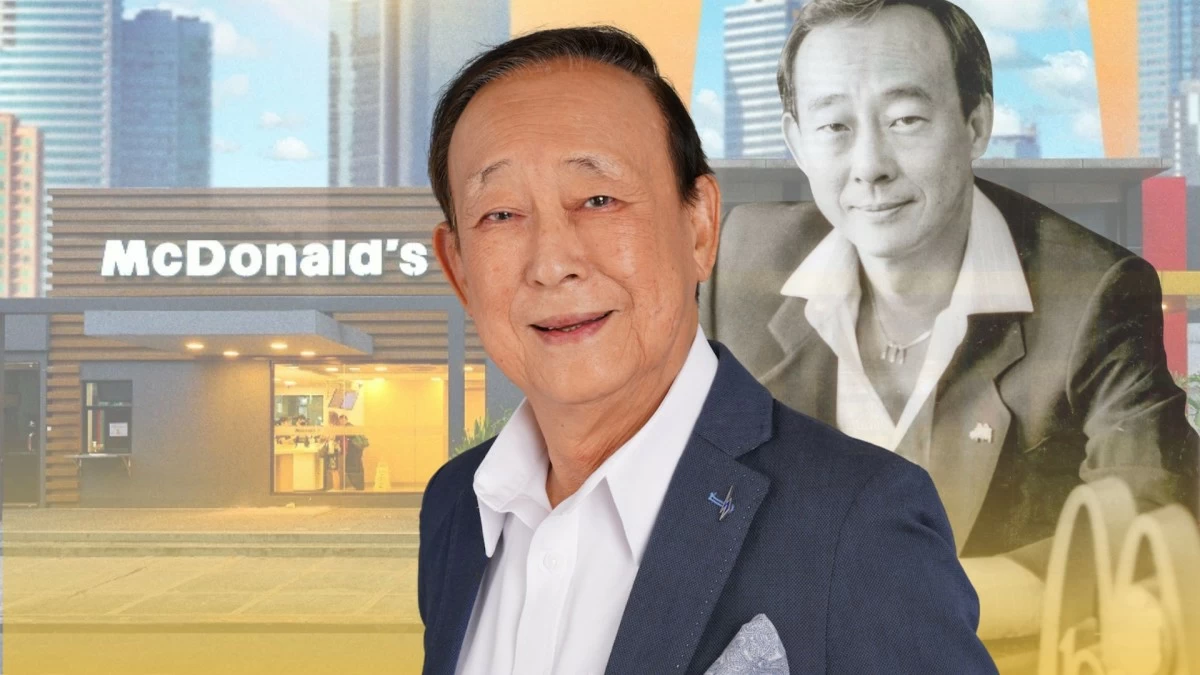
The story of George T. Yang, the visionary who brought McDonald's to the Philippines, is a tale of an underdog defying the odds. In the cutthroat world of international franchising, success often seems reserved for those with immense wealth and established power.
In the 1970s, Yang, a freshly minted Wharton Business School graduate, found himself competing for the coveted McDonald's franchise rights against some of the Philippines' most formidable business magnates.
"I'm the most nobody among all the applicants," Yang candidly admitted in an interview with the Manila Bulletin.
He recounted having to borrow a relative's old Mercedes-Benz just to chauffeur the McDonald's representatives, who were in Manila to interview potential franchisees. His well-heeled competitors, meanwhile, were rolling out limousines.
But then, their drive took an unexpected turn. "It was in the middle of summer, they were all in coats and ties, three big guys in the back," Yang recalled. "When all of a sudden, the aircon went off in Ortigas. They all sweated.” A wave of panic washed over him. “Patay na ito [we're doomed]," Yang thought.
It was an uphill battle. He revealed that applicants ranged from people who controlled a large brewery to titans in real estate and retail.
"When they were trying to convince [McDonald's], they'd say, 'Our company is big…our companies are doing this and that..we’re a big corporation..we have the assets and the capital etc.” I did not have that,” he recounted.
Personal touch: George's secret weapon
Despite the imposing display of wealth from his competitors, Yang held onto an inner conviction. "Somehow, I was confident," he recalled, sensing an edge over his rivals.
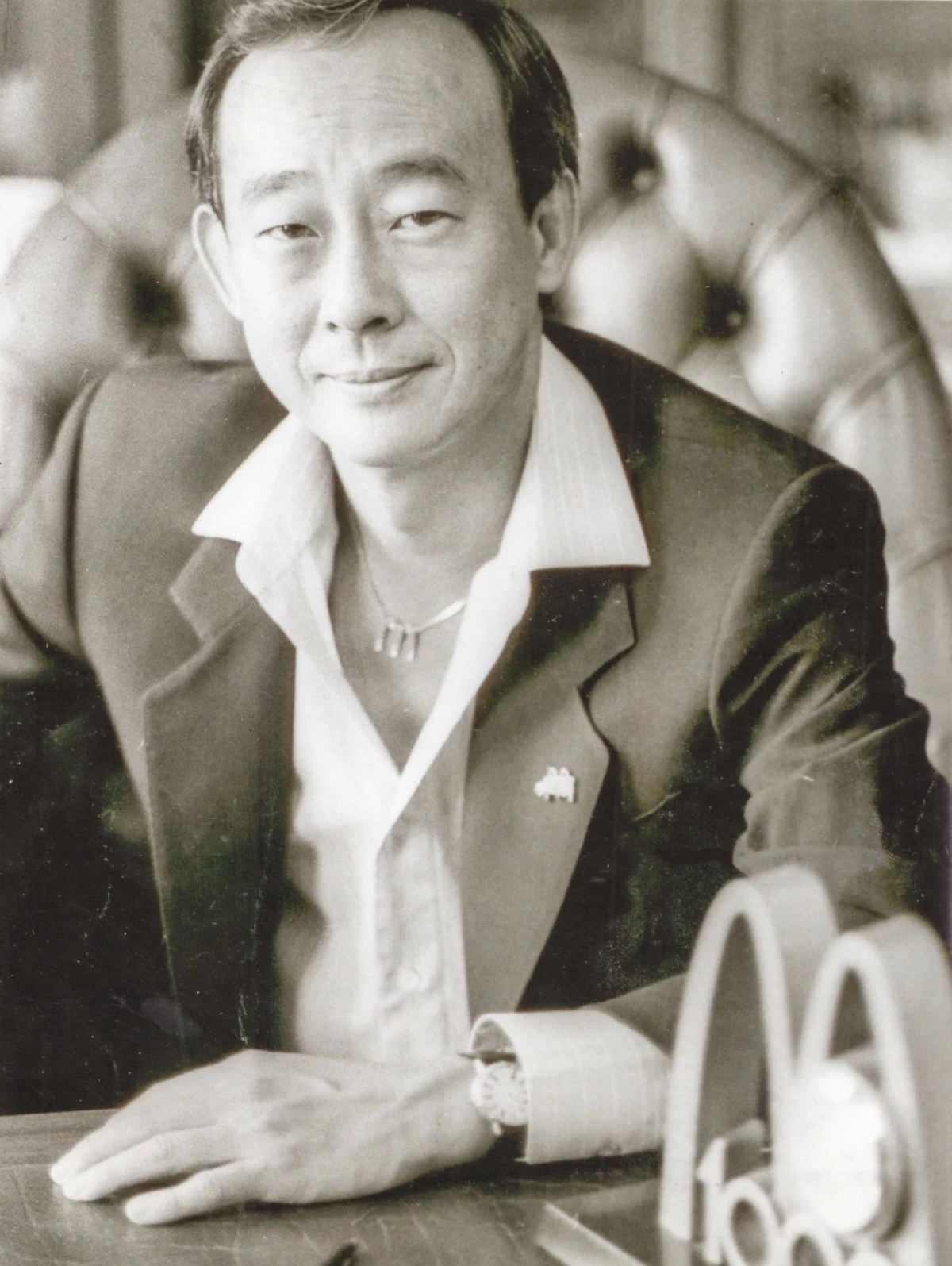
The critical moment arrived when the president of McDonald's International touched down in Manila, prepared to personally interview the select few who had made the shortlist.
"The president came to talk to us. He came with his wife, and I introduced them to my wife and my father. They came to my house to have a chat so they would know what kind of person we are." It was a personal touch, a window into the Yang family's character. This personal connection, rather than just financial might, became his secret weapon.
“I told them, if you select me, I'll be in the store, running it myself. I won’t hire someone else to do it,” he stated. Yang, against all odds, secured the coveted McDonald's franchise, forming the Golden Arches Development Corporation (GADC) in partnership with McDonald's Corporation.
With the franchise in hand, Yang’s next task was securing the funding to build the actual stores, a commitment he made to the American executives to open 10 branches in the Philippines.
The initial capital required was substantial for the time, roughly ₱6 to ₱7 million per store. However, he found himself hitting a wall with local banks.
"We spoke to a couple of local banks; they were interested but asked too many questions," Yang revealed.
Manila's first McDonald's
The breakthrough came when they approached an international bank. "It turns out, this international bank has been funding many of McDonald's franchisees all over the world, and then they never got really delinquent.”
That established track record with other McDonald’s franchisees proved to be Yang's golden ticket. The global bank partner provided the much-needed loan without requiring collateral, enabling him to open the very first McDonald's branch in Morayta (now Nicanor Reyes Street) in Manila in 1981.
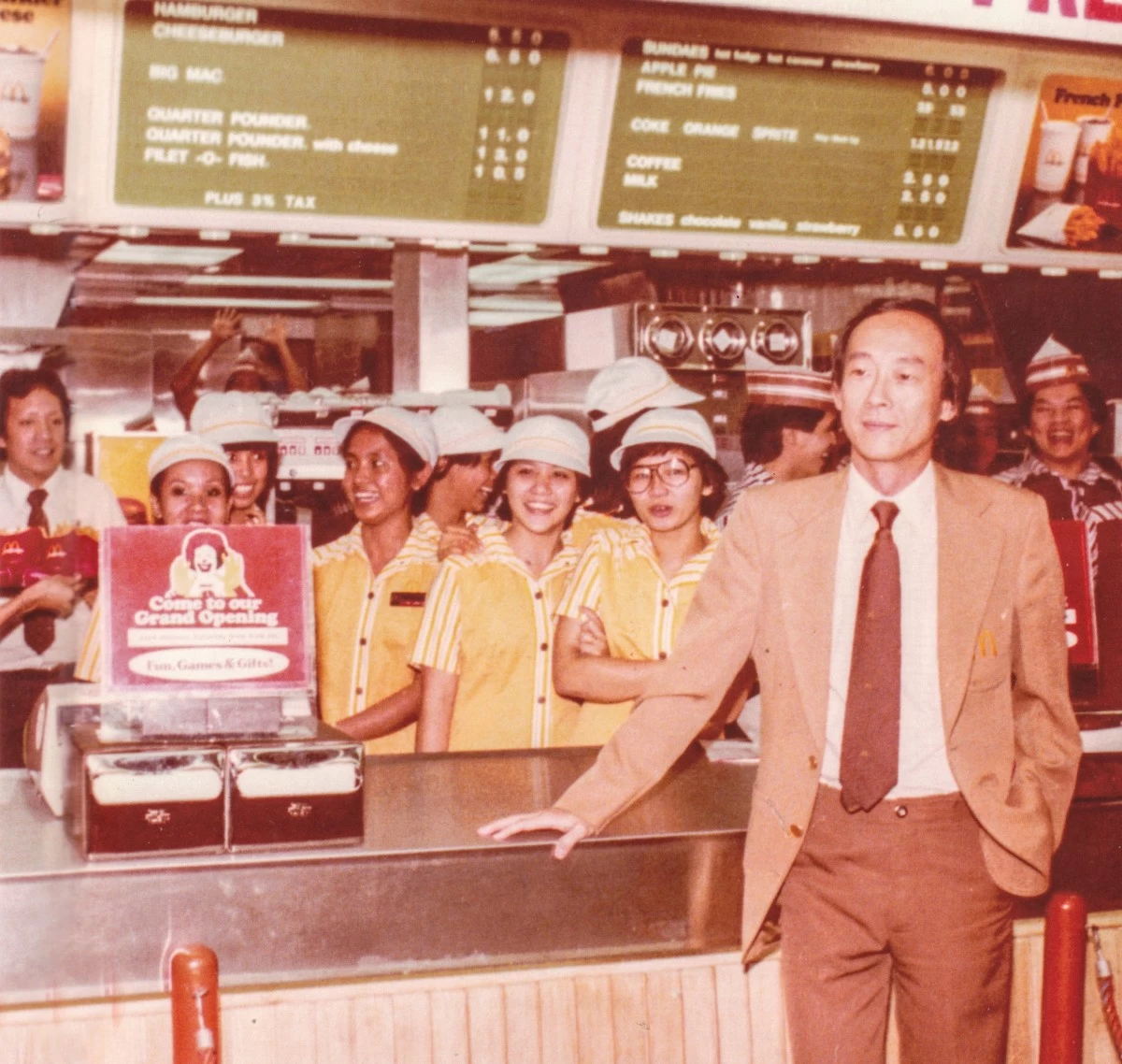
But before becoming the first store manager of the Morayta branch, Yang secretly—without the US head office's permission—trained as a crew member at a McDonald's in Hong Kong. He even brought his son, Kenneth, along on one occasion to observe.
"I worked in Hong Kong, I worked as a crew," Yang revealed. "They didn't know that I was somebody waiting to become an owner-operator. So they thought of me as a crew. They treated me as one, and it was very tough,” he admitted.
This experience, however, shaped his philosophy on employee welfare, especially for the crew members in McDonald's stores.
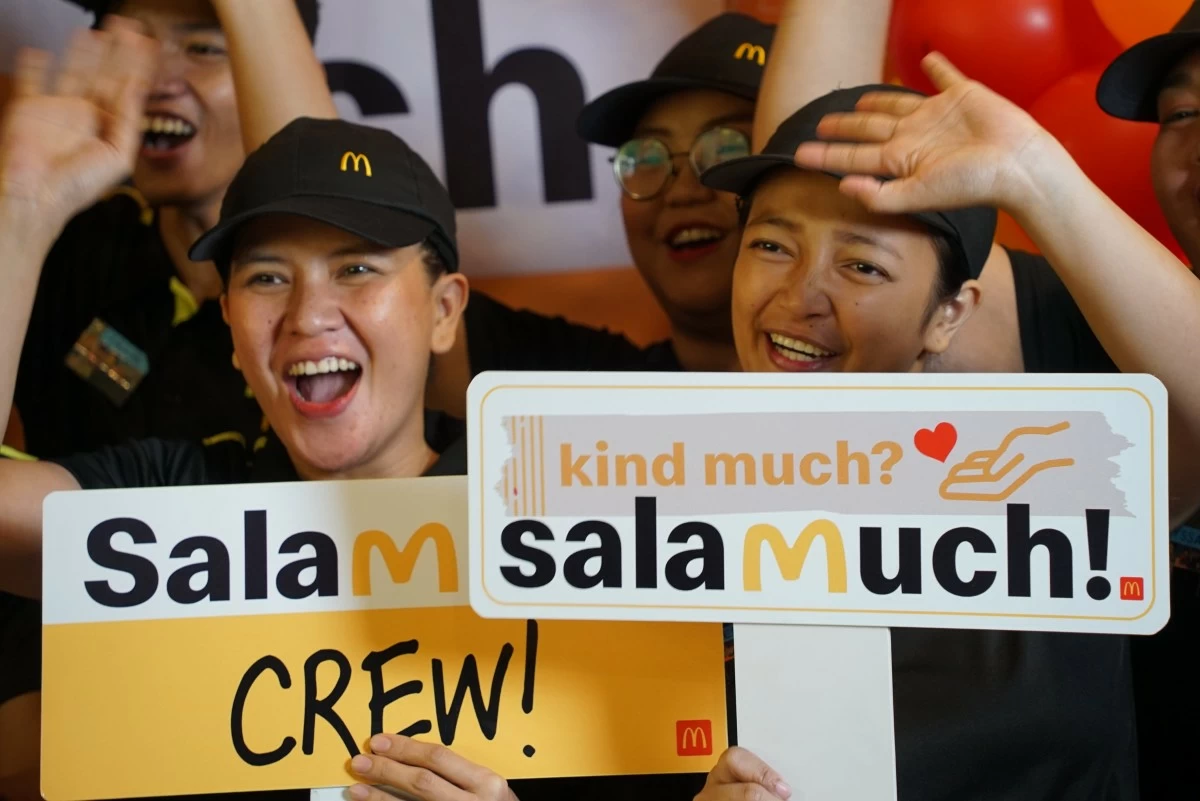
"The restaurant crew, for me, are the most important," Yang stated. "The people who work in the restaurants. We even call our office employees ‘support center’ because our decisions are made to support our crew and managers in the stores. That's just how it is.”
Local flavors, a lasting legacy
After a successful initial launch, McDonald's was warmly embraced by Filipino consumers, quickly leading to the opening of a second branch in Cubao, Quezon City. Yet, not everything was smooth sailing. Yang soon noticed that certain menu items weren't performing as well as anticipated.
He sought to introduce flexibility in McDonald's menu to suit Filipino tastes better, but it took some time to convince his partners otherwise. After many pitches, McDonald’s Corporation agreed and allowed Yang to introduce items beyond the standard menu, such as fried chicken, rice, and spaghetti.
Yang said this decision to adapt to local tastes wasn't just a win for him, as it evolved into a global practice that has since benefited different local markets to offer products unique or relevant to their customers. It helped a lot of other franchisees worldwide.
"Now our local products, the ones we created, are our best sellers," Yang proudly stated. "You know, without our bone-in fried chicken, Chicken McDo, it would be harder to compete. In the early years, we didn’t have that.”
From Yang's initial commitment to open 10 branches in the country, McDonald's Philippines expanded to 792 stores by the end of 2024 and is expected to open its 800th location this year.
Despite this remarkable expansion, Yang himself believes the growth could have been even more rapid if McDonald’s Philippines had more operational flexibility from the outset.
In 2005, Chicago-based McDonald's Corporation sold its minority stake in the Philippines to Yang and his investment partner, Andrew Tan.
Today, the legacy continues as George Yang’s son, Kenneth, leads McDonald's Philippines’ daily operations as president and chief executive officer of GADC.
“McDonald’s Philippines is 100 percent Filipino,” Yang declared.
Unbreakable partnership
In April, McDonald's Corporation solidified its long-standing partnership with the Yang family, signing a new 20-year franchise agreement that ensures GADC will continue operating McDonald's in the Philippines until 2045.
"I was confident that they would renew us because of how we have grown and cared for the McDonald’s brand in the Philippines,” Yang stated candidly. "We've contributed significantly in expanding McDonald’s footprint while contributing to nation-building.”
Among the partners in the region (Asia Pacific) who around the same time first opened McDonald’s stores in Brazil, Singapore, Malaysia, and Indonesia—the Yang family is now the sole “original” partner remaining in the system, as others eventually divested or sold back their stake to McDonald’s Corporation.
Yang also shared a unique detail about their new franchise agreement: it's personally named under him and his son, Kenneth.
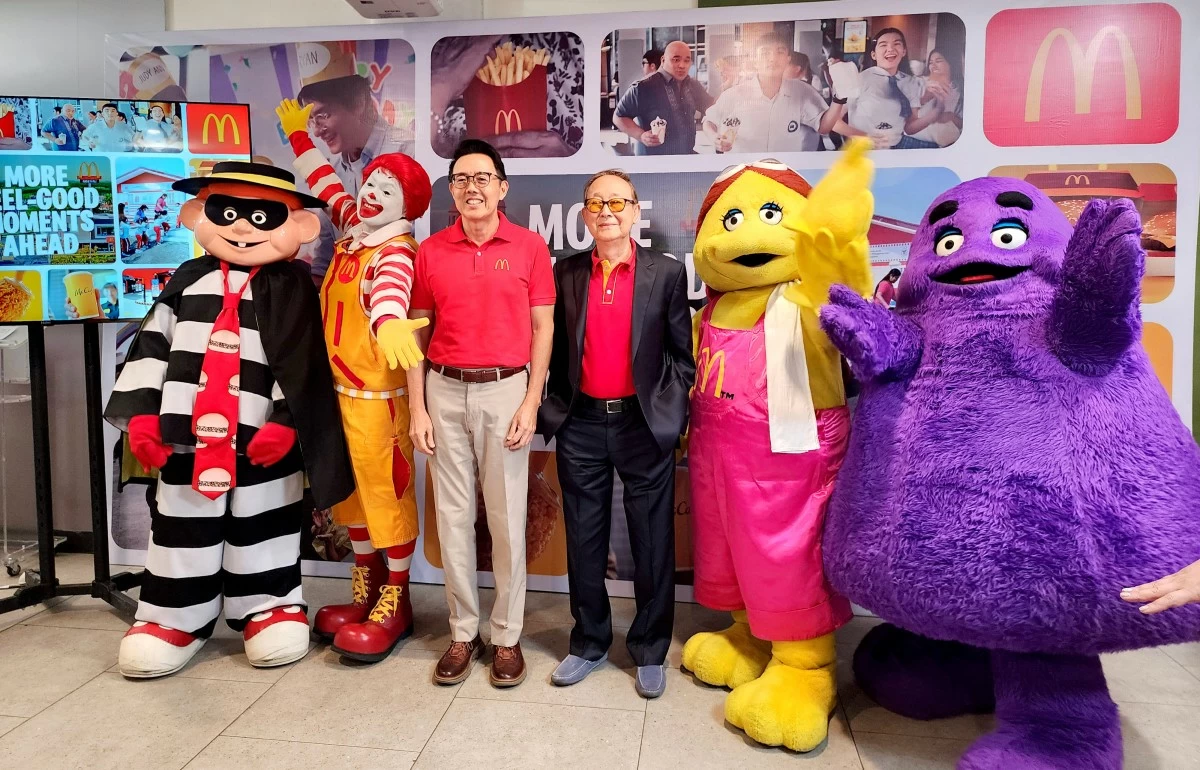
”The franchise is granted to George Yang and Kenneth Yang," he revealed. "Normally, it's given to the operating company, which is Golden Arches. But while Golden Arches manages the day-to-day, Kenneth and I remain the master franchise holders of McDonald’s; we are the owners of the business name.”
When asked about this unusual arrangement, Yang simply replied, "Because they trust me and they trust Kenneth.”
He further clarified, "We might have partners, but they don't own the franchise. We personally hold the franchise.”
Yang described this arrangement as win-win. "McDonald's continues to grow in the country, with us managing and assuming the risks of running the business—a testament to McDonald's Corporation's trust in us," he explained.
"And for us, it’s also incredibly important that we have ownership, or the franchise license in our name to ensure that we continue to bring to life our purpose: serve Filipino customers with great tasting, quality, value-for-money food, and make a positive difference in the lives of more Filipinos through employment generation and community development, for more decades to come,” he concluded.