






Manila Bulletin
 Philippines
National
Manila solon asks Torre to ensure protection of crime suspects' rights
Philippines
National
Manila solon asks Torre to ensure protection of crime suspects' rights
Philippines
National
Manila solon asks Torre to ensure protection of crime suspects' rights
Manila solon asks Torre to ensure protection of crime suspects' rights
Published Jun 14, 2025 12:16 pm
|
Updated Jun 14, 2025 01:59 pm


At A Glance
- Manila 2nd district Rep. Roland Valeriano on Saturday, June 14, asked Philippine National Police (PNP) chief Nicolas Torre to consider several measures that would help protect the rights of crime suspects.
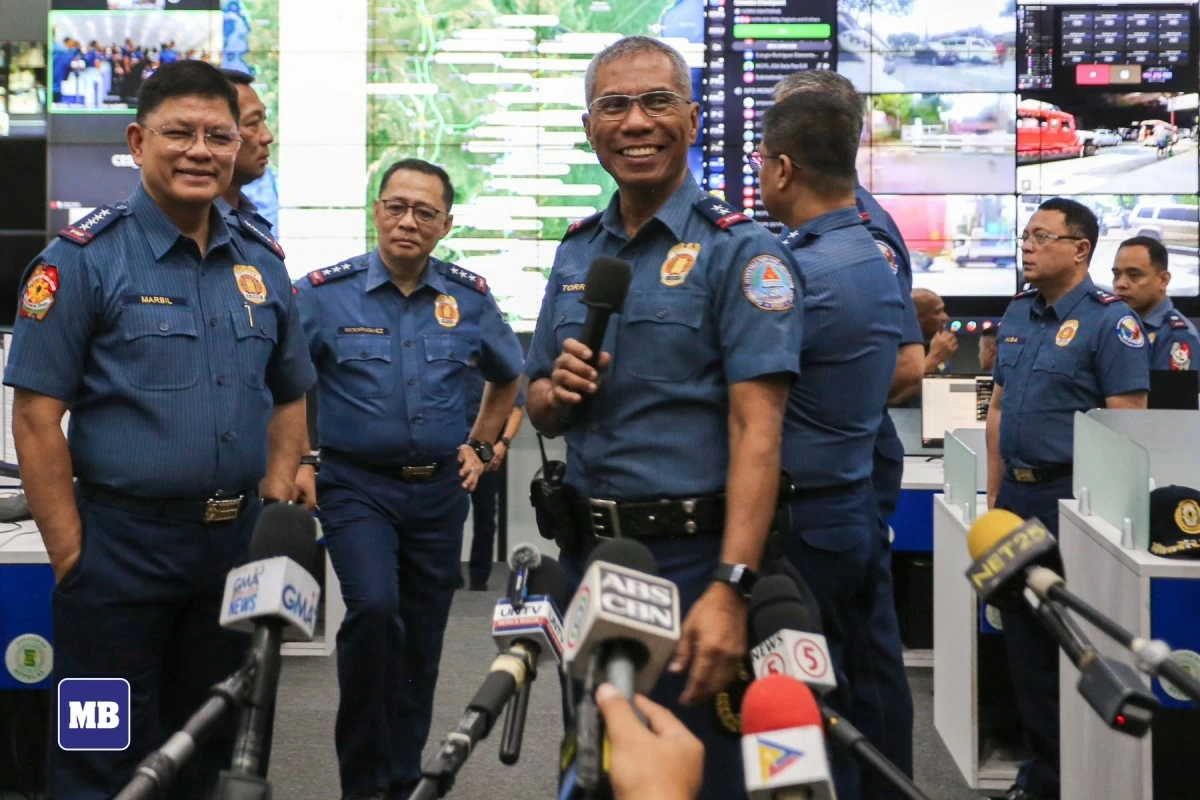
Manila 2nd district Rep. Roland Valeriano on Saturday, June 14, asked Philippine National Police (PNP) chief Nicolas Torre to consider several measures that would help protect the rights of crime suspects.
In particular, he says media interviews with criminal suspects without their legal counsel must be prohibited, and suspects' presentation during press conferences should be governed by rules.
Valeriano's reminders came as he stressed that all too often, cases are forgotten when media interest and the spotlight have waned or shifted elsewhere.
Why is the presence of legal counsel for suspects important? It's because it will avoid preying on the ignorance of suspects about their right to remain silent and right against self-incrimination, according to Valeriano.
The presentation of suspects to the news media should also be governed by strictly enforced rules that respect the rights of any suspect or accused as guaranteed by the Constitution, he added.
Aside from these, the lawmaker also called on Torre to have consistent rules on the public release of suspects' mugshots.
Meanwhile, in areas where Filipino and English are not the mother tongue, the Miranda Rights should be read to suspects in the regional language or dialect in the locality of the arrest.
Valeriano also said there should be monthly public disclosure via social media and press briefings of city, town, and provincial crime statistics by types of crime and by police station and outpost.
The PNP and the Department of Justice (DOJ) should guard against the filing of the wrong charges by police officers for the ulterior purpose of getting the charges against the guilty dismissed, giving them protection against double jeopardy, or using the charges as a form of harassment against the innocent.
For example, cases that should only be grave physical injuries and grave threats are filed as attempted homicide or attempted murder, Valeriano said.
For juvenile suspects aged 15 to 18, they do not have an automatic exemption from arrest and the filing of criminal charges, he told Torre.
The Supreme Court (SC) decision outlining guidelines for juvenile suspects should be enforced and followed by the PNP and the DOJ nationwide, he said.
There are also innocent drivers being arrested or charged despite the existence of clear video or other evidence showing other motorists or pedestrians being at fault.
Meanwhile, the DOHJ rule against weak cases that will not stand up in court should remind the PNP that they must conduct proper case build-up based on strong physical evidence and unassailable testimony of witnesses.
There has to be a public Internet portal with updates on cases of hazing, rape, child abuse, deadly road crashes, murders, homicides, and illegal drugs. This public portal will serve as a countermeasure against amnesia on cases that are sidelined with the passage of time, he added.