







Today's dads are reshaping what it means to be present
How Filipino fatherhood has shifted from survival mode to deeper connection
Published Jun 13, 2025 10:06 pm


Photo by Lgh_9/Pexel
I don’t remember much about my grandparents—they passed away when I was barely 10. But I do remember how my parents were with their own fathers. It wasn’t the kind of relationship where you sat down and talked a lot, but it was filled with reverence, expressed more through actions than words.
Back in the post-war era between 1945 and the ‘60s, when my parents were born, families typically had an average of six to seven children, according to World Bank data. Life was simpler then, but households were bigger, and parents were constantly occupied with raising their kids. Fathers focused on earning, hopefully, just enough to put food on the table. By the time they got home, they were already worn out from the day’s work.
There was little time or energy left for connection. And if there was time to bond, it usually happened over shared meals. After all, how could a father squeeze in one-on-one moments when there were six children to care for?
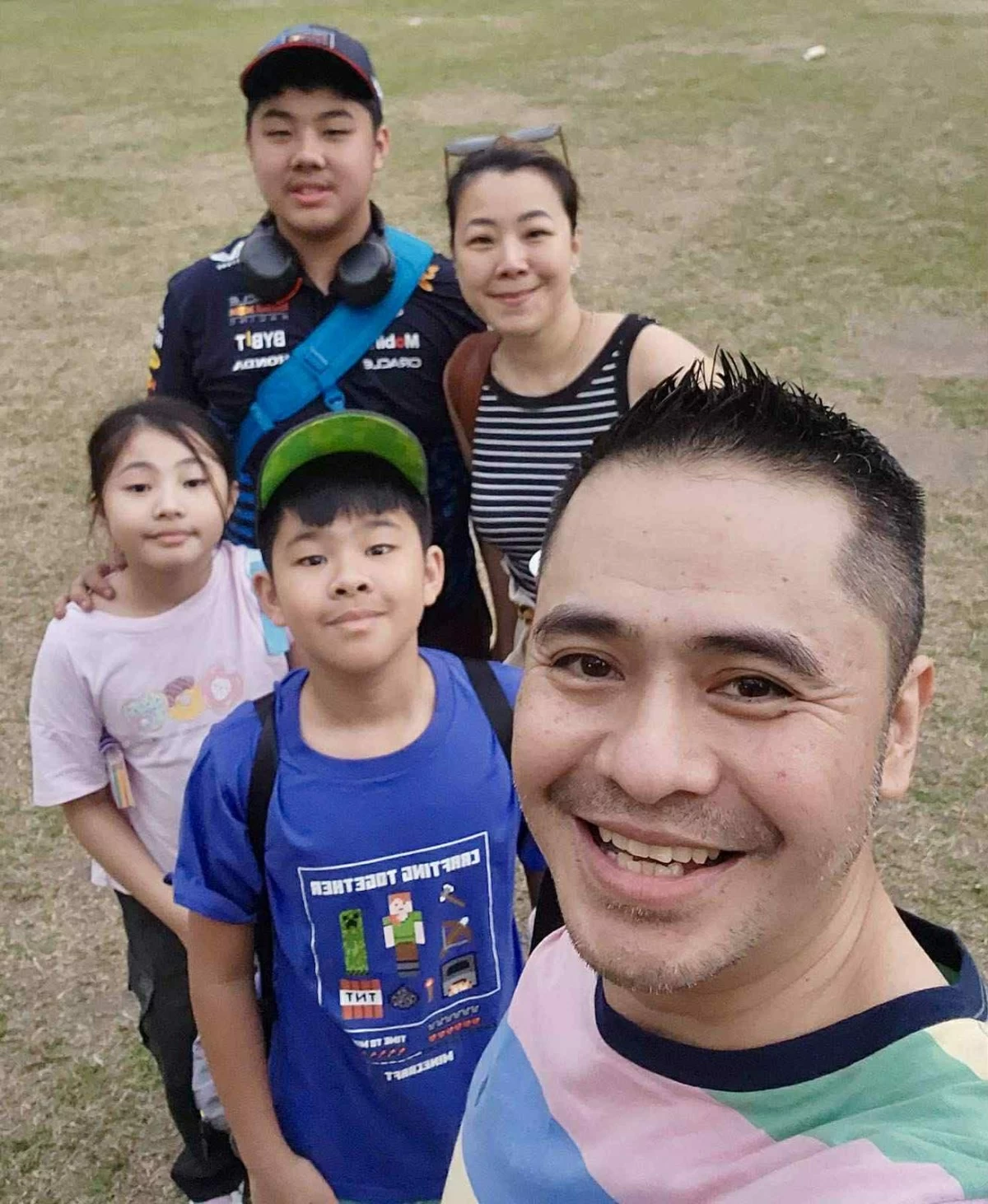
The author with husband John, who value the importance of spending quality time with their three children, JJ, JP, and LJ
That kind of setup defined what fatherhood stood for back then—providers first and emotionally reserved. Love was expressed through hard work, discipline, and the simple act of showing up after a long day’s work. Conversations were minimal, affection was rare, but needs were met. At that time, these were enough to define a good father.
Fatherhood has evolved over the past decades, alongside the shift toward smaller families with an average of 1.9 children, based on the Philippine Statistics Authority’s 2022 report. More parents today recognize the importance of family planning, understanding that having fewer children can help them provide a better quality of life and be more present in their children’s lives.
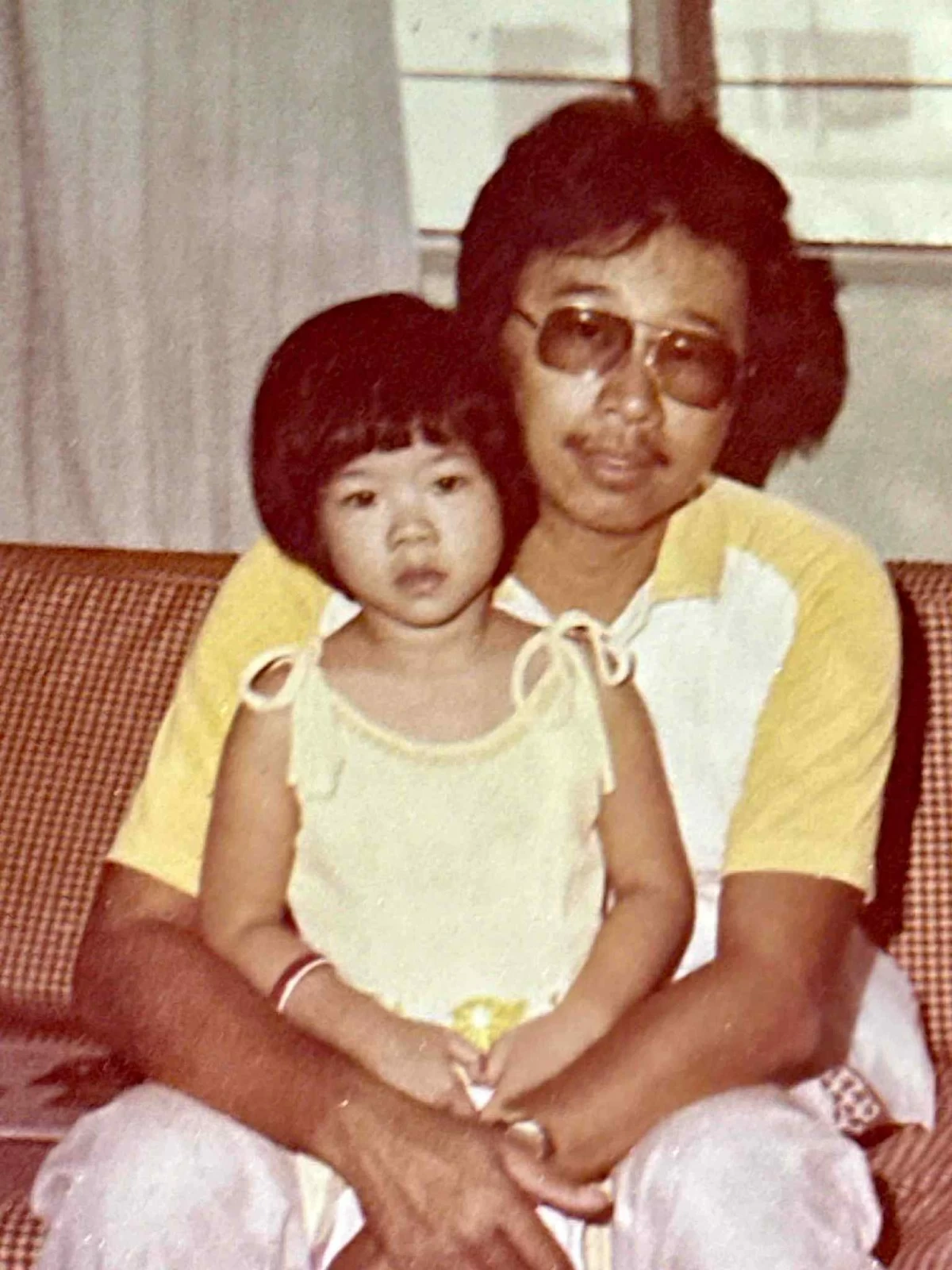
The author with her father, Pio, who always supports her in pursuing her dreams
Fathers today are more emotionally present. They listen, show affection, and take a more active role in their children’s daily lives. Since my husband and I became parents, which was 16 years ago, we’ve seen more dads confidently wearing baby slings, sharing sweet moments with their kids on social media, and stepping up in ways that weren’t always common in earlier generations. They’re at doctor’s appointments, night feeds, doing school drop-offs, helping with homework, and they are proud of it.
I’ve also noticed more and more dads showing up at school events. My husband, for one, makes it a point to set aside time for the family, no matter how busy things get. As a couple, we even talk about how we can support our children not just in academics, but in their physical, emotional, and mental wellbeing, too.
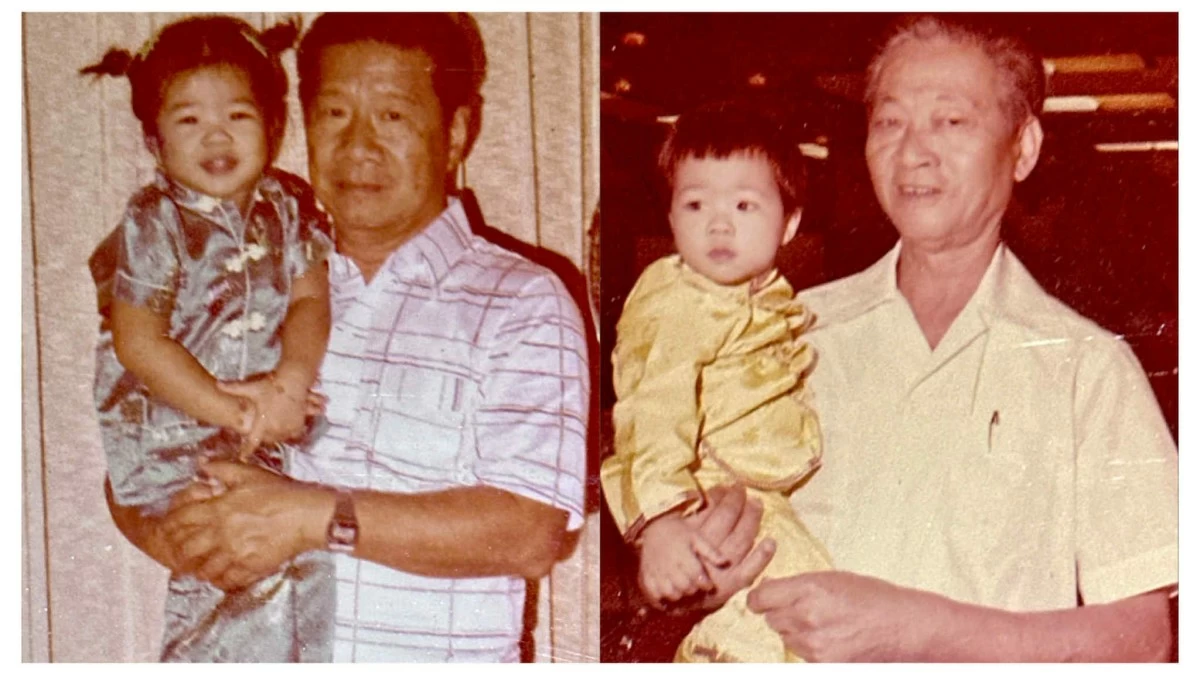
The author with her paternal and maternal grandfathers, Manuel Kingsu and Chua Ma
My husband and I agree that our dads gave us more than just a good life. They gave us the gift of knowing we were deeply loved. They showed us what fatherhood looks like and laid the foundation for how we parent today. From being just a pillar of strength to becoming a source of warmth and support, fathers today are making a conscious effort to be the kind of dad their children can truly connect with.
It’s tempting to compare generations, but this isn’t a competition. Fathers of the past did what they knew best. They showed love in the ways they had been taught. Today’s generation of dads is simply better equipped. They’re supported by research, guided by parenting resources, and helped by more flexible work setups and a culture that is slowly making space for men to be emotionally available. What matters is how one reacts to these changes.
And maybe that’s the heart of this shift. Fatherhood today isn’t about being perfect. It’s about being present. It’s breaking cycles, learning new ways, and being brave enough to try even when you’re unsure—because everything you do is rooted in love and for the good of your children.
To all the fathers navigating this path, old-school or new-school, quiet or expressive, thank you. Your presence matters, and the way you keep showing up means more than you will ever know.