






Manila Bulletin
 Technews
DICT chief Henry Aguda swears in Cybersecurity Council, backs PBBM's digital safety push
Technews
DICT chief Henry Aguda swears in Cybersecurity Council, backs PBBM's digital safety push
Technews
DICT chief Henry Aguda swears in Cybersecurity Council, backs PBBM's digital safety push
DICT chief Henry Aguda swears in Cybersecurity Council, backs PBBM's digital safety push
Published Jun 13, 2025 05:54 pm


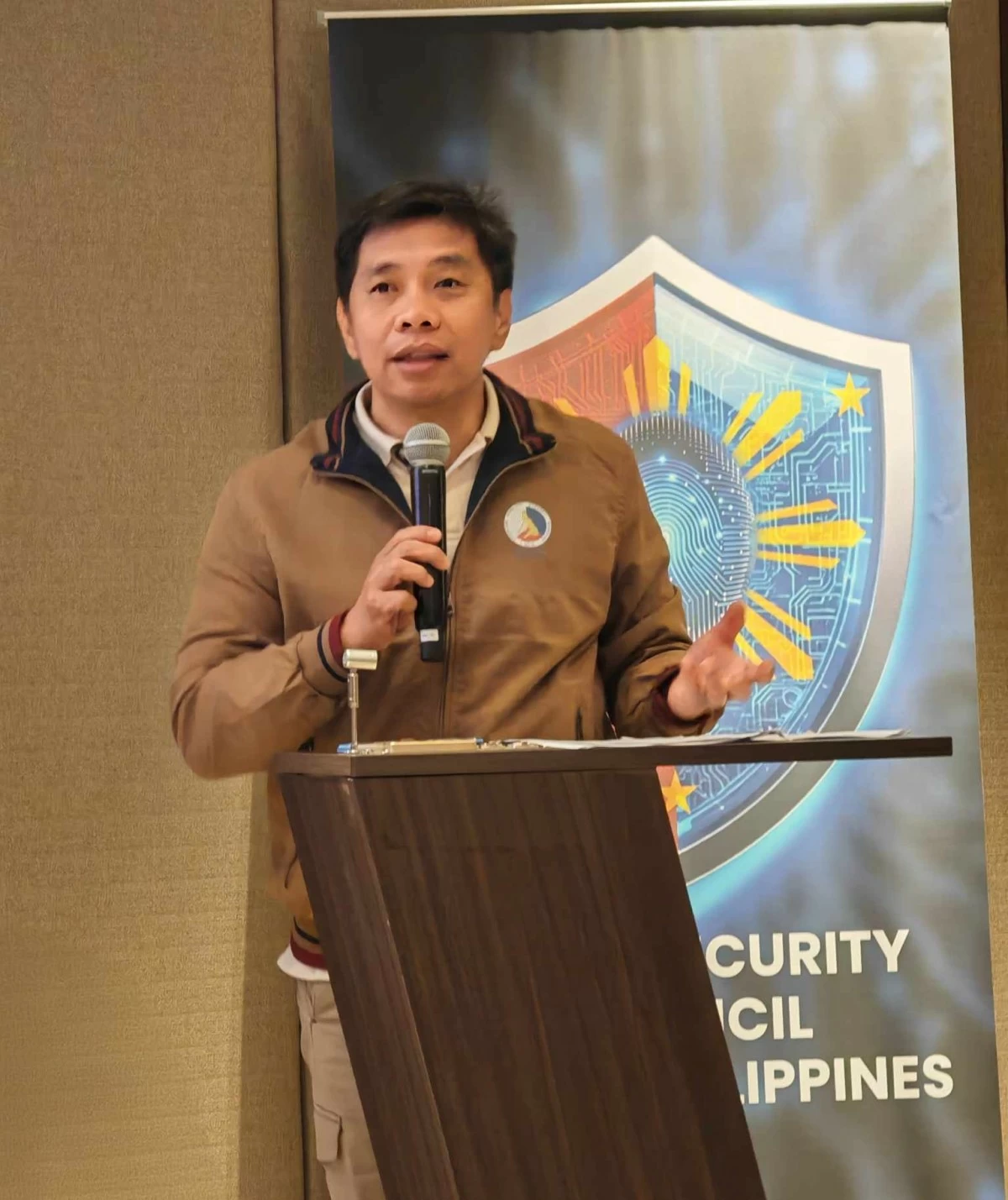
DICT Secretary Henry Rhoel Aguda underscores the urgent need for cybersecurity awareness and public-private collaboration during the oath-taking of the founding board of the Cybersecurity Council of the Philippines (CSCP), held in Manila.
Department of Information and Communications Technology (DICT) Secretary Henry Rhoel Aguda administered the oath-taking of the founding Board of Directors of the Cybersecurity Council of the Philippines (CSCP) on Thursday, underscoring the urgent need to strengthen the country's cyber defense in a fully digitized society.
The newly launched CSCP aims to elevate cybersecurity discourse and action beyond the technical domain by involving business leaders and top-level decision-makers. CSCP Chairman and President Donald Lim emphasized that the council is not merely composed of IT practitioners but also includes executives and key policymakers who have the authority to implement and fund cybersecurity measures across various sectors.
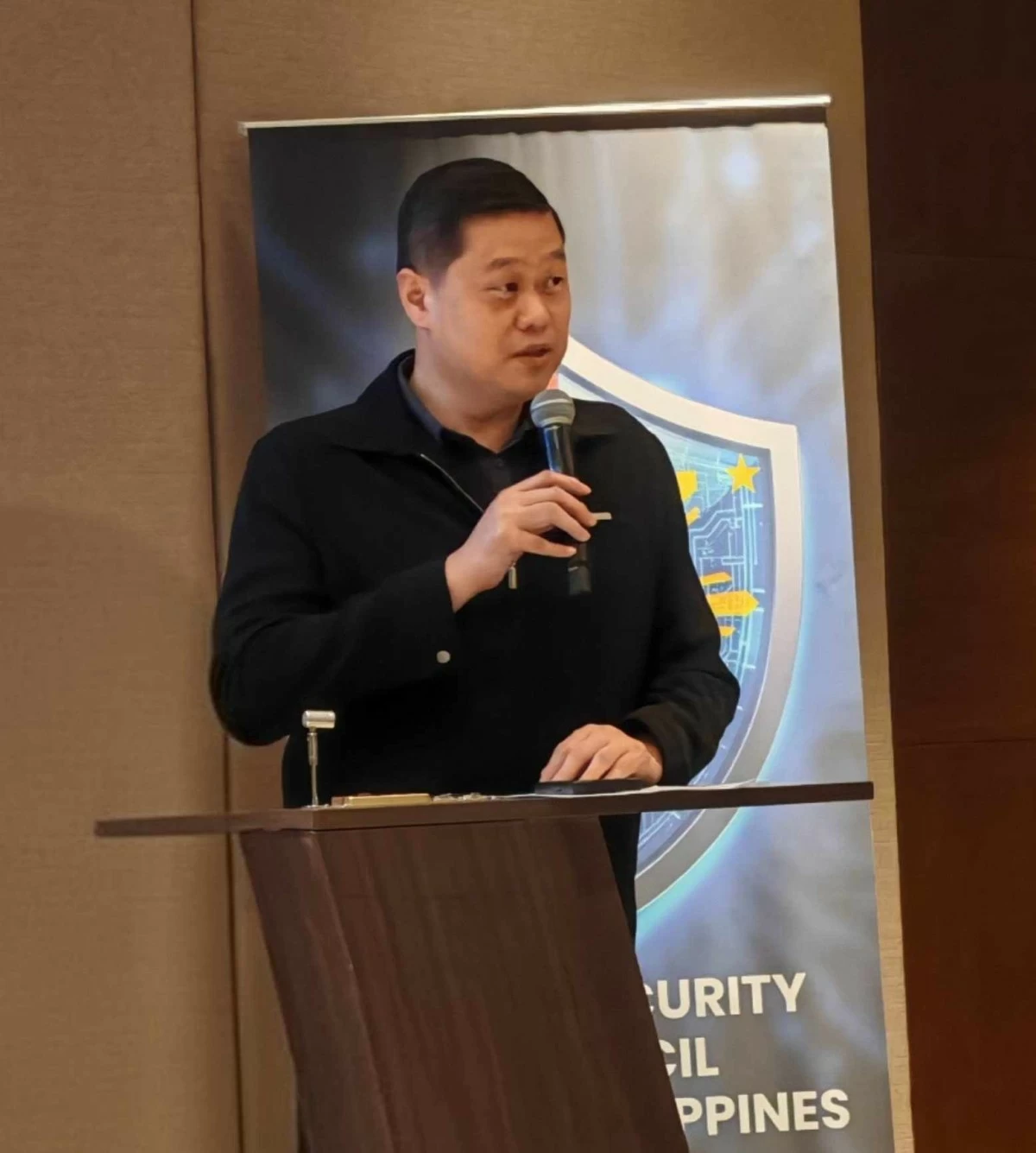
CSCP Chairman and President Donald Lim delivers his message during the oath-taking ceremony of the Cybersecurity Council of the Philippines’ founding board, emphasizing the crucial role of decision-makers in driving cybersecurity awareness and implementation across sectors.
In cybersecurity, the final decision will always rest with the executives. Our goal is to ensure that those making the decisions are also cyber-aware, Lim said, noting the council's primary goal of educating leaders on the evolving cyber threat landscape in the Philippines.
Secretary Aguda welcomed the formation of the CSCP as a crucial partner in the government's digital agenda. He echoed President Ferdinand Marcos Jr.'s directive to not only make internet access faster but also safer for all Filipinos.
Secretary Aguda also revealed that in his more than 85 days at the helm of the DICT, over 60 percent of his work has been focused on cybersecurity, a clear reflection of how central digital safety has become in national governance. “That’s how serious this is,” Aguda stressed, noting that cybersecurity is no longer a peripheral concern but a cornerstone of public service and digital transformation.
He emphasized that under the leadership of President Ferdinand Marcos Jr., cybersecurity has been elevated to a top-level government priority. The President, he said, understands that as the country accelerates its shift to digital infrastructure, from e-governance and online education to fintech and smart cities, the risks that come with cyber threats also multiply.
Aguda likened the digital landscape to a national highway system. “We’re building faster, more connected roads for Filipinos to travel on,” he explained. “But if that highway is filled with potholes, scammers, and bad actors, it becomes dangerous. President Marcos has made it clear: speed is important, but safety is non-negotiable.”
This focus on cybersecurity is not just about defending infrastructure, it’s about preserving public trust in the digital economy, protecting national security, and ensuring that ordinary citizens, especially the most vulnerable, are safe online. With the establishment of CSCP, the government now has an allied force of experts and leaders to help identify threats, propose policy solutions, and build a more cyber-resilient Philippines.
At the heart of CSCP lies a vision of a future where the Philippines is resilient and cyber-secure. In this country, businesses, government agencies, and individuals are not only protected from cyber threats but are also empowered to trust and thrive in the digital economy. The council envisions a safer cyberspace for all, where digital growth is matched with robust security and public confidence.
To realize this vision, CSCP commits to a mission of uniting the country's key sectors, corporate, government, and the academe in strengthening the national cybersecurity ecosystem. Through strategic collaboration, the council will drive policy advocacy, capacity-building, awareness campaigns, and joint initiatives that shield institutions and citizens from the growing risks of cybercrime. It's a mission rooted in inclusivity, sustainability, and the conviction that cybersecurity is a shared responsibility for everyone.
The council has also outlined six core objectives:
Raise awareness and advocacy – Promote cybersecurity as a national priority among leaders and organizations through campaigns, forums, and policy input.
Strengthen cyber resilience – Develop programs that boost cybersecurity postures across sectors by sharing best practices and research.
Protect consumers and businesses – Educate the public about scams, fraud, and cybercrime while equipping businesses with the tools to protect their operations.
Capacity building and skills development – Grow the local talent pool through training, certifications, and academic partnerships.
Public-private collaboration – Foster cooperation between government, industry, and academia to shape national strategies on cybersecurity.
Cybercrime prevention and response – Collaborate with law enforcement and regulators to enhance the detection, prevention, and response to cybercrime.
Aguda concluded that as the country continues its shift to a digital-first economy, the formation of CSCP marks a significant milestone in securing the nation's cyberspace through leadership, collaboration, and action.