






The Department of Social Welfare and Development (DSWD) said it is intensifying its efforts to track the progress of families under the Pantawid Pamilyang Pilipino Program (4Ps) to ensure that support is not just regular, but also responsive to each household's unique challenges and goals.
Manila Bulletin
 Philippines
National
DSWD steps up monitoring of 4Ps families' progress, tailors support to individual needs
Philippines
National
DSWD steps up monitoring of 4Ps families' progress, tailors support to individual needs
Philippines
National
DSWD steps up monitoring of 4Ps families' progress, tailors support to individual needs
DSWD steps up monitoring of 4Ps families' progress, tailors support to individual needs
Published Jun 12, 2025 05:00 pm


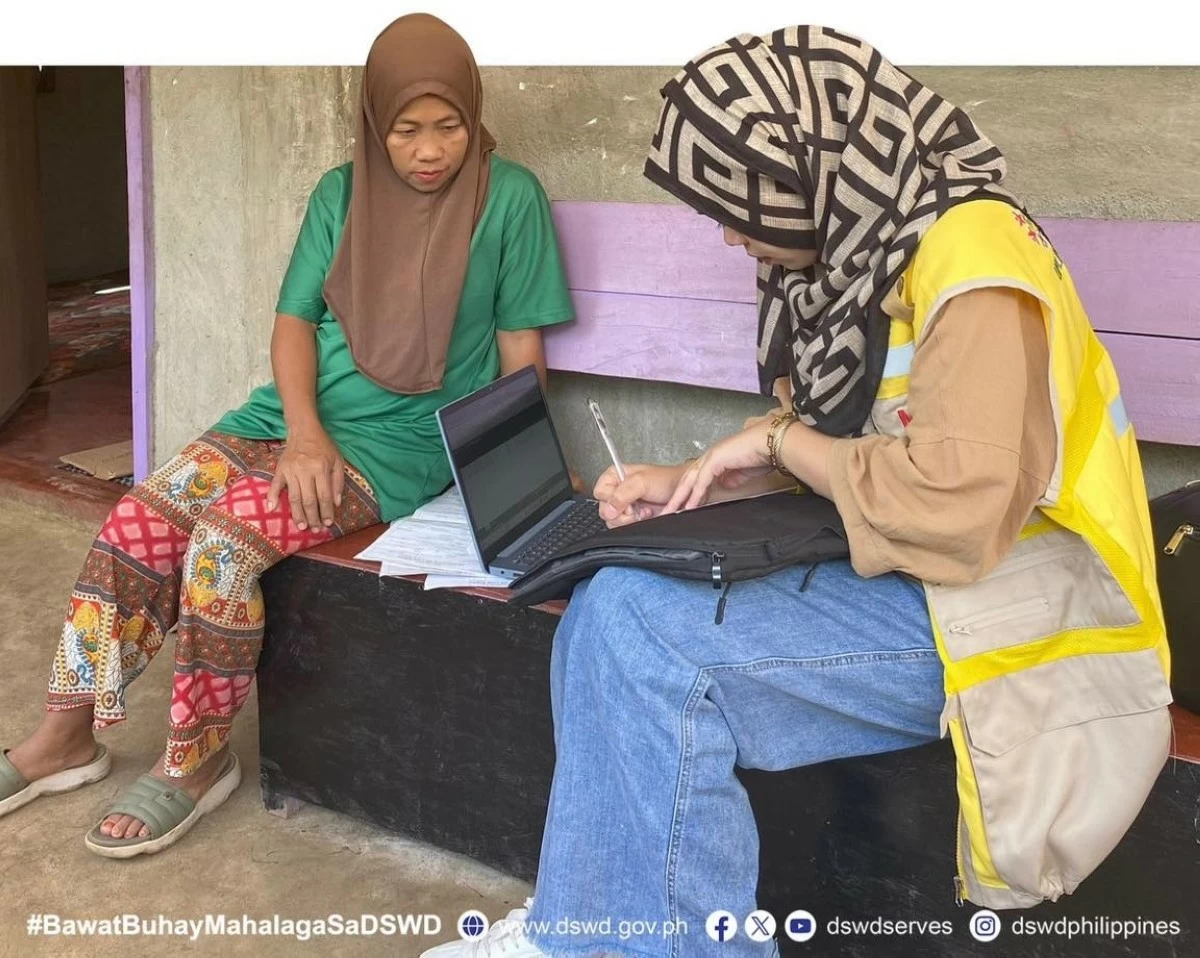
(DSWD PHOTO)
Using a data-driven assessment tool called “Social Welfare and Development Indicator” (SWDI), DSWD case workers evaluate the socioeconomic status of every 4Ps beneficiary to better guide them toward self-sufficiency.
“Ito yung tool na ginagamit ng case manager or ng ating social workers at city, municipal link para ma-assess ‘yung kasalukuyang estado ng isang pamilya. Ang sinusukat nito ay socioeconomic status, at isa sa mga tinitignan ay kung kaya ba ng mga pamilya na tugunan ‘yung pangangailangan nila (This is the tool used by case managers, our social workers, and city or municipal links to assess the current condition of a family. It measures their socioeconomic status, and one of the things it looks at is whether the family is capable of meeting their own needs),” DSWD-4Ps Social Marketing Division Chief Marie Grace Ponce said in a statement.
Each family’s case is documented through a household intervention plan, co-developed by the beneficiaries and DSWD case managers, to outline their specific goals and the steps needed to achieve them.
“Meron tayong tinatawag na case folder nila at household intervention plan. ‘Yung household intervention plan na ‘yan binubuo kasama ang pamilya (We have what we call a case folder and a household intervention plan. That household intervention plan is developed together with the family),” Ponce said.
“‘Yung mga beneficiaries natin, kina-capacitate at ini-empower namin ‘yung mga members natin na dapat sila ‘yung may pangarap, ‘yung mga households natin sila mismo magsasabi na, ‘Gusto ko umunlad, pero paano ako uunlad? Ano ‘yung mga hakbang na dapat gawin ko? Ano ‘yung tulong na kakailanganin ko?’ (We build the capacity of our beneficiaries and empower them to have their own aspirations. Our households themselves are the ones who say, ‘I want to improve my life, but how do I do that? What steps should I take? What kind of support will I need?’),” she added.
Ponce explained that the personalized plans allow the DSWD to link families with a wider range of government services, such as scholarships, skills training, or assistance in starting small businesses, which help them reduce dependence on government aid in the long term.
Launched in 2008 and institutionalized by Republic Act 11310 in 2019, the 4Ps is the government’s poverty reduction initiative.
It provides conditional cash transfers to poor households for up to seven years to support children’s health, nutrition, and education.