ADVERTISEMENT

DA eyes gradual return of rice import tariff to 35%

Published Jun 12, 2025 02:54 pm
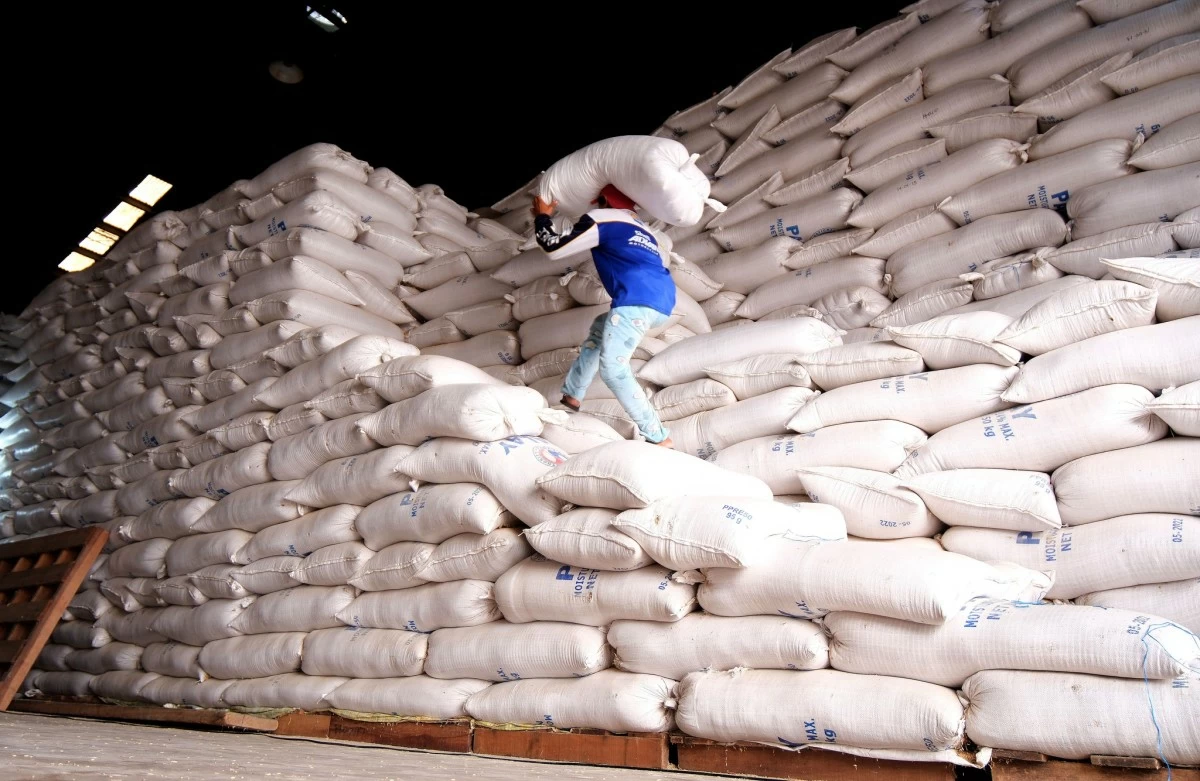
Department of Agriculture (DA) photo
The Department of Agriculture (DA) is in support of a recommendation from a House of Representatives panel to revert the rice tariff rate from 15 percent to 35 percent—on the condition that this will be implemented gradually.
During the final hearing of the House quinta committee on Wednesday, June 11, among its recommendations is to raise the tariff rate to its previous level, citing the need to safeguard local farmers from the entry of rice imports.
Agriculture Secretary Francisco Tiu Laurel said the agency is open to such a proposal but noted that the increase should be done in phases to minimize its impact on the rice market.
“Our suggestion is a gradual increase...eventually returning to the 35-percent duty,” he said during the hearing.
Laurel warned that an immediate hike in the rice import duty could disrupt the global rice trade, potentially driving up prices of the staple.
As the world’s largest rice importer, the Philippines plays a crucial role in shaping global rice prices over its demand and supply, and even policy shifts.
The United States Department of Agriculture (USDA) earlier projected that the country’s rice imports will rise to 5.5 million metric tons (MT) in the upcoming market year, exceeding the record-high of 4.8 million MT in 2024.
Laurel said he has since recommended to the Tariff Commission, the agency tasked to recommend and develop tariff policies, to ensure that future increases in the rice tariffs are implemented on a gradual basis.
Last year, President Ferdinand “Bongbong” Marcos Jr. signed Executive Order (EO) No. 62 to slash rice tariffs from 35 percent to 15 percent in a move to tame rice prices.
Under EO 62, the rate is subject to review every four months.
Cutting the rice tariff, alongside initiatives such as the maximum suggested retail price (MSRP), has seen prices of the commodity go down, contributing to the slowdown of inflation.
Agriculture groups, however, pointed out that lowering the tariff rate threatens the livelihood of farmers due to the influx of rice imports, with the government also losing billions of pesos in foregone revenues.
Last month, Laurel said the government would likely push for the retention of the 15-percent tariff rate in its scheduled review this month to avoid potential price increases.
He explained that raising the duty should coincide with the harvest seasons of the country’s major suppliers.
Vietnam, the largest supplier of rice to the Philippines, will have its harvest season around late September. Pakistan, another top exporter, is scheduled to harvest in December.

Related Tags

Department of Agriculture (DA) Francisco Tiu Laurel rice tariffs
ADVERTISEMENT
.most-popular .layout-ratio{ padding-bottom: 79.13%; } @media (min-width: 768px) and (max-width: 1024px) { .widget-title { font-size: 15px !important; } }

{{ articles_filter_1561_widget.title }}

.most-popular .layout-ratio{ padding-bottom: 79.13%; } @media (min-width: 768px) and (max-width: 1024px) { .widget-title { font-size: 15px !important; } }

{{ articles_filter_1562_widget.title }}

.most-popular .layout-ratio{ padding-bottom: 79.13%; } @media (min-width: 768px) and (max-width: 1024px) { .widget-title { font-size: 15px !important; } }

{{ articles_filter_1563_widget.title }}

{{ articles_filter_1564_widget.title }}

.mb-article-details { position: relative; } .mb-article-details .article-body-preview, .mb-article-details .article-body-summary{ font-size: 17px; line-height: 30px; font-family: "Libre Caslon Text", serif; color: #000; } .mb-article-details .article-body-preview iframe , .mb-article-details .article-body-summary iframe{ width: 100%; margin: auto; } .read-more-background { background: linear-gradient(180deg, color(display-p3 1.000 1.000 1.000 / 0) 13.75%, color(display-p3 1.000 1.000 1.000 / 0.8) 30.79%, color(display-p3 1.000 1.000 1.000) 72.5%); position: absolute; height: 200px; width: 100%; bottom: 0; display: flex; justify-content: center; align-items: center; padding: 0; } .read-more-background a{ color: #000; } .read-more-btn { padding: 17px 45px; font-family: Inter; font-weight: 700; font-size: 18px; line-height: 16px; text-align: center; vertical-align: middle; border: 1px solid black; background-color: white; } .hidden { display: none; }
function initializeAllSwipers() { // Get all hidden inputs with cms_article_id document.querySelectorAll('[id^="cms_article_id_"]').forEach(function (input) { const cmsArticleId = input.value; const articleSelector = '#article-' + cmsArticleId + ' .body_images'; const swiperElement = document.querySelector(articleSelector); if (swiperElement && !swiperElement.classList.contains('swiper-initialized')) { new Swiper(articleSelector, { loop: true, pagination: false, navigation: { nextEl: '#article-' + cmsArticleId + ' .swiper-button-next', prevEl: '#article-' + cmsArticleId + ' .swiper-button-prev', }, }); } }); } setTimeout(initializeAllSwipers, 3000); const intersectionObserver = new IntersectionObserver( (entries) => { entries.forEach((entry) => { if (entry.isIntersecting) { const newUrl = entry.target.getAttribute("data-url"); if (newUrl) { history.pushState(null, null, newUrl); let article = entry.target; // Extract metadata const author = article.querySelector('.author-section').textContent.replace('By', '').trim(); const section = article.querySelector('.section-info ').textContent.replace(' ', ' '); const title = article.querySelector('.article-title h1').textContent; // Parse URL for Chartbeat path format const parsedUrl = new URL(newUrl, window.location.origin); const cleanUrl = parsedUrl.host + parsedUrl.pathname; // Update Chartbeat configuration if (typeof window._sf_async_config !== 'undefined') { window._sf_async_config.path = cleanUrl; window._sf_async_config.sections = section; window._sf_async_config.authors = author; } // Track virtual page view with Chartbeat if (typeof pSUPERFLY !== 'undefined' && typeof pSUPERFLY.virtualPage === 'function') { try { pSUPERFLY.virtualPage({ path: cleanUrl, title: title, sections: section, authors: author }); } catch (error) { console.error('ping error', error); } } // Optional: Update document title if (title && title !== document.title) { document.title = title; } } } }); }, { threshold: 0.1 } ); function showArticleBody(button) { const article = button.closest("article"); const summary = article.querySelector(".article-body-summary"); const body = article.querySelector(".article-body-preview"); const readMoreSection = article.querySelector(".read-more-background"); // Hide summary and read-more section summary.style.display = "none"; readMoreSection.style.display = "none"; // Show the full article body body.classList.remove("hidden"); } document.addEventListener("DOMContentLoaded", () => { let loadCount = 0; // Track how many times articles are loaded const offset = [1, 2, 3, 4, 5, 6, 7, 8, 9, 10]; // Offset values const currentUrl = window.location.pathname.substring(1); let isLoading = false; // Prevent multiple calls if (!currentUrl) { console.log("Current URL is invalid."); return; } const sentinel = document.getElementById("load-more-sentinel"); if (!sentinel) { console.log("Sentinel element not found."); return; } function isSentinelVisible() { const rect = sentinel.getBoundingClientRect(); return ( rect.top < window.innerHeight && rect.bottom >= 0 ); } function onScroll() { if (isLoading) return; if (isSentinelVisible()) { if (loadCount >= offset.length) { console.log("Maximum load attempts reached."); window.removeEventListener("scroll", onScroll); return; } isLoading = true; const currentOffset = offset[loadCount]; window.loadMoreItems().then(() => { let article = document.querySelector('#widget_1690 > div:nth-last-of-type(2) article'); intersectionObserver.observe(article) loadCount++; }).catch(error => { console.error("Error loading more items:", error); }).finally(() => { isLoading = false; }); } } window.addEventListener("scroll", onScroll); });

Sign up by email to receive news.