






 Business
The Economy
Business group hails passage of 99-year foreign lease, right-of-way bills
Business
The Economy
Business group hails passage of 99-year foreign lease, right-of-way bills
Business group hails passage of 99-year foreign lease, right-of-way bills


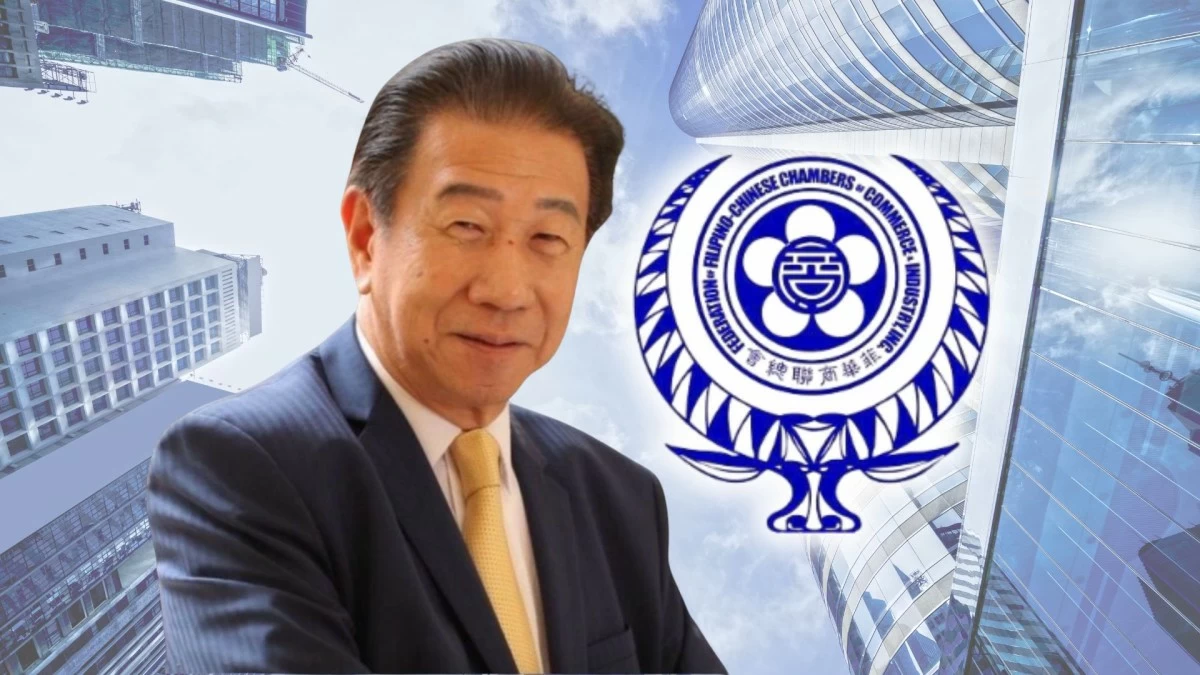
The Federation of Filipino Chinese Chambers of Commerce and Industry Inc. (FFCCCII) lauded Congress for approving economic reform bills that seek to extend the term of foreign leases to 99 years and streamline the rigorous right-of-way process.
FFCCCII, which comprises over 170 business and trade associations, said the two bills will help spur more foreign investments into the country and fast-track infrastructure projects that are a boon for the economy.
“These landmark legislative measures mark a decisive step forward in enhancing the Philippines’ economic dynamism, global competitiveness, and attractiveness as a prime investment destination,” the group said in a statement, signed by its president, Victor Lim.
Both the Senate and the House of Representatives earlier approved the bicameral conference committee reports embodying the reconciled versions of the two bills.
The two bills are identified as priority measures of the Marcos administration under the Legislative-Executive Development Advisory Council (LEDAC).
With their approval in both chambers of Congress, the final step is the president’s signature, which makes them law.
FFCCCII said the business community has long advocated for these measures given their transformative potential in unlocking new economic opportunities for the country.
The proposed 99-year lease bill, according to the group, will provide “much-needed stability and confidence” for investors looking to expand in the Philippines.
The bill seeks to extend the foreign leases in the country to 99 years from the current 75, aligning the Philippines with Singapore (99-year lease), Malaysia (99 years), and Indonesia (95 years).
FFCCCII earlier said that a 99-year lease would signal long-term security for investors, further attracting billion-dollar business ventures to invest in the country.
“This bill is a pledge to future generations: the Philippines can claim its place as Asia’s next growth titan. By embracing the reform of 99-year leases, we harness foreign capital for national progress while safeguarding our patrimony,” it said.
Meanwhile, the proposed Accelerated and Reformed Right-of-Way Act aims to expedite infrastructure projects that have long been plagued by issues related to right-of-way acquisitions.
By mitigating bureaucratic delays, FFCCCII stated that this bill will ensure the timely execution of projects aimed at enhancing transportation in the country.
In a previous statement, the group said introducing standardized valuation based on fair market principles, guaranteed funding for land acquisition, and structured resettlement programs are essential reforms to “break the cycle of failure” in the country’s infrastructure system.
“A modern ROW law ensures both fairness and efficiency—delivering prompt, just compensation while unlocking projects that will benefit generations,” it said.
With the near approval of the two measures, FFCCCII is calling for sustained focus on meaningful socio-economic reforms that promote inclusive prosperity, enhance ease of doing business, and improve the country’s position in global trade and investment networks.
“We encourage greater emphasis on trade, investments, and tourism promotion within the country’s diplomatic and political discourse, ensuring that economic diplomacy remains a cornerstone of our international engagements,” it added.