







Every June, flags deck lampposts in almost all major thoroughfares of every city in the country. Then, on June 12, every government office and public institution holds a ceremony raising the white, blue, and red, with its sun and stars high, to the martial tune of “Lupang Hinirang.” At Luneta, an arguably more special ceremony has traditionally been attended by the President of the Republic (save for last administration’s). At the Aguinaldo Shrine in Kawit, Cavite, something similar occurs, with a touch of history added by the reading of the Declaration of Independence first pronounced at the same house over a century ago. And let’s not forget the occasional parades here and there.
All in the past?
Asking the younger generation what Independence Day is all about
By Dom Galeon
Published Jun 12, 2025 12:05 am
|
Updated Jun 11, 2025 05:49 pm


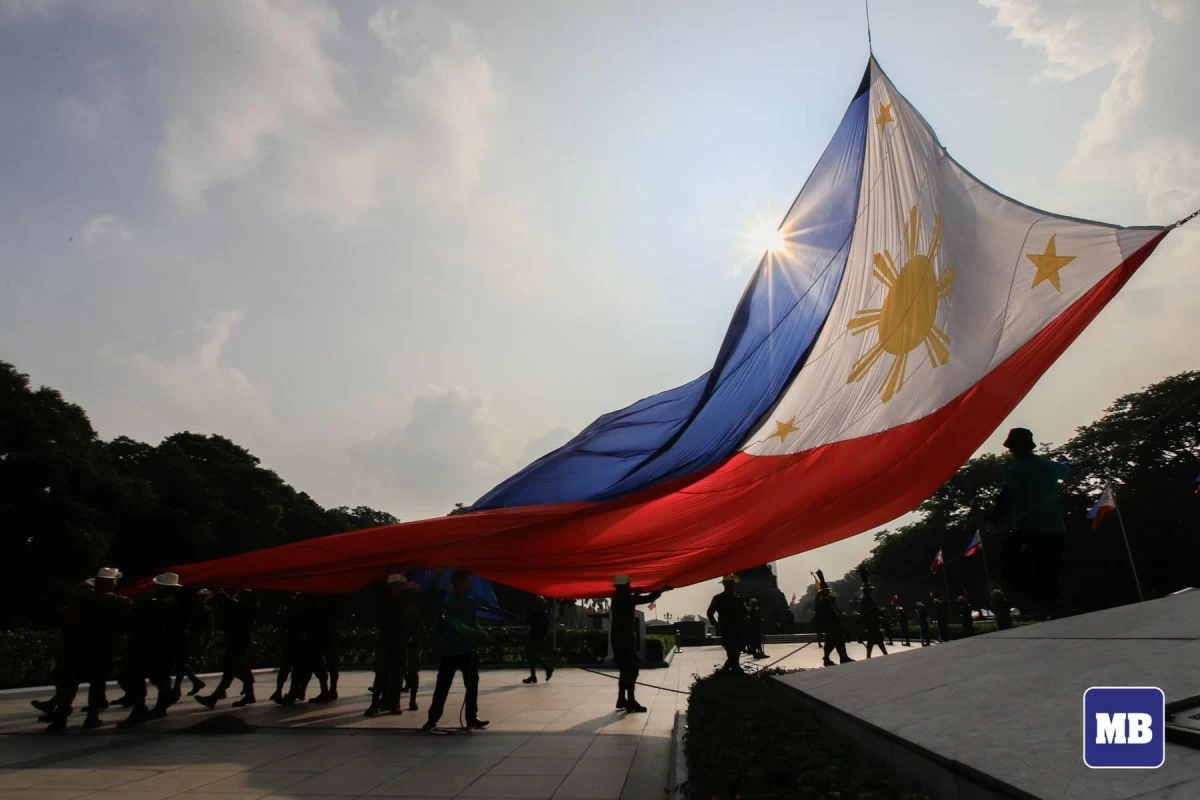
(Manila Bulletin file photo)
Yet, with all the fanfare associated with June 12, there is something lacking. Sure, the public celebrates because it is a holiday—and who doesn’t enjoy a good break from work and/or school? Then there’s the added bonus of free MRT and LRT rides for those whose jobs require them to work even on a holiday.
But has Independence Day all come to just that, as just another holiday break from work?
“I honestly don’t know,” a 27-year-old Filipina artist named Julia answered the Manila Bulletin in all sincerity, after being asked what Independence Day is for. Her answer reflects a sentiment that seems to be common among a younger generation of Filipinos. Independence Day has become just another holiday. Others even younger have even forgotten what the cost of this independence we now enjoy is.
Even more worrisome is how others have forgotten the point why this holiday is celebrated every June 12.
“I don’t know much about the whole history behind Independence Day, but I think it’s important,” a female senior high school student who wishes to remain anonymous tells the Manila Bulletin.
This, sadly, is a reflection of yet another issue: How the younger generations have a poor grasp of our nation’s history. It is a concern, one that can offer an explanation as to why historical events such as that of June 12 have become less and less important to the youth. After all, most Filipinos cease to participate in any Independence Day celebration once they finish basic education.
She adds, however, that the freedom we enjoy now is necessary for a better tomorrow. “Having this kind of freedom that we have now—although our present remains chained to our past—can lead to a more united future.”
There are others who raise a more positive point regarding the relevance of celebrating Independence Day. “Kung hindi natin nakamit ang ating kalayaan, hindi natin matatamasa ngayon ang halaga ng pagiging tunay na Pilipino at hindi natin mararanasang mabuhay ng mapayapa [If we did not become independent, we would not be able to attain the true value of what it means to be Filipino and what it means to live peacefully],” says SN2 Jan Rafael De Guzman, a twenty-something enlisted personnel from the Philippine Coast Guard.
“[It] is not just a day to remember but a day to give respect and honor to our brothers and sisters who fought and endured those hard times,” says Kyle, 28, from Bohol. “It is a day [to recognize] that we come from a bloodline of Filipinos who will always fight for our freedom.”
Nevertheless, one can argue that there is a need to do more. Independence Day should not just be “another holiday,” one that passes every year whether or not Filipinos do something about it. It is, after all, in the past, right? But it was in that past where Filipinos gained their present—in all its grime and glory. It is in that past, 127 years ago, that the Filipino started defining its identity. At the very least, Independence Day should stir in every Filipino a strong sense of pride.
“Shouldn’t we be celebrating our nation’s independence in more meaningful ways?” 26-year-old advertising executive Bill tells the Manila Bulletin. “Whether it’s by loving a part of our country, engaging in community service, supporting local businesses, or accepting ourselves more fully as Filipinos, we can make Independence Day a time to reconnect with our roots.”