







Tobacco and vape products contain toxic chemicals that can damage the heart, lungs, and other vital organs.
Protect next generation; act now against smoking, vaping
Published Jun 11, 2025 12:05 am
|
Updated Jun 10, 2025 06:08 pm


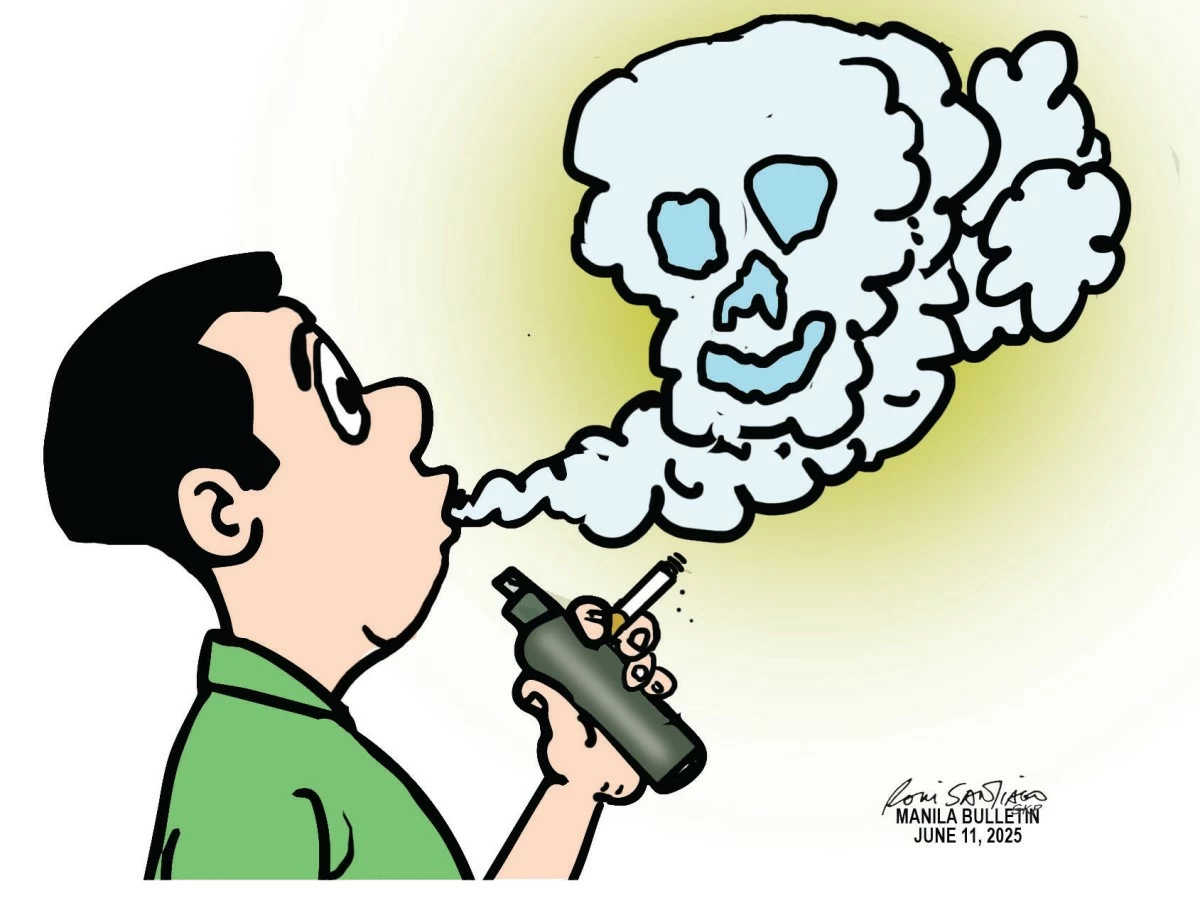
The Department of Health (DOH) issued this warning on the occasion of World No Tobacco Day late last month.
In fact, the World Health Organization (WHO) is calling on all governments around the world to urgently ban all flavors in tobacco and nicotine products, including cigarettes, pouches, hookahs and e-cigarettes, to protect the youth from addiction and disease.
“Flavors are fuelling a new wave of addiction, and should be banned,” said Dr. Tedros Adhanom Ghebreyesus, WHO director-general.
While the dangers of cigarette smoking have long been acknowledged, vaping is rising swiftly and silently as a grave threat before our eyes. What began as a purported alternative to smoking has now evolved into a widespread addiction, particularly among the youth. DOH Secretary Teodoro Herbosa warned vaping is not safer than smoking—in fact, it may be more harmful, especially in the hands of the young and vulnerable.
These calls must not be ignored. The illusion of safety surrounding vape products has led to complacency in regulation and enforcement, allowing these devices to become readily accessible, heavily marketed, and dangerously attractive to the youth. Sweet flavors, sleek packaging, and targeted social media content have made vaping a trend rather than a threat. But behind the flavored vapor are high levels of nicotine and toxic chemicals capable of damaging the heart, lungs, and brain.
With this health threat, it is incumbent upon the government to respond to this growing epidemic with the same urgency and firmness that it once applied to smoking. While we support moves to help businesses flourish, the government must act to save lives.
First, comprehensive regulations must be enacted to restrict the sale and marketing of vape products. Flavored e-liquids that appeal to minors must be banned. Sales should be limited to licensed retailers, with strict penalties imposed on those who sell to underage individuals. Vape shops should be prohibited from operating near schools and public spaces frequented by young people.
Second, there must be robust public education campaigns to counter misinformation. Many young Filipinos believe that vaping is harmless or even healthy. This false narrative must be corrected through science-based, emotionally impactful messaging across all media platforms. Just as anti-smoking campaigns once helped shift public perception, we must now confront the vaping culture head-on with honesty and clarity.
Moreover, the private sector has a crucial role to play. Employers can integrate anti-vaping education into workplace health initiatives. Schools can create safe, supportive spaces for students trying to quit. Retailers must exercise responsibility in choosing not to profit from harmful products, and technology platforms must ensure they are not enabling vape-related content to reach impressionable users.
Each individual has a role to play, too. Parents must be vigilant and open to dialogue with their children. Educators must champion health over habit. Faith leaders and community heads must speak out against the normalization of vaping. And young people, especially, must be empowered to resist peer pressure and marketing manipulation.
To those who are already addicted: know that it is never too late to quit. Recovery is possible, and support is available. What matters most is the decision to reclaim one’s health.
If we fail to act now, we risk losing an entire generation to addiction—one flavored puff at a time. The path forward demands decisive leadership, sustained commitment, and a collective resolve to protect every Filipino and every individual worldwide from the devastating consequences of tobacco and vape use.
The world’s future depends on the health of its people. Let us ensure that the future is not clouded in smoke.