






Are road crashes becoming more frequent, or is the prevalence of cellphone and dashcam use only highlighting their horrific regular occurance? One thing’s for sure, their resulting injuries and deaths are cause for alarm.
Manila Bulletin
 Drive
PMVICs report 45% of inspected vehicles failed brake test, 37% with defective headlights
Drive
PMVICs report 45% of inspected vehicles failed brake test, 37% with defective headlights
Drive
PMVICs report 45% of inspected vehicles failed brake test, 37% with defective headlights
PMVICs report 45% of inspected vehicles failed brake test, 37% with defective headlights
Inspection centers push for vehicle testing to mitigate rising road crashes
By Inigo Roces
Published Jun 11, 2025 08:56 am


At A Glance
- VICOAP cites 2024 data where 45.1% of vehicles tested in member facilities failed brake tests, 37.3% had defective headlights, 9.2% failed alignment (sideslip) tests, 5.3% had speedometer issues, and 3.1% did not pass emission standards.
- Amid the seemingly rising frequency of road crashes, the Vehicle Inspection Center Operators Association of the Philippines (VICOAP) continues its advocacy for vehicle inspection prior to registration renewal as a cornerstone of proactive road safety.
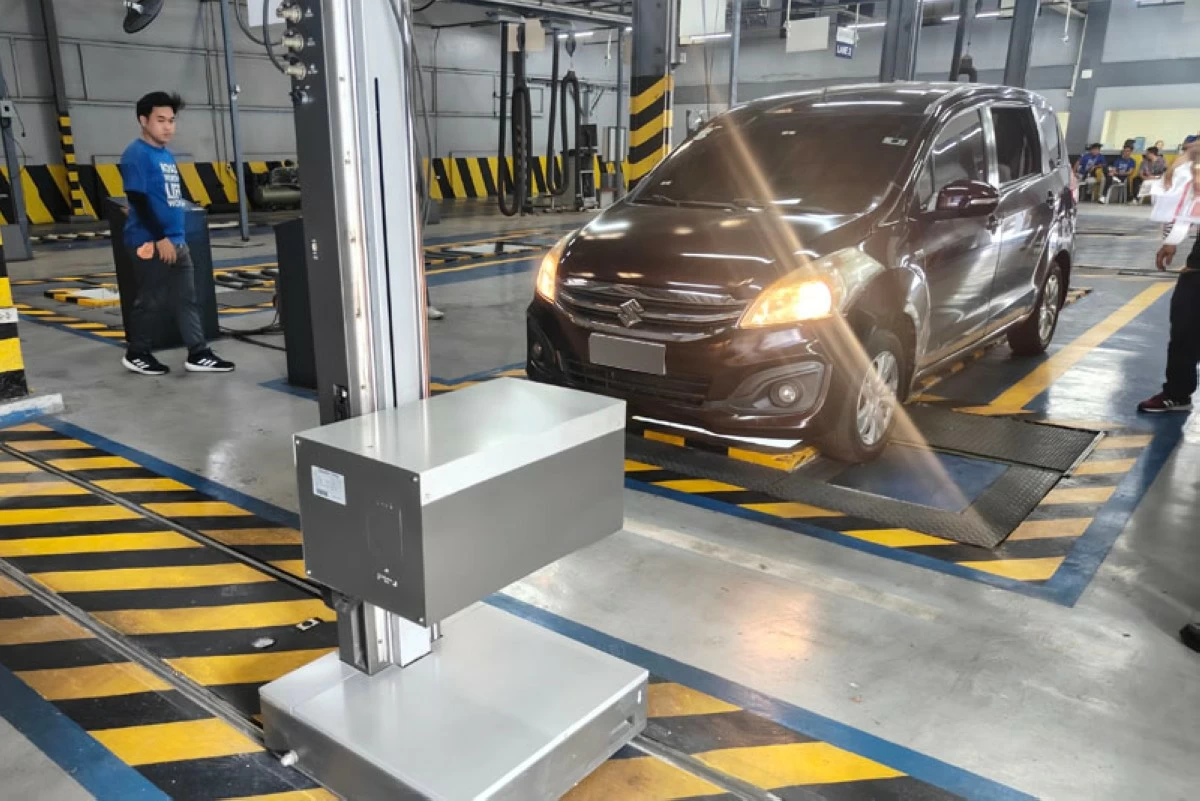
Headlight beam alignment and intensity is tested with a highly precise instrument to ensure it doesn't glare oncoming vehicles.
With renewed national concern around road safety, the Vehicle Inspection Center Operators Association of the Philippines (VICOAP) brought together members of the local motoring media in a roundtable discussion titled “Driving the Future: A Behind-the-Scenes Look at VICOAP and PMVICs.”
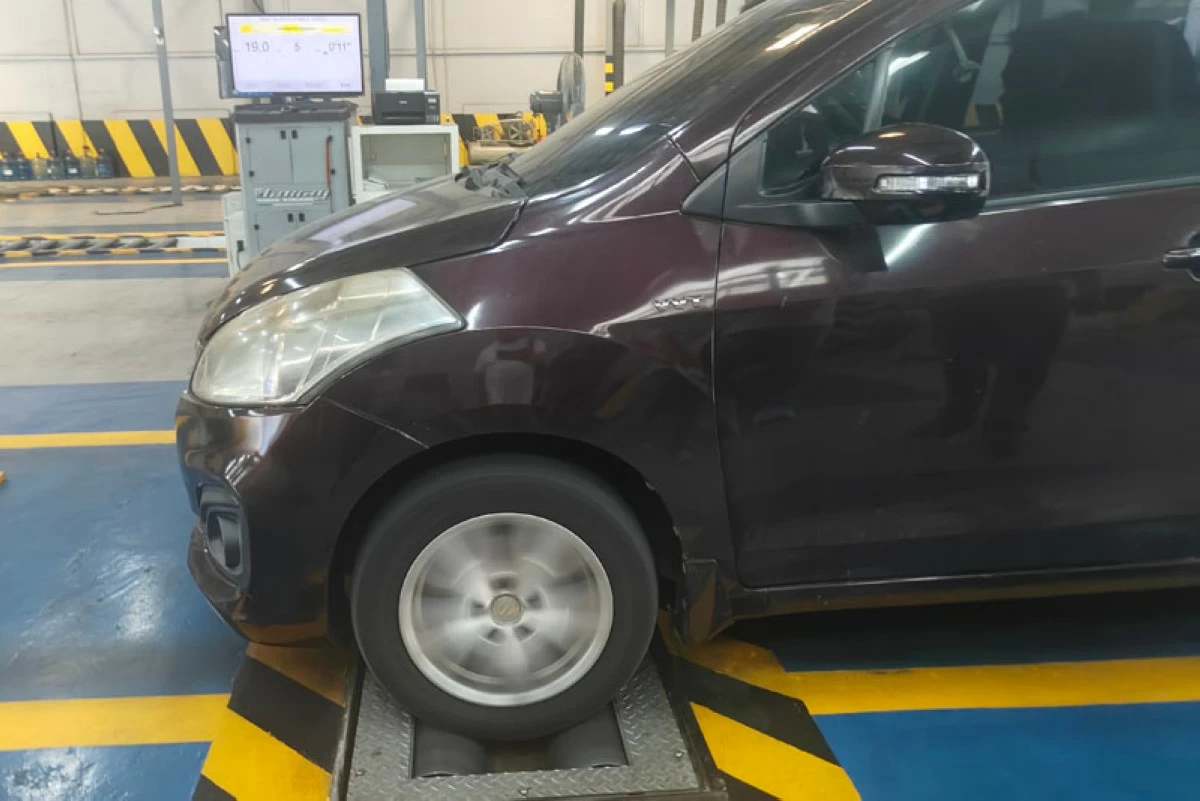
A vehicle's grip, braking capability, and suspension integrity are being tested.
During this roundtable, VICOAP extended their deepest sympathies to the families affected by recent accidents. However, they also highlighted that these tragedies are sobering reminders that the safety of every Filipino on the road must be a shared responsibility — and prevention must be at the heart of it.
The roundtable, held in observance of Road Safety Month this May, highlighted VICOAP’s continued advocacy for vehicle inspection as a cornerstone of proactive road safety.
“More than 13,000 lives are lost annually to road crashes in the Philippines. While many factors are at play, roadworthiness is one we can actively manage—starting with thorough and consistent vehicle inspections,” said Atty. Lester G. Cavestany, VICOAP Spokesperson. “Our goal is to raise awareness that inspections aren’t just a requirement — they’re a tool to save lives.”
Alarming statistics
VICOAP cited data from 2024 that revealed key risk areas that inspections help identify. Based on its members’ findings from vehicles submitted for inspection in their member facilities, 45.1% of vehicles failed brake tests, 37.3% had defective headlights, 9.2% failed alignment (sideslip) tests, 5.3% had speedometer issues, and 3.1% did not pass emission standards.
“These numbers aren’t just statistics. They’re early warnings that, if ignored, could result in preventable accidents,” said Atty. Lester. “Our data helps inform policy and educate the public about recurring risks on our roads.”
Vital for roadworthiness
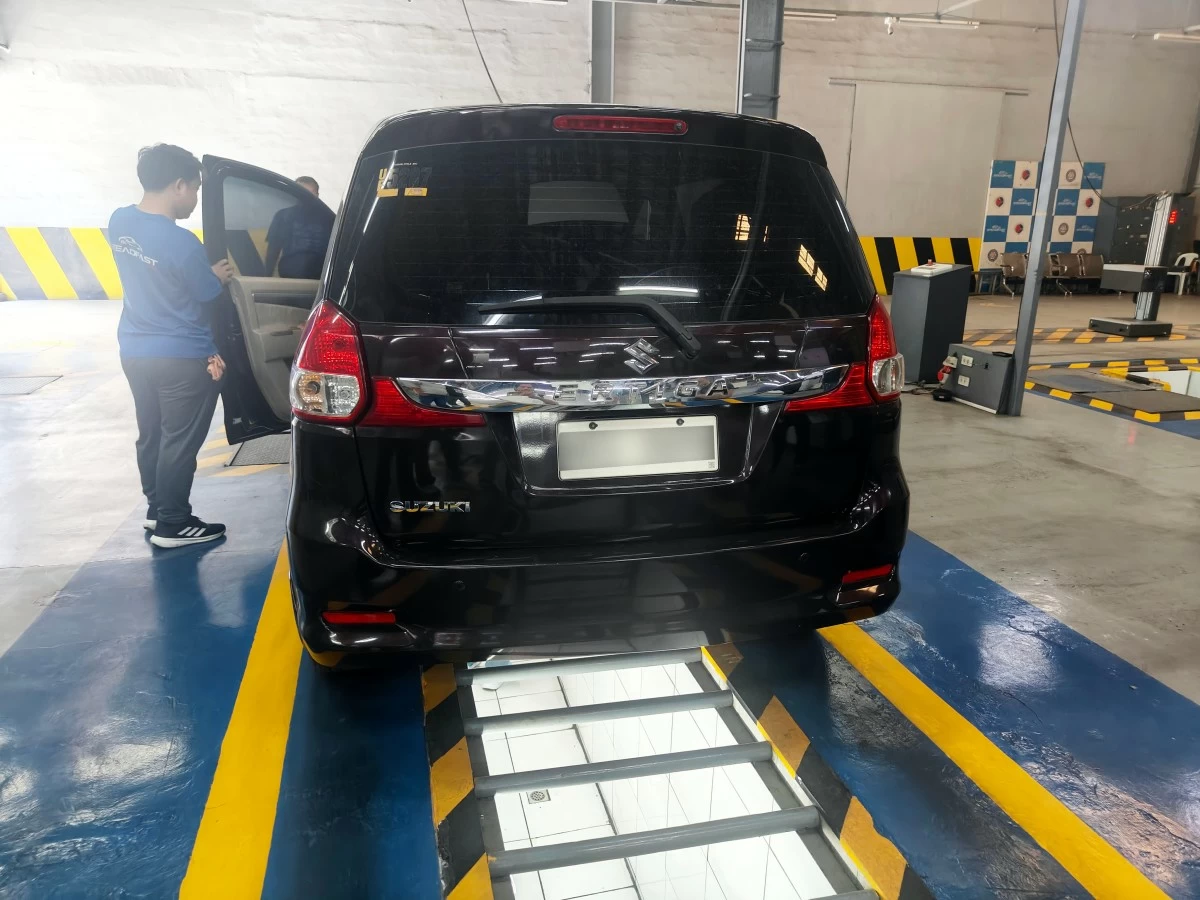
A vehicle's instruments and even its underside are inspected as part of the standard procedure.
Founded in 2020 to support the Department of Transportation’s road safety strategy, VICOAP is a non-profit organization composed of accredited Private Motor Vehicle Inspection Centers (PMVICs) and industry stakeholders.
Back then, Private Motor Vehicle Inspection Centers (PMVICs) were envisioned to be a mandatory part of the vehicle registration renewal process, serving as a means to prevent vehicles that were not worthy from being allowed to operate. Unfortunately, the move was met with strong resistance from the public and several lawmakers, resulting in the current optional vehicle inspection prior to registration we have today.
Meeting the nation’s needs
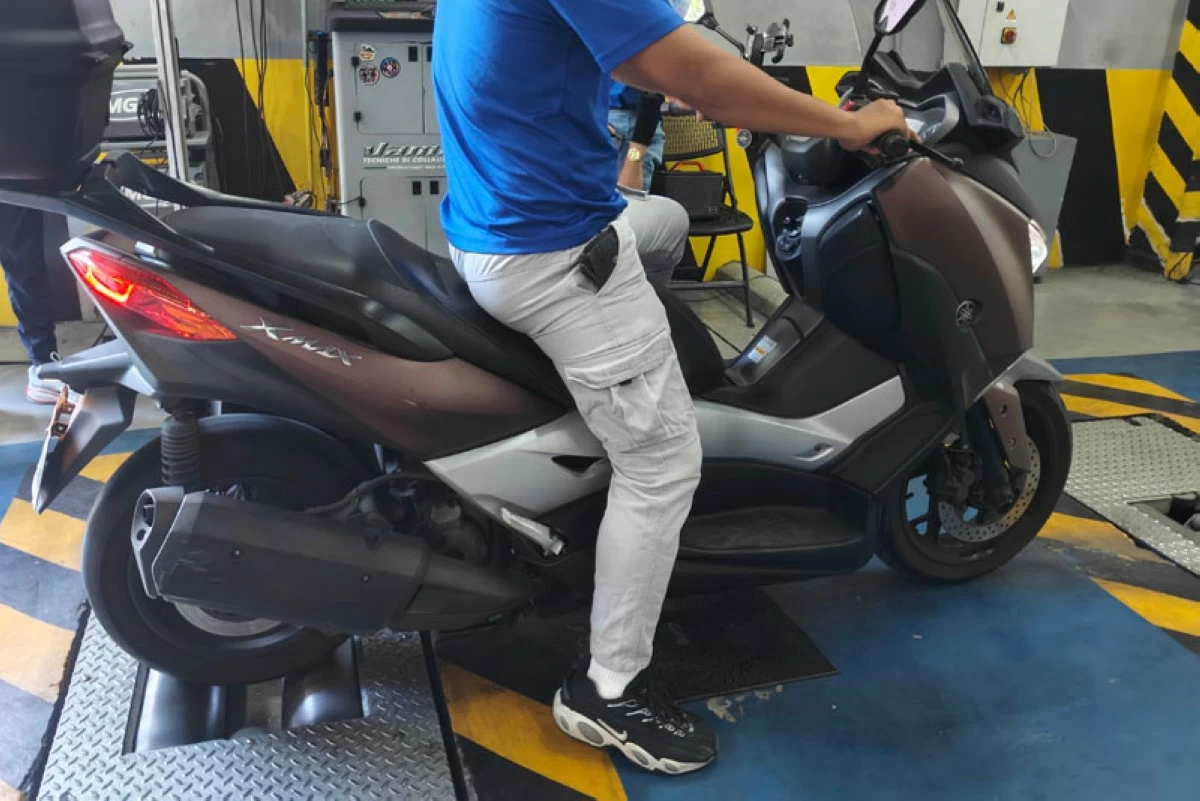
A motorcycle's grip, braking capability, and suspension integrity are being tested.
Nonetheless, VICOAP has soldiered on with its advocacy of making regular vehicle inspection a cornerstone of road safety. At its infancy, many motorists have complained of the lack of PMVICs close to them. This has been addressed with the many new facilities that are now operational. Today, over 130 PMVICs operate nationwide — 80 of which are VICOAP members — collectively servicing more than 2-million vehicles each year. This allows the group to easily service a large majority of the vehicles that need to be checked annually before registration renewal.
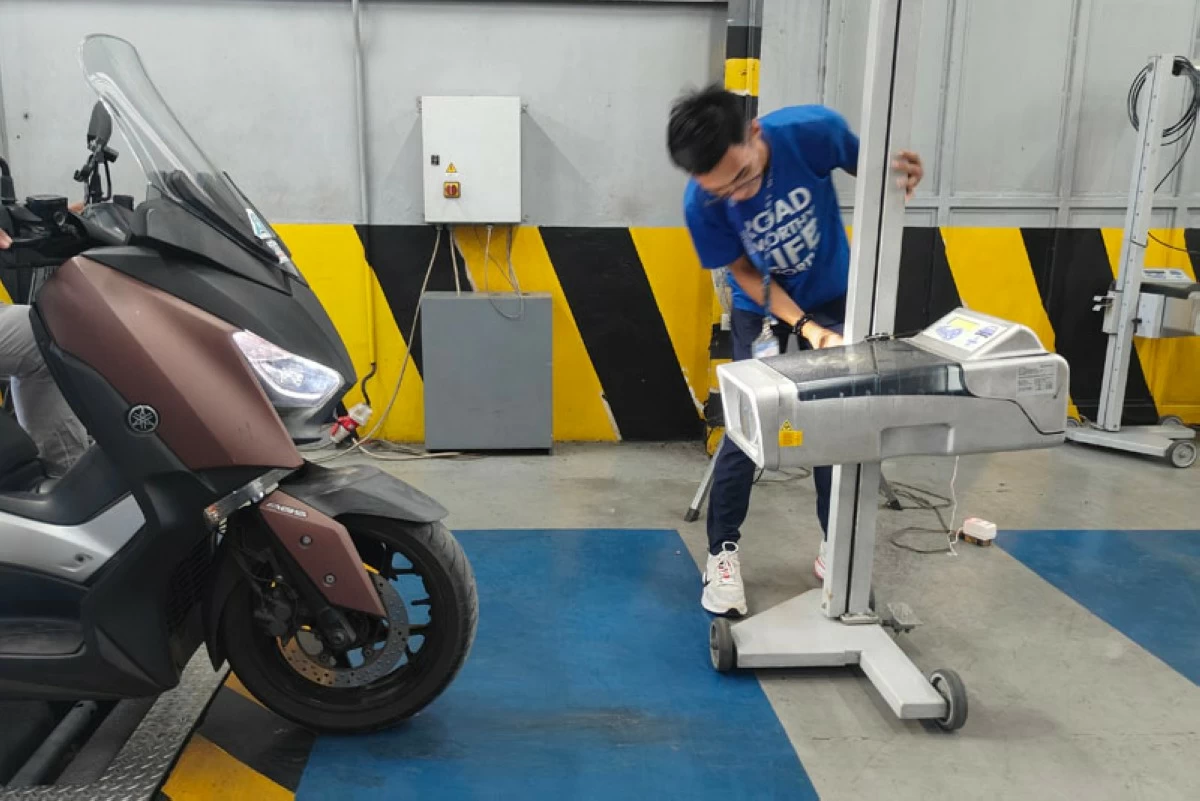
Headlight beam alignment and intensity is tested with a highly precise instrument to ensure it doesn't glare oncoming vehicles.
At the event, VICOAP provided an inside look at the automated and globally benchmarked 60+ point inspection process, which covers critical safety systems such as brake integrity, headlight and lighting function, suspension and sideslip (wheel alignment), speedometer accuracy, and vehicle emission levels.
Precision and fairness
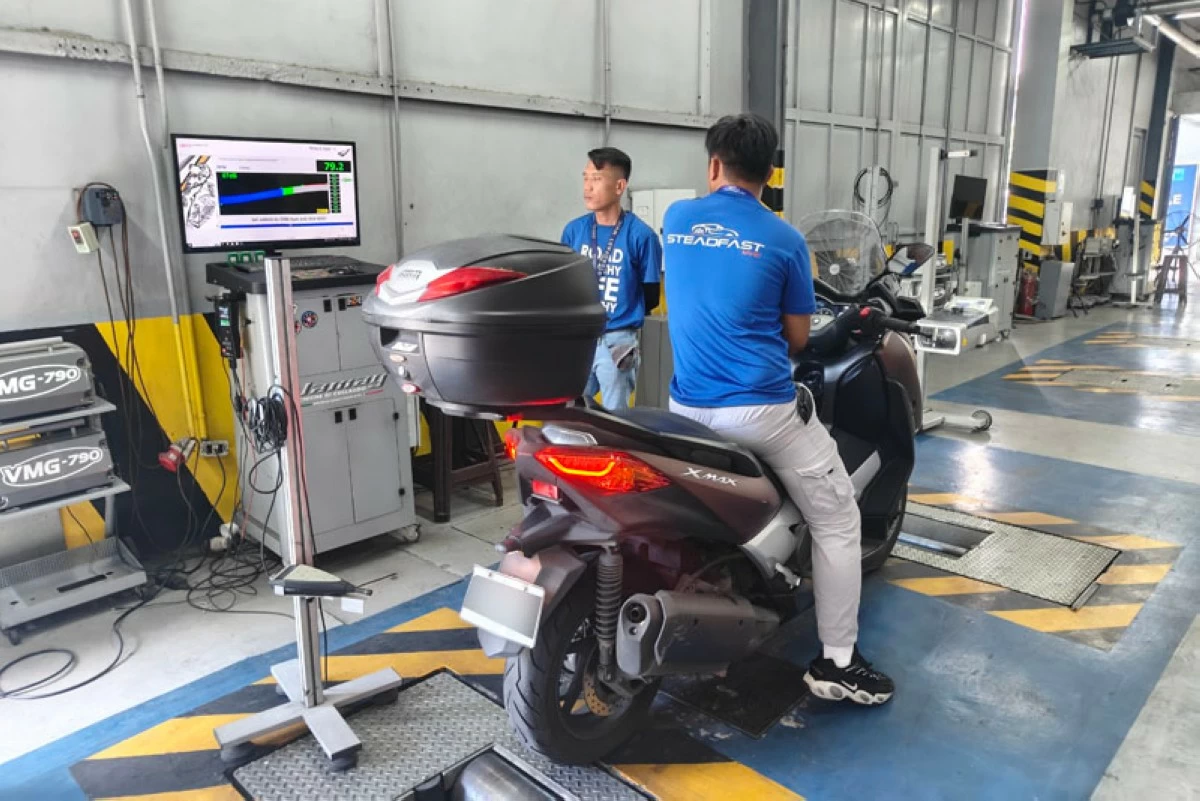
A motorcycle's exhaust note is tested with a decibel meter to ensure it meets the regulated volume.
VICOAP emphasized that PMVICs use fully automated systems to ensure fairness, accuracy, and integrity, removing human discretion from the inspection process. These systems also contribute to valuable datasets that help identify broader road safety trends across the country.
While VICOAP does not regulate or enforce inspection policy, it plays a vital role in supporting science-based standards and educating the public on vehicle safety. Through ongoing dialogue with the government, the transport sector, and the media, VICOAP aims to help build a culture of prevention and accountability on the road.
“Road safety doesn’t begin when we buckle our seatbelts. It starts before the engine is even turned on,” Atty. Lester added. “This is the message we hope to drive forward —with urgency, compassion, and credibility.”
Through the organization’s initiatives, VICOAP reaffirms its commitment to being an ally in the movement toward safer Philippine roads — by making science-backed, data-driven vehicle inspections a tool not of burden, but of protection.
While submitting your vehicle for inspection at PMVIC is not a requirement for registration renewal, VICOAP recommends all motorists to undergo this test. The inspection process is priced close to the standard emissions test, but offers motorists so much more feedback on the state of their vehicles. Vehicles that fail the test may have the problematic aspects repaired and can return for a free re-test. This ensures that motorists are encouraged to address their vehicles’ issues in a timely manner.