






Senate President Francis “Chiz” Escudero defended the Senate’s decision to return the Articles of Impeachment against Vice President Sara Duterte to the House of Representatives without dismissing the case, saying it was within the powers and discretion of the Senate sitting as an impeachment court.
Manila Bulletin
 Philippines
National
'Not equals': Escudero says House can't defy Senate impeachment court's orders
Philippines
National
'Not equals': Escudero says House can't defy Senate impeachment court's orders
Philippines
National
'Not equals': Escudero says House can't defy Senate impeachment court's orders
'Not equals': Escudero says House can't defy Senate impeachment court's orders
By Dhel Nazario
Published Jun 11, 2025 02:37 pm


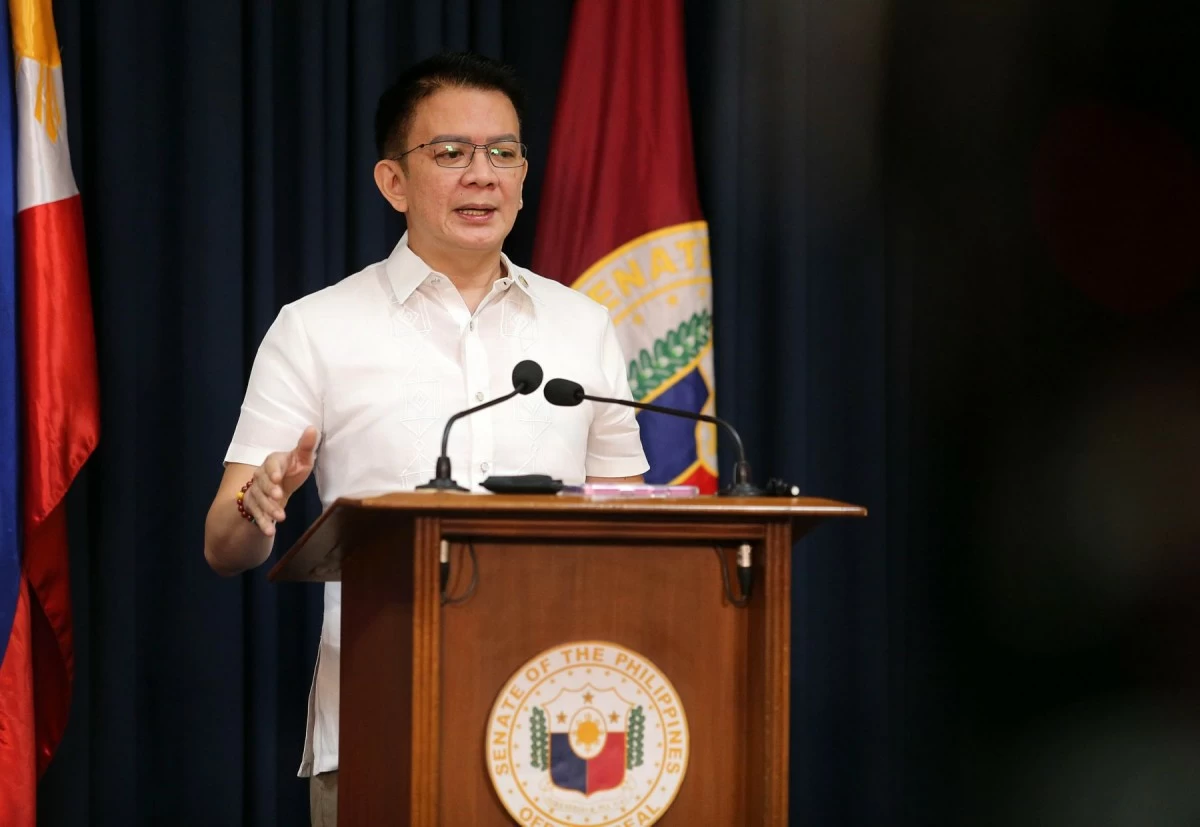
In a press conference following the controversial 18-5-0 vote on Wednesday, June 11, Escudero addressed concerns about the possible implications of the Senate's action, especially if the House chooses not to comply. Asked what would happen if the House rejects the returned articles, Escudero was clear: the Senate, in this context, functions as a court, not a co-equal body in impeachment proceedings.
“Hindi kami magkapantay pagdating sa bagay na ito (We are not on equal footing when it comes to this matter),” Escudero said. “Sa parte ng impeachment, Korte ang Senado, prosecutor ang Kamara. Wala sa lugar para sa akin ang Kamara na hindi sumunod sa ipinaguutos ng impeachment court (In impeachment proceedings, the Senate is the court, and the House is the prosecutor. In my view, it is not within the House’s place to disregard the orders of the impeachment court).”
He emphasized that, unlike bicameral conference committees, where both chambers must agree, impeachment is a unique constitutional process in which the House acts as the prosecution and the Senate acts as the court. Thus, the Senate’s directive to return the articles is not a negotiation but a judicial instruction.
Escudero also tackled criticism that the Senate may be overstepping by questioning the validity of the House process. He clarified that while the Supreme Court has the final word on matters of constitutionality, that doesn’t mean senators acting as judges cannot voice concerns or raise legal issues.
“Dapat buong galang nating tinatanggap at pinapahintulutan ‘yon. ‘Yan ang ibig sabihin ng pagiging isang deliberative body (We must respectfully accept and allow that. That is what it means to be a deliberative body),” he said. “Siyempre malaya naming pwedeng pagdebatihan ‘yan (Naturally, we have the freedom to deliberate and debate on that matter).”
He also defended the right of any senator-judge to file motions, including potentially dismissing the case—a move some critics argue should be left to the parties involved. Escudero challenged this view, asking whether the Senate rules explicitly prohibit such actions.
“Wala namang pagbabawal,” he said, reiterating that motions, even those from senator-judges, can be filed and must be voted on by the body.
When asked about impartiality, especially since senators took an oath to do “impartial justice,” Escudero acknowledged the political realities of the Senate but noted that there is a process for recusal as senator-judges. However, he clarified that the decision to recuse remains with the individual senator, not subject to a vote or forced removal.
“Hindi ‘yan subject matter of vote. Hindi ‘yan pwedeng pagbotohan na, ‘ikaw tanggal ka na (That’s not a subject for a vote. You can’t just hold a vote and say, ‘You’re out),’” he explained.
The Senate’s decision to return the impeachment articles, without outright rejecting or terminating the case, marks a rare procedural move that has further fueled speculation about the political dynamics behind the impeachment of Vice President Duterte.
As of now, the ball is back in the House’s court — and the nation watches how Speaker Ferdinand Martin Romualdez and the lower chamber will respond.
Meanwhile, the Office of the Vice President (OVP) has confirmed receipt of the summons from the impeachment court.
On the other hand, Escudero also wrote a letter to Romualdez stating that the presentation of the Articles of Impeachment which was scheduled for June 11, 2025 has been rendered moot and thereby, cancelled.