ADVERTISEMENT

Why the US-made NMESIS, Typhon missiles are still not pulled out of PH

Published Jun 10, 2025 03:31 pm
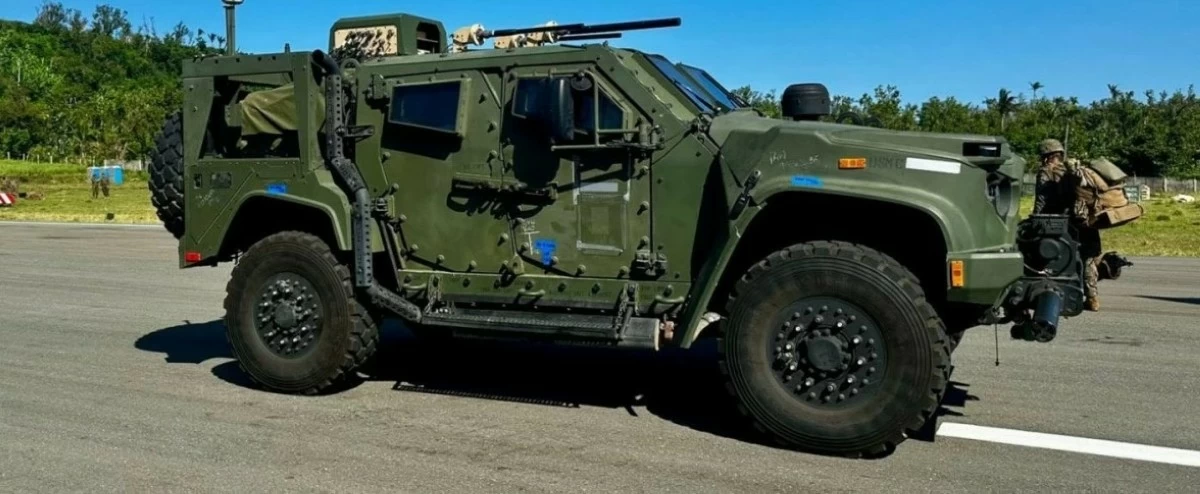
The Navy-Marine Expeditionary Ship Interdiction System (NMESIS), a US-made anti-ship missile system, is deployed to the Philippines during the Balikatan Exercises on April 26, 2025. (Photo: Armed Forces of the Philippines)

The Navy-Marine Expeditionary Ship Interdiction System (NMESIS), a United States-developed anti-ship missile, and the Typhon mid-range capability (MRC) are still on Philippine soil after being deployed in the country for major military exercises, the Philippine Navy (PN) and Philippine Army (PA) revealed Tuesday, June 10.

PN spokesperson Captain John Percie Alcos said the NMESIS will continue to be used by the Philippine Marine Corps (PMC) for training purposes, particularly because the Navy intends to buy a similar weapons platform as part of its modernization.

“This is to confirm that the Navy-Marine Expeditionary Ship Interdiction System is still within the country and it will continue to be used by the Philippine Marine Corps for training purposes,” Alcos announced in a press briefing in Fort Bonifacio, Taguig City. 

Alcos did not disclose further details as to the exact location of the missile system “due to operational security,” but added that it will remain in the country “for as long as training opportunities are still there for us.”
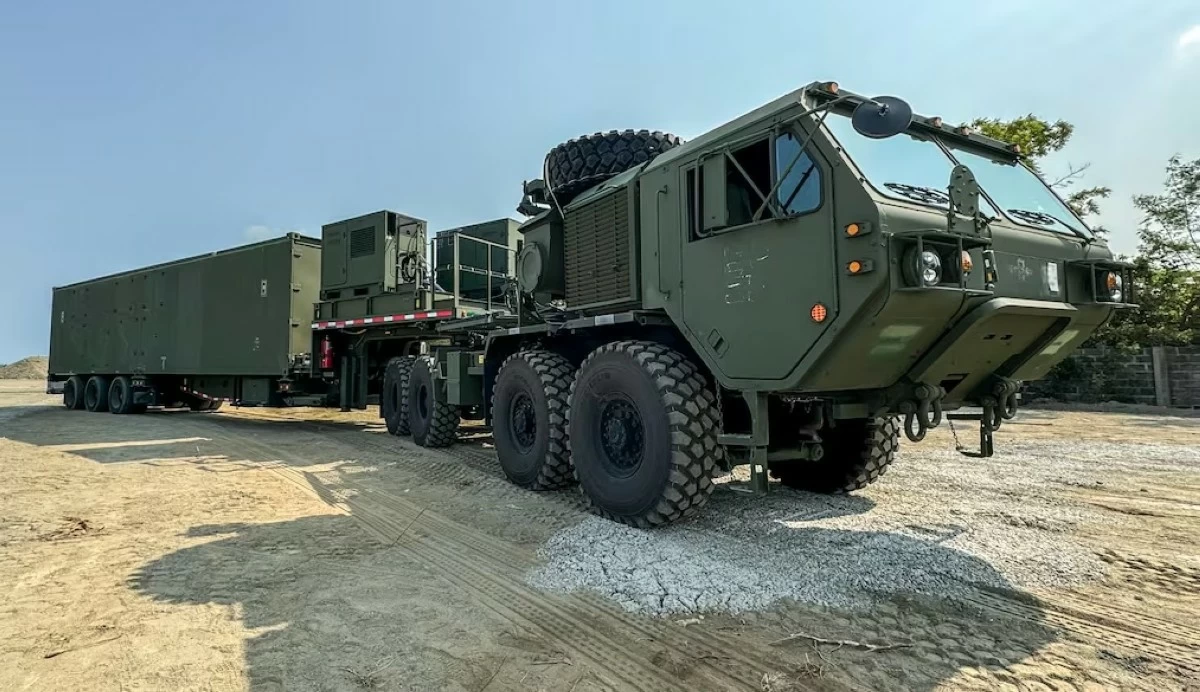
The Typhon mid-range capability launcher arrives in Northern Luzon,in April 2024. (Photo: Capt. Ryan DeBooy/US Army)

Meanwhile, Lt. Gen. Roy Galido, PA commanding general, said his troops are also taking advantage of the Typhon’s presence to gain knowledge of how it is being used and maintained.

“It's still here. We are still learning, we're still training just like any equipment you have. You just don't learn it one time. You have to be well-versed with the equipment,” he said.

The NMESIS, a mobile and ground-based missile system, was deployed in Batanes for this year;s Balikatan Exercises from April 21 to May 9. It was also used during the Kamandag Exercise from May 26 to June 6.

“For safety reasons, they were not able to fire the NMESIS. However, we simulated the firing so we were able to make the most out of the training opportunity of having the NMESIS here,” Alcos said.

Aside from that, the Marines were also able to test the interoperability of the American missile system with its 105 and 155-millimeter howitzers.

According to Alcos, the NMESIS – which can strike surface vessels from land-based positions and has a range of 100 nautical miles – will be helpful if amphibious raids or amphibious landings are planned against the Philippines.

For this reason, the Navy is keen on acquiring a similar medium-range anti-ship missile system.

“We have already submitted the list of capabilities that [are] critical and crucial for the Philippine Navy to higher headquarters and the Department of National Defense,” Alcos said.

China, which has a territorial row with the Philippines in the West Philippine Sea, previously criticized the deployment of US assets to the Philippines such as the NMESIS and Typhon, saying it might trigger an arms race and undermines regional stability.

In response, Alcos stressed that the presence of NMESIS in the country is only a deterrent to forces “who intend to conduct illegal, coercive, aggressive and deceptive actions against the Philippines.”

“Otherwise, it's just a military equipment that we use for training,” the PN spokesperson said.

Meanwhile, the Typhon MRC, was deployed in April 2024 for the Salaknib Exercise of the Army.

“The result of our learnings of Typhon is great. We have learned a lot and it's more than that,” he said.

Galido said they identified that Typhon was one of their requirements for the Army to project its force in accordance with the Comprehensive Archipelagic Defense Concept.

“It's still our desire to have one and we have proposed to have similar, if not that platform, within the inventory of the Army,” the Army chief said.

Related Tags

NMESIS Typhon PH-US AFP Philippine Navy Marines Philippine Army
ADVERTISEMENT
.most-popular .layout-ratio{ padding-bottom: 79.13%; } @media (min-width: 768px) and (max-width: 1024px) { .widget-title { font-size: 15px !important; } }

{{ articles_filter_1561_widget.title }}

.most-popular .layout-ratio{ padding-bottom: 79.13%; } @media (min-width: 768px) and (max-width: 1024px) { .widget-title { font-size: 15px !important; } }

{{ articles_filter_1562_widget.title }}

.most-popular .layout-ratio{ padding-bottom: 79.13%; } @media (min-width: 768px) and (max-width: 1024px) { .widget-title { font-size: 15px !important; } }

{{ articles_filter_1563_widget.title }}

{{ articles_filter_1564_widget.title }}

.mb-article-details { position: relative; } .mb-article-details .article-body-preview, .mb-article-details .article-body-summary{ font-size: 17px; line-height: 30px; font-family: "Libre Caslon Text", serif; color: #000; } .mb-article-details .article-body-preview iframe , .mb-article-details .article-body-summary iframe{ width: 100%; margin: auto; } .read-more-background { background: linear-gradient(180deg, color(display-p3 1.000 1.000 1.000 / 0) 13.75%, color(display-p3 1.000 1.000 1.000 / 0.8) 30.79%, color(display-p3 1.000 1.000 1.000) 72.5%); position: absolute; height: 200px; width: 100%; bottom: 0; display: flex; justify-content: center; align-items: center; padding: 0; } .read-more-background a{ color: #000; } .read-more-btn { padding: 17px 45px; font-family: Inter; font-weight: 700; font-size: 18px; line-height: 16px; text-align: center; vertical-align: middle; border: 1px solid black; background-color: white; } .hidden { display: none; }
function initializeAllSwipers() { // Get all hidden inputs with cms_article_id document.querySelectorAll('[id^="cms_article_id_"]').forEach(function (input) { const cmsArticleId = input.value; const articleSelector = '#article-' + cmsArticleId + ' .body_images'; const swiperElement = document.querySelector(articleSelector); if (swiperElement && !swiperElement.classList.contains('swiper-initialized')) { new Swiper(articleSelector, { loop: true, pagination: false, navigation: { nextEl: '#article-' + cmsArticleId + ' .swiper-button-next', prevEl: '#article-' + cmsArticleId + ' .swiper-button-prev', }, }); } }); } setTimeout(initializeAllSwipers, 3000); const intersectionObserver = new IntersectionObserver( (entries) => { entries.forEach((entry) => { if (entry.isIntersecting) { const newUrl = entry.target.getAttribute("data-url"); if (newUrl) { history.pushState(null, null, newUrl); let article = entry.target; // Extract metadata const author = article.querySelector('.author-section').textContent.replace('By', '').trim(); const section = article.querySelector('.section-info ').textContent.replace(' ', ' '); const title = article.querySelector('.article-title h1').textContent; // Parse URL for Chartbeat path format const parsedUrl = new URL(newUrl, window.location.origin); const cleanUrl = parsedUrl.host + parsedUrl.pathname; // Update Chartbeat configuration if (typeof window._sf_async_config !== 'undefined') { window._sf_async_config.path = cleanUrl; window._sf_async_config.sections = section; window._sf_async_config.authors = author; } // Track virtual page view with Chartbeat if (typeof pSUPERFLY !== 'undefined' && typeof pSUPERFLY.virtualPage === 'function') { try { pSUPERFLY.virtualPage({ path: cleanUrl, title: title, sections: section, authors: author }); } catch (error) { console.error('ping error', error); } } // Optional: Update document title if (title && title !== document.title) { document.title = title; } } } }); }, { threshold: 0.1 } ); function showArticleBody(button) { const article = button.closest("article"); const summary = article.querySelector(".article-body-summary"); const body = article.querySelector(".article-body-preview"); const readMoreSection = article.querySelector(".read-more-background"); // Hide summary and read-more section summary.style.display = "none"; readMoreSection.style.display = "none"; // Show the full article body body.classList.remove("hidden"); } document.addEventListener("DOMContentLoaded", () => { let loadCount = 0; // Track how many times articles are loaded const offset = [1, 2, 3, 4, 5, 6, 7, 8, 9, 10]; // Offset values const currentUrl = window.location.pathname.substring(1); let isLoading = false; // Prevent multiple calls if (!currentUrl) { console.log("Current URL is invalid."); return; } const sentinel = document.getElementById("load-more-sentinel"); if (!sentinel) { console.log("Sentinel element not found."); return; } function isSentinelVisible() { const rect = sentinel.getBoundingClientRect(); return ( rect.top < window.innerHeight && rect.bottom >= 0 ); } function onScroll() { if (isLoading) return; if (isSentinelVisible()) { if (loadCount >= offset.length) { console.log("Maximum load attempts reached."); window.removeEventListener("scroll", onScroll); return; } isLoading = true; const currentOffset = offset[loadCount]; window.loadMoreItems().then(() => { let article = document.querySelector('#widget_1690 > div:nth-last-of-type(2) article'); intersectionObserver.observe(article) loadCount++; }).catch(error => { console.error("Error loading more items:", error); }).finally(() => { isLoading = false; }); } } window.addEventListener("scroll", onScroll); });

Sign up by email to receive news.