ADVERTISEMENT

Turning the tide on HIV: A call for responsible action

Published Jun 10, 2025 12:05 am
The Department of Health (DOH) has sounded the alarm. The Philippines is facing a silent but escalating crisis in public health — a surge in HIV cases, particularly among teenagers and young adults. The country now has one of the fastest-growing HIV epidemics in the Asia-Pacific region, a troubling trend that demands urgent and coordinated action.
At the heart of the issue is a disturbing rise in high-risk behaviors, including unprotected sex, casual encounters arranged through dating apps, and the widespread consumption of online pornography. These are compounded by a lack of comprehensive sexual education, peer pressure, and an environment where discussions on sexual health are often still considered taboo. For many young Filipinos, the digital world has become a space of unfiltered exposure and unchecked influence — a fertile ground for risk and misinformation.
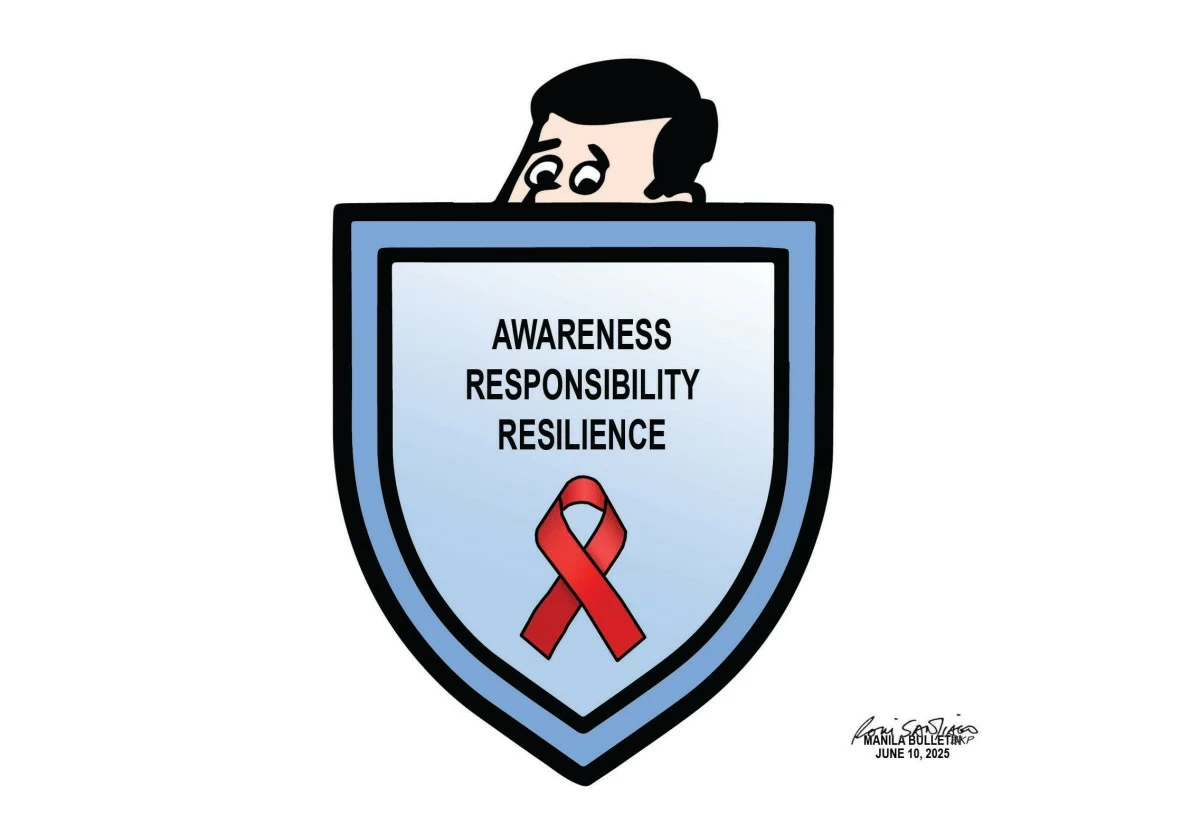
The challenge before us is clear: how do we protect our youth from behaviors that expose them to the risk of HIV? The answer lies in mobilizing not just the health sector, but the entire community — families, educators, faith-based institutions, policy-makers, and the youth themselves — in a collective effort to foster awareness, responsibility, and resilience.
One of the vital gatekeepers in this endeavor is the Health Technology Assessment Council (HTAC), whose role in evaluating and recommending life-saving interventions cannot be understated. The HTAC must ensure that access to HIV prevention tools — including Pre-Exposure Prophylaxis (PrEP), condoms, regular testing, and counseling services — are expanded and effectively communicated to vulnerable populations.
Moreover, responsible institutions must lobby for age-appropriate, science-based sexual education to be integrated into school curricula. This must go beyond mere biology and instead empower young people with knowledge about consent, self-respect, and the consequences of risky behavior.
Equally important is the role of parents and elders, who are often the first line of defense. It is essential to break the silence around conversations on sex and relationships at home. When families engage with empathy and openness, they create a safe space where guidance can replace judgment. Rather than shielding young people from reality, we must equip them to navigate it wisely.
The digital landscape must also be addressed. While we cannot — and should not — eliminate platforms that facilitate communication, there must be stronger safeguards to ensure these technologies are not misused. Media literacy campaigns, community-driven initiatives, and public-private partnerships with social media companies can help regulate harmful content and promote responsible online behavior.
This is a fight not just against a virus but against apathy, ignorance, and stigma. To reverse the tide of HIV, we need to act with urgency and unity. Public health authorities must scale up their campaigns. Schools must educate. Families must guide. And institutions like HTAC must advocate for accessible prevention and care.
HIV is preventable. But prevention requires knowledge, courage, and collective will. If we fail to act now, we risk not only lives but the future of an entire generation. Let us be the guardians our youth need — present, informed, and unwavering in our commitment to protect them.
ADVERTISEMENT
.most-popular .layout-ratio{ padding-bottom: 79.13%; } @media (min-width: 768px) and (max-width: 1024px) { .widget-title { font-size: 15px !important; } }

{{ articles_filter_1561_widget.title }}

.most-popular .layout-ratio{ padding-bottom: 79.13%; } @media (min-width: 768px) and (max-width: 1024px) { .widget-title { font-size: 15px !important; } }

{{ articles_filter_1562_widget.title }}

.most-popular .layout-ratio{ padding-bottom: 79.13%; } @media (min-width: 768px) and (max-width: 1024px) { .widget-title { font-size: 15px !important; } }

{{ articles_filter_1563_widget.title }}

{{ articles_filter_1564_widget.title }}

.mb-article-details { position: relative; } .mb-article-details .article-body-preview, .mb-article-details .article-body-summary{ font-size: 17px; line-height: 30px; font-family: "Libre Caslon Text", serif; color: #000; } .mb-article-details .article-body-preview iframe , .mb-article-details .article-body-summary iframe{ width: 100%; margin: auto; } .read-more-background { background: linear-gradient(180deg, color(display-p3 1.000 1.000 1.000 / 0) 13.75%, color(display-p3 1.000 1.000 1.000 / 0.8) 30.79%, color(display-p3 1.000 1.000 1.000) 72.5%); position: absolute; height: 200px; width: 100%; bottom: 0; display: flex; justify-content: center; align-items: center; padding: 0; } .read-more-background a{ color: #000; } .read-more-btn { padding: 17px 45px; font-family: Inter; font-weight: 700; font-size: 18px; line-height: 16px; text-align: center; vertical-align: middle; border: 1px solid black; background-color: white; } .hidden { display: none; }
function initializeAllSwipers() { // Get all hidden inputs with cms_article_id document.querySelectorAll('[id^="cms_article_id_"]').forEach(function (input) { const cmsArticleId = input.value; const articleSelector = '#article-' + cmsArticleId + ' .body_images'; const swiperElement = document.querySelector(articleSelector); if (swiperElement && !swiperElement.classList.contains('swiper-initialized')) { new Swiper(articleSelector, { loop: true, pagination: false, navigation: { nextEl: '#article-' + cmsArticleId + ' .swiper-button-next', prevEl: '#article-' + cmsArticleId + ' .swiper-button-prev', }, }); } }); } setTimeout(initializeAllSwipers, 3000); const intersectionObserver = new IntersectionObserver( (entries) => { entries.forEach((entry) => { if (entry.isIntersecting) { const newUrl = entry.target.getAttribute("data-url"); if (newUrl) { history.pushState(null, null, newUrl); let article = entry.target; // Extract metadata const author = article.querySelector('.author-section').textContent.replace('By', '').trim(); const section = article.querySelector('.section-info ').textContent.replace(' ', ' '); const title = article.querySelector('.article-title h1').textContent; // Parse URL for Chartbeat path format const parsedUrl = new URL(newUrl, window.location.origin); const cleanUrl = parsedUrl.host + parsedUrl.pathname; // Update Chartbeat configuration if (typeof window._sf_async_config !== 'undefined') { window._sf_async_config.path = cleanUrl; window._sf_async_config.sections = section; window._sf_async_config.authors = author; } // Track virtual page view with Chartbeat if (typeof pSUPERFLY !== 'undefined' && typeof pSUPERFLY.virtualPage === 'function') { try { pSUPERFLY.virtualPage({ path: cleanUrl, title: title, sections: section, authors: author }); } catch (error) { console.error('ping error', error); } } // Optional: Update document title if (title && title !== document.title) { document.title = title; } } } }); }, { threshold: 0.1 } ); function showArticleBody(button) { const article = button.closest("article"); const summary = article.querySelector(".article-body-summary"); const body = article.querySelector(".article-body-preview"); const readMoreSection = article.querySelector(".read-more-background"); // Hide summary and read-more section summary.style.display = "none"; readMoreSection.style.display = "none"; // Show the full article body body.classList.remove("hidden"); } document.addEventListener("DOMContentLoaded", () => { let loadCount = 0; // Track how many times articles are loaded const offset = [1, 2, 3, 4, 5, 6, 7, 8, 9, 10]; // Offset values const currentUrl = window.location.pathname.substring(1); let isLoading = false; // Prevent multiple calls if (!currentUrl) { console.log("Current URL is invalid."); return; } const sentinel = document.getElementById("load-more-sentinel"); if (!sentinel) { console.log("Sentinel element not found."); return; } function isSentinelVisible() { const rect = sentinel.getBoundingClientRect(); return ( rect.top < window.innerHeight && rect.bottom >= 0 ); } function onScroll() { if (isLoading) return; if (isSentinelVisible()) { if (loadCount >= offset.length) { console.log("Maximum load attempts reached."); window.removeEventListener("scroll", onScroll); return; } isLoading = true; const currentOffset = offset[loadCount]; window.loadMoreItems().then(() => { let article = document.querySelector('#widget_1690 > div:nth-last-of-type(2) article'); intersectionObserver.observe(article) loadCount++; }).catch(error => { console.error("Error loading more items:", error); }).finally(() => { isLoading = false; }); } } window.addEventListener("scroll", onScroll); });

Sign up by email to receive news.