






The House tri-committee (tri-comm) that investigated the spread of fake news and misinformation in the country has recommended on Tuesday night, June 10 amending the current law on cybercrime, regulating social media platforms, and taxing content creators, among others, based on its committee report.
Manila Bulletin
 Philippines
National
Cybercrime law tweaks, tax for content creators among House tri-comm recommendations
Philippines
National
Cybercrime law tweaks, tax for content creators among House tri-comm recommendations
Philippines
National
Cybercrime law tweaks, tax for content creators among House tri-comm recommendations
Cybercrime law tweaks, tax for content creators among House tri-comm recommendations
Published Jun 10, 2025 09:41 pm


At A Glance
- The House tri-committee (tri-comm) that investigated the spread of fake news and misinformation in the country has recommended on Tuesday night, June 10 amending the current law on cybercrime, regulating social media platforms, and taxing content creators, among others, based on its committee report.
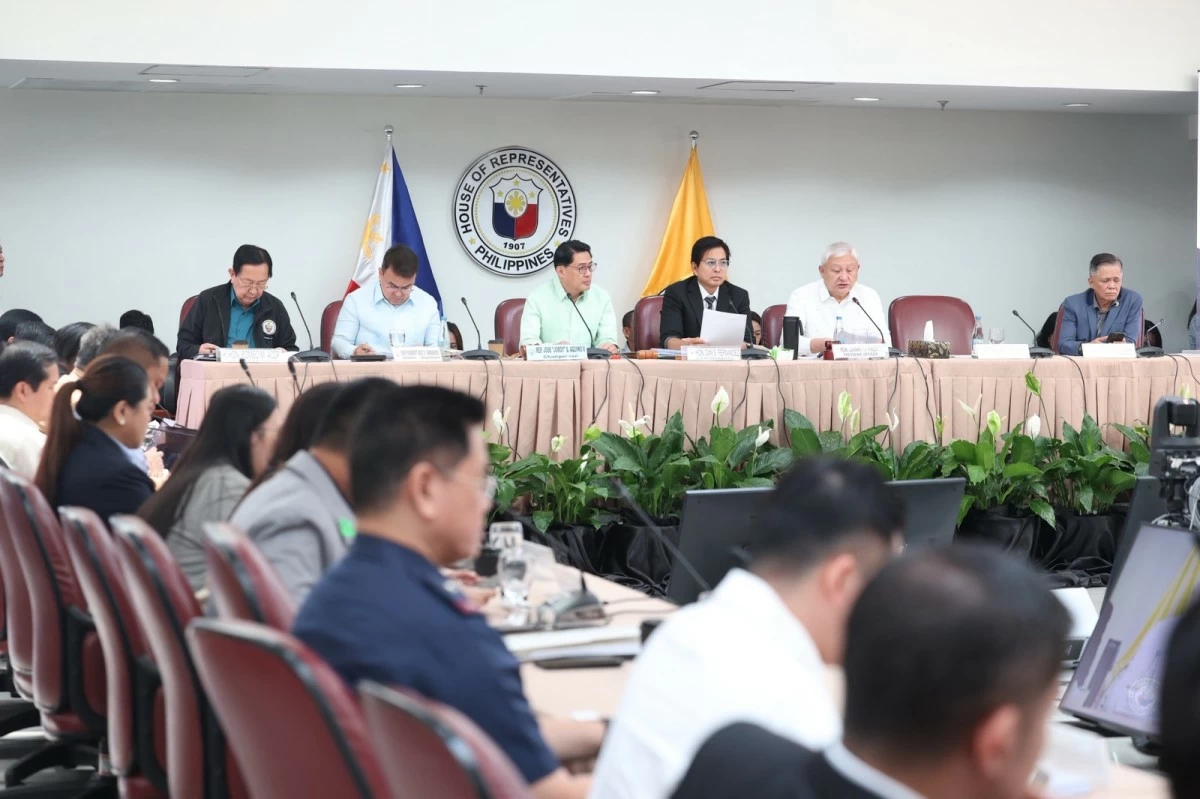
Ending its months-long inquiry that exposed social media personalities' non-confirmation of facts before posting them online as well as social media platforms' failure to regulate themselves, the House tri-comm made a dozen recommendation "to effectively address" the matter.
Five of the 12 recommendations are related to either amending or creating laws. They are the following:
• Republic Act No. 10175 or the Cybercrime Prevention Act of 2012
According to lawmakers, the new measure will address challenges posed by emerging technologies and harmful online content "by explicitly defining social media platforms, prescribing penalties for their participation in content-related offenses and incorporating provisions on disclosure of data".
•A new law establishing the responsibilities of social media platforms and other platform providers as avenues through which user-generated content is exhibited
The panel recommends that platforms must be mandated to adopt practices such as content oversight, user authentication, and proactive monitoring of prohibited content or practices on their platforms, and a task force be created to monitor and implement the provisions of the said measure.
•A new law establishing a comprehensive legal framework to protect the public and penalize the creation, publication and financing of false or harmful online content
• Legislation on artificial intelligence (AI) with provisions for related cyber threats like automated phishing, deepfake-driven misinformation, and AI-powered intrusions
The proposed os law, according to the 92-page panel report, would establish "ethical guidelines for AI-generated threats as well as introduce regulatory and liability frameworks for AI developers and deployers to ensure accountability in case of security breaches".
• Legislation a multi-stakeholder Digital Council of the Philippines to function similarly as the Kapisanan ng mga Brodkaster ng Pilipinas (KBP) and the NUJP (National Union of Journalists of the Philippines) to regulate social media actors
Social media platforms franchise, tax for content creators
Meanwhile, the panel also suggested aligning the Data Privacy Act with the international practices, increasing platform accountability through securing franchise and accreditation, implementing data retention and strengthening tax compliance of digital content creators.
It highlights the need for social media platforms to be regulated, as they are expected to improve content moderation and fact-checking as well as implement safeguards against vicious algorithms.
Content creators must also be taxed accordingly. As such, the panel recommended establishing systems to verify their income from digital platforms.
This developed as lawmakers noted that while Revenue Memorandum Circular No. 97-2021 outlines the tax obligations of social media influencers, its implementation has been limited due to reliance on voluntary declarations.
"It is recommended to establish systems for verifying income earned from digital platforms and supporting interagency mechanisms to track online earnings, including those paid by foreign entities," their recommendation read.
"To facilitate effective tax levying, social media platforms generating income from Philippine-based users or advertisers should also be required to establish a legal presence in the country. It is further recommended that the government enter into cross-border data sharing agreements with digital platforms and relevant jurisdictions to aid in tax enforcement and compliance monitoring," it added.
The panel was co-chaired by Santa Rosa City lone district Rep. Dan Fernandez, chairman of House Committee on Public Order and Safety; Agusan del Norte 1st district Rep. Joboy Aquino, chairman of Committee on Public Information; and Surigao del Sur 2nd district Rep. Johnny Pimentel, vice chairman of Committee on Information and Communications Technology.
The House of Representatives adopted the tri-comm’s committee report, which contained the recommendations, during plenary session Tuesday night.