






 Philippines
Metro Manila
Taguig LGU health leaders visit Singapore for insights on maternal, pediatric care
Philippines
Metro Manila
Taguig LGU health leaders visit Singapore for insights on maternal, pediatric care
Taguig LGU health leaders visit Singapore for insights on maternal, pediatric care


At A Glance
- They visited KK Women's and Children's Hospital, which was founded in 1858
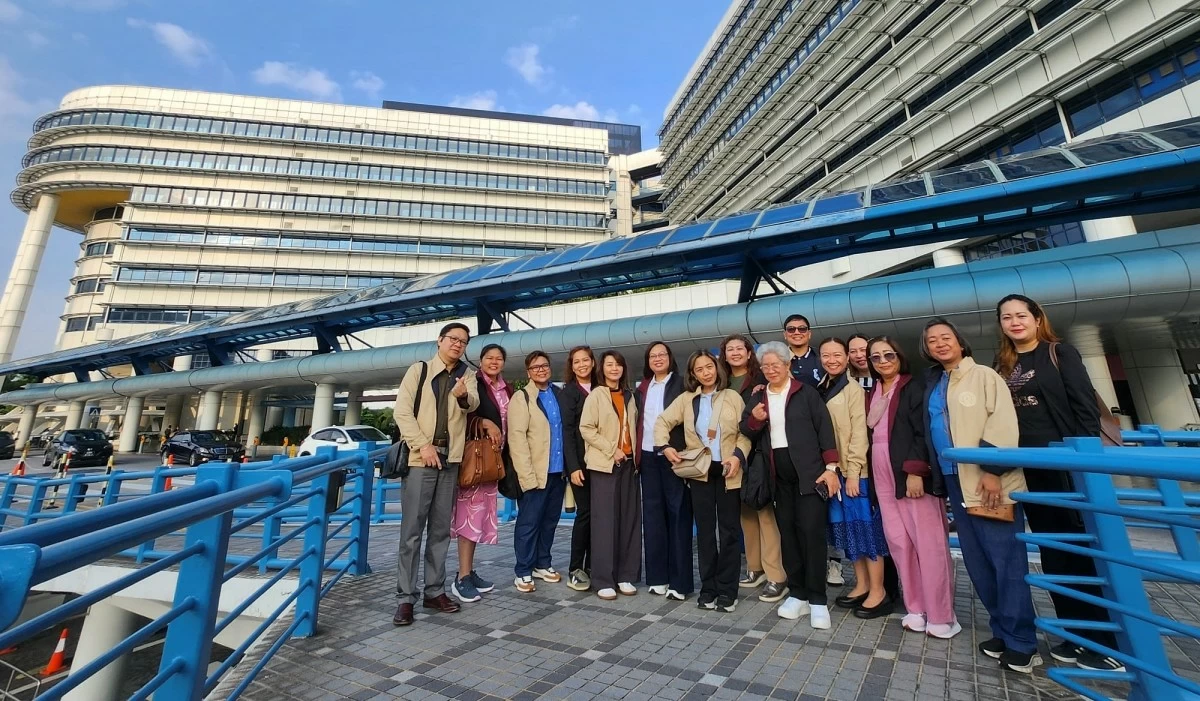
Health leaders from the Taguig City government went to Singapore for a study visit to strengthen maternal and pediatric care.
During the three-day visit, the Taguig delegation went to the KK Women’s and Children’s Hospital (KKH), an 830-bed hospital founded in 1858.
The Taguig LGU representatives toured the hospital, visiting departments such as Admissions, Pediatrics Specialist Outpatient Clinics (SOCs)–MSC, Children’s Emergency, O&G STORK Clinic, Clinic C (a nurse/midwife-led facility), and the O&G Wards.
They also had a high-risk case consultation session and reflective discussion to identify best practices that could be implemented in Taguig.
"We are delighted to welcome our partners from Taguig City, Philippines this week – part of the growing regional collaboration between KKH-led MCHRI [Maternal and Child Health Research Institute], Taguig City (I Love Taguig) and Temasek Foundation,” the hospital posted on Facebook.
It added, “The visit follows the MCHRI team’s visit to Taguig City in 2024. From healthcare infrastructure to innovative care models, KKH is honoured to share our expertise to help mothers and children survive, thrive and shine. Together, we are creating a model of care to advance maternal and child health for communities in the region!”
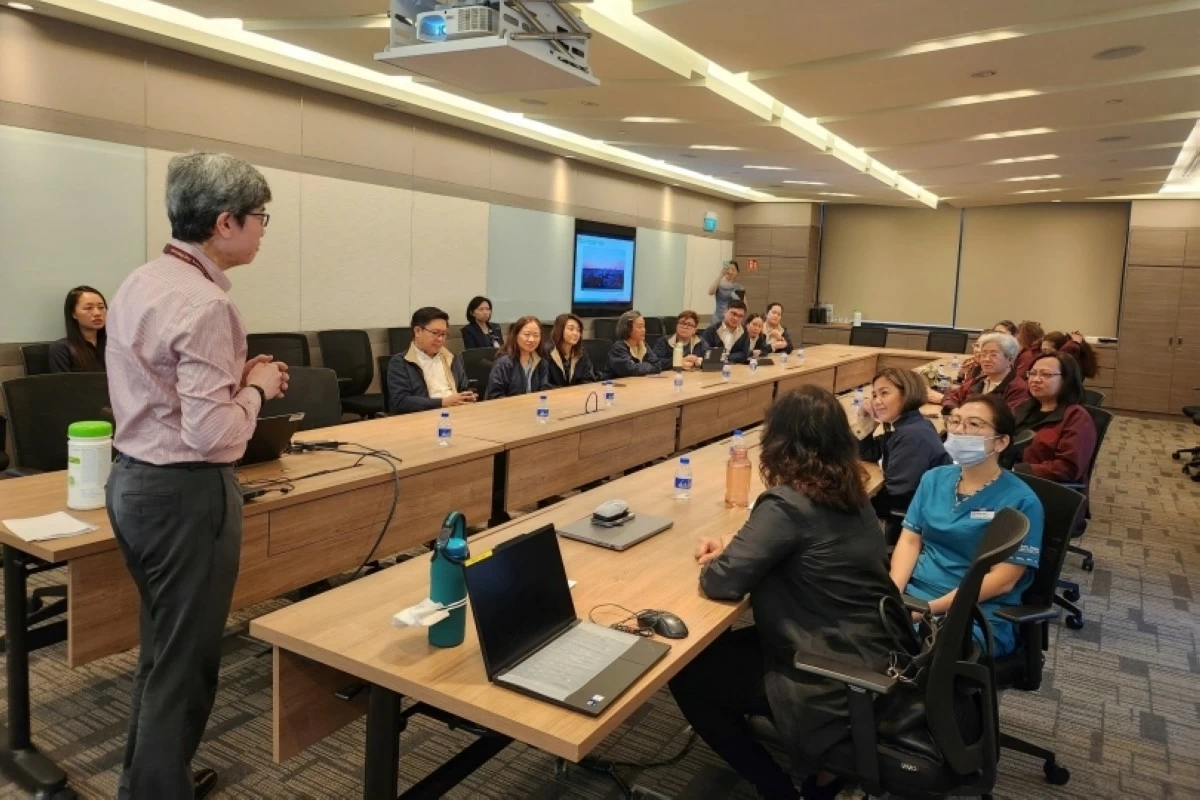
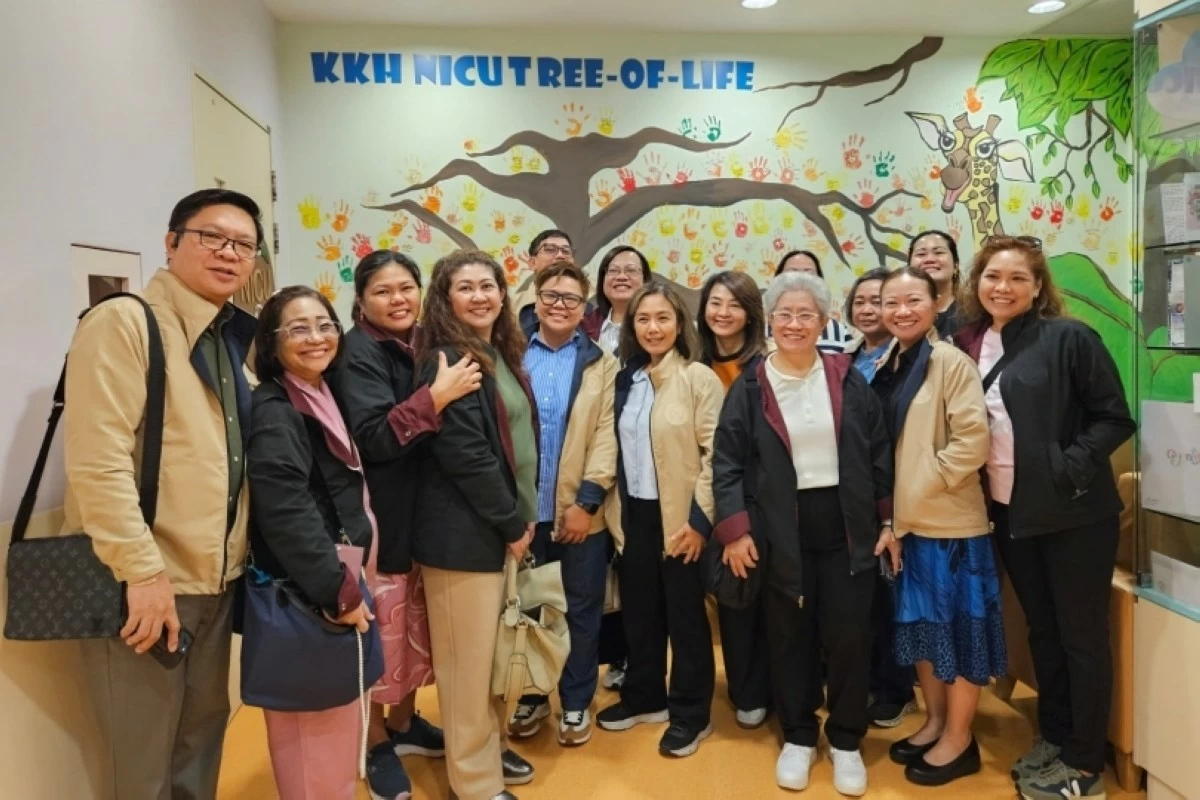
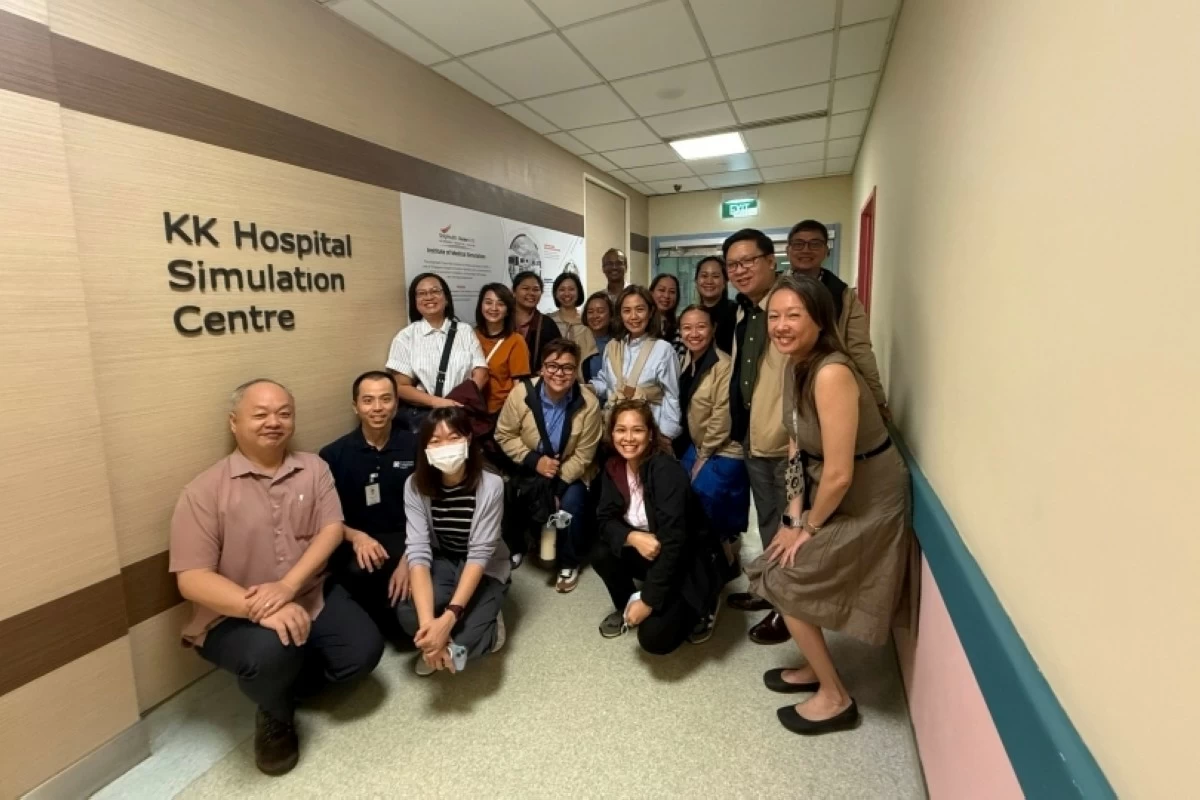
The Taguig delegates also visited the hospital’s Delivery Suite, which has “28 single-bedded, air-conditioned delivery rooms, each with an attached bathroom and a TV with free-to-air and cable channels. Every room is equipped with a baby warmer to keep your newborn warm and resuscitation equipment is available should the newborn require resuscitation,” according to the hospital website.
They also observed neonatal care operations at the Neonatal Intensive Care Unit (NICU) and the Special Care Nursery (SCN), reviewed clinical protocols, and joined training sessions.
Also part of the visit were sessions on in-depth look at KKH’s Nutrition Program for infants and young children, and a planning discussion using the IMP²ACT Module Logic Model. They also went to the KKH’s Human Milk Bank.
On the third day, the Taguig and the KKH teams developed a logic model for the program—identifying key stakeholders, proposed partners, their respective roles, and the data collection process.
The visit was made possible through the support of Temasek Foundation, the Maternal and Child Health Research Institute (MCHRI), and the Office of Strategic Management & Global Health.
The Taguig team also went to the Alice Lee Innovation Centre of Excellence, a hub within the KKH Campus.