






Research shows that by the age of three, a child’s brain grows to 80 percent of its adult size. During this critical period, more than one million neural connections form every second—laying the foundation for cognitive, language, and emotional development. This is why nurturing responsive care in the early years is very important.
Manila Bulletin
 Lifestyle
Luminaries and Life
Jennylyn Mercado and Dennis Trillo on parenting, playtime, and raising Dylan
Lifestyle
Luminaries and Life
Jennylyn Mercado and Dennis Trillo on parenting, playtime, and raising Dylan
Lifestyle
Luminaries and Life
Jennylyn Mercado and Dennis Trillo on parenting, playtime, and raising Dylan
Jennylyn Mercado and Dennis Trillo on parenting, playtime, and raising Dylan
How this hands-on couple nurtures their three-year-old's growth
Published Jun 7, 2025 07:51 am


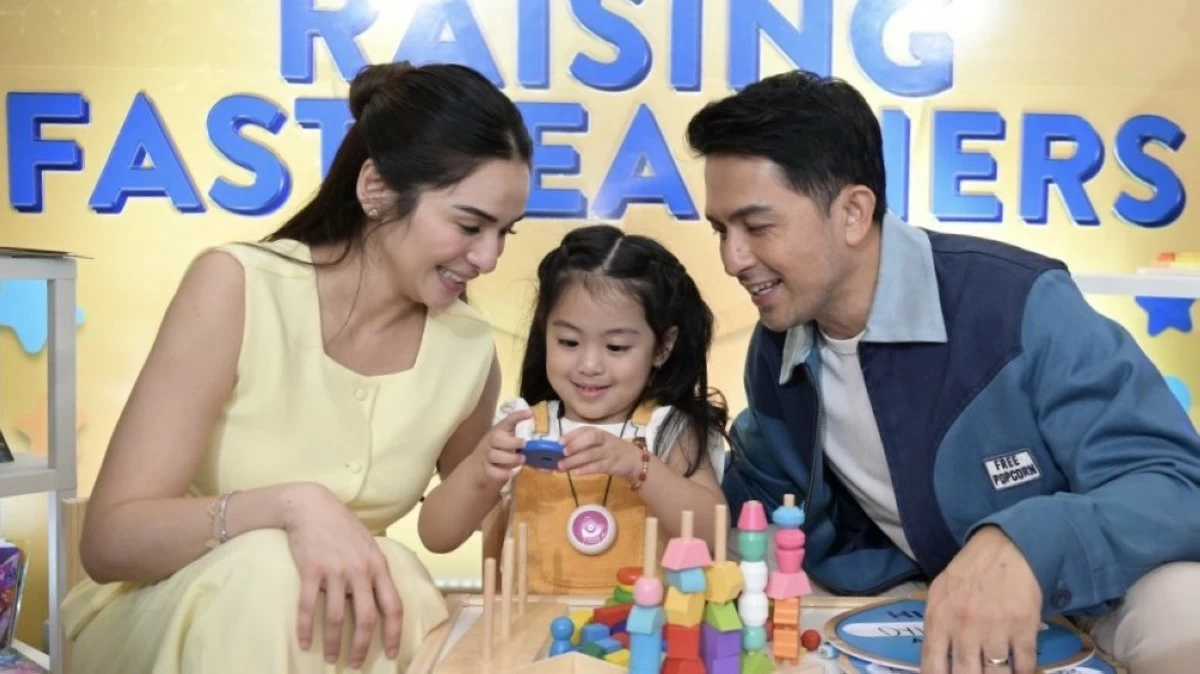
Jennylyn Mercado and Dennis Trillo with their daughter Dylan
For celebrity couple Jennylyn Mercado and Dennis Trillo, parenting their three-year-old daughter Dylan remains a top priority even with their demanding schedules. In an interview during Similac Gain School’s Raising Fast Learners event, where they are introduced as the brand’s newest ambassadors, the couple opened up about their parenting journey behind the camera.
How did you discover that Dylan is a fast learner?
Jennylyn: She started talking early—before she turned one. We noticed right away how quickly she could pick things up and follow activities we asked her to do.
What’s your most memorable experience raising Dylan?
Dennis: When she was an infant, we had to stay up all night—just the two of us. That was really memorable because we were completely hands-on. Grabe yung pinagdaanan ni Jennylyn (she went through a lot). It was an experience we didn’t get to have with our sons before.
Jennylyn: We didn’t have a nanny back then. Dennis even asked GMA for a break so he could be with me and Dylan. It was just us until she turned eight months old. After that, we decided to hire a helper. And when Dylan turned two, that’s when I chose to go back to work.
Now that you're both working again, how do you manage parenting?
Jennylyn: It worked out perfectly because Dylan is now at an age where she understands things better. When we say goodbye in the morning, she knows we’ll be back later, so she says goodbye too.
Dennis: But we’re about to leave for Europe for two weeks of taping. Hindi namin kayang mahiwalay sa kanya (we just bear to be away from her). So we’re bringing her along as we travel through three countries. We’ve packed all the essentials!
How do you manage her screen time?
Jennylyn: We admit—we're guilty of allowing it sometimes. It’s hard to avoid, especially during long flights or travels. We try everything else first, like toys, coloring books. Screen time is our last resort.
Dennis: But we make sure she only watches educational and age-appropirate content. We’re very mindful of what she’s exposed to.
How do you encourage fun, educational learning at home?
Jennylyn: Dylan is a visual learner. She likes watching how things are done, then mimics them.
Dennis: She loves interactive play, so we choose toys that also teach. She’s also really into books. We get her simple reading books, and she always asks for story time before bedtime.
What’s your favorite family bonding activity?
Jennylyn: Building blocks! Dylan will ask me, Papa, and her kuyas (brothers) to play with her. We all sit down together, build things, and just enjoy quality time as a family.

Dr. Jose Rodolfo Dimaano, Dennis Trillo, Dylan, Jennylyn Mercado, and Dr. Josie Eusebio
Apart from creating special moments with Dylan, Jennylyn and Dennis are also committed to supporting their daughter’s growth and development, starting with nutritious food that includes Similac Gain School milk. It’s a milk formula specially developed with the Prodi-G Nutrition System, the first and only product enhanced with gangliosides. These brain-supporting lipids help form vital neural connections essential for learning and communication.
Jennylyn and Dennis’s parenting style has the approval of Dr. Jose Rodolfo Dimaano, Jr., medical director for Abbott’s nutrition business in Asia Pacific. He encourages parents to support their children by promoting active play and spending time with family.
“Continue with activities that stimulate the brain, like play, interactions, and storytelling. Have kwentuhan (story time) during breakfast, lunch, and dinner. Eat together, bond, and converse,” he said. “Make all those opportunities available for the child. Interaction with other children is important. If she has siblings, let them play together. If you have a kid in the neighborhood, encourage them to be friends and play.”