






 Philippines
US, AFP to conduct logistics training in anticipation of 'future crises, disasters'
Philippines
US, AFP to conduct logistics training in anticipation of 'future crises, disasters'
US, AFP to conduct logistics training in anticipation of 'future crises, disasters'
Exercise Mobility Guardian showcases US rapid deployment in Indo-Pacific


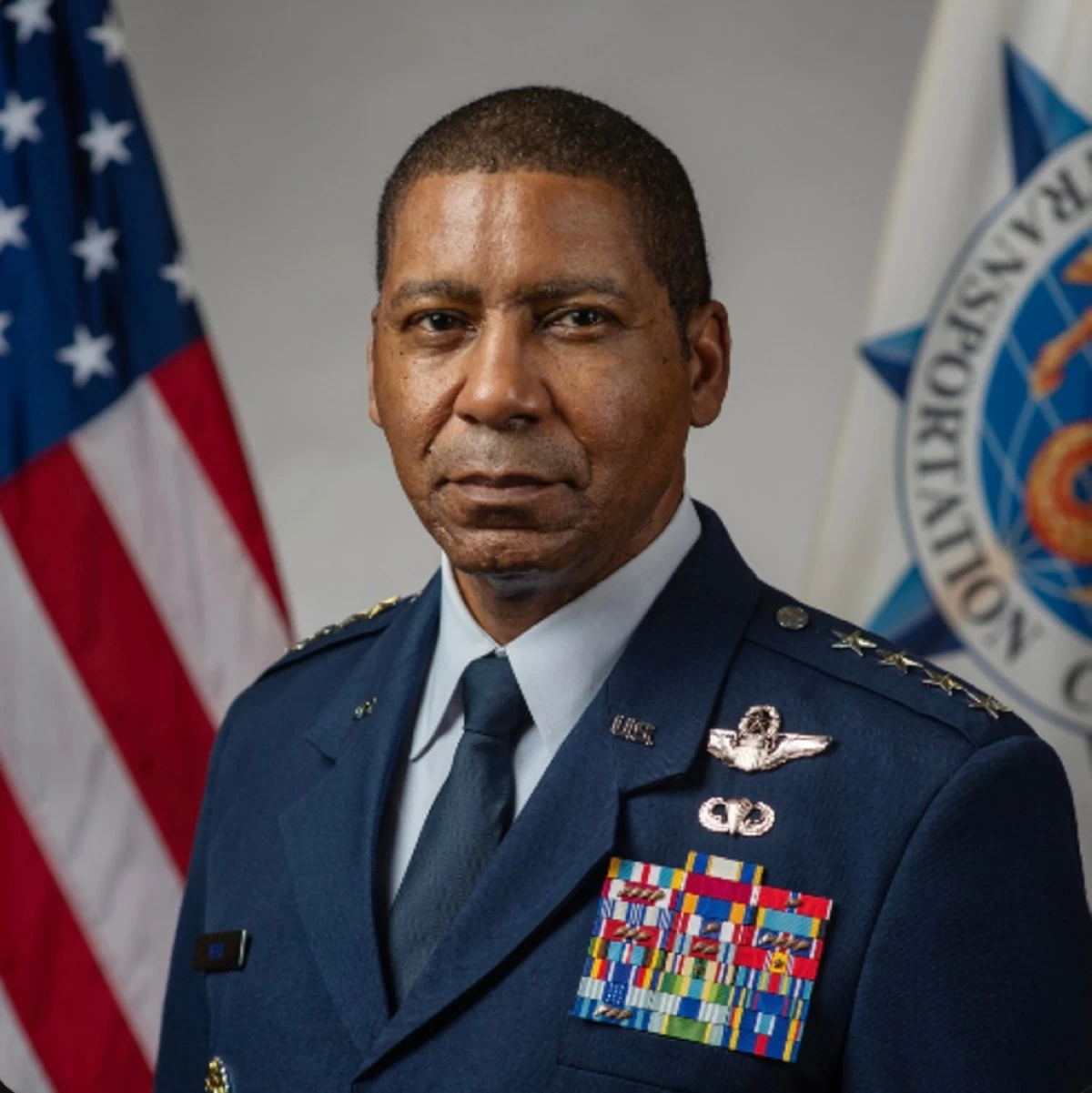
The United States is enhancing its logistics cooperation with the Armed Forces of the Philippines (AFP) to ensure a swift response to future crises and disaster relief operations, and counter threats to international peace and security in the Indo-Pacific region.
US Air Force General Randall Reed, commander of US Transportation Command (Transcom), said a series of exercises will be conducted with the Armed Forces of the Philippines (AFP) this summer to test the current logistics architecture and infrastructure.
“This summer, we're going to have a series of exercises and we'll test the current logistics architecture and infrastructure, which provides sustained freedom of maneuver in the region and for the joint force,” Reed told reporters in a virtual briefing on Friday, June 6.
Reed paid a courtesy visit at the AFP General Headquarters in Camp Aguinaldo, Quezon City a day before, where he was received by Lt. Gen Jimmy Larida, AFP vice chief of staff. The two officials explored initiatives to boost maritime domain awareness and enhance cyber defense capabilities through bilateral exercises in response to “evolving” security challenges.
One of the exercises scheduled was dubbed “Mobility Guardian” and it seeks to demonstrate Washington’s ability to rapidly mobilize and deploy forces from within the US to locations throughout the Indo-Pacific region.
Tension is high in the region due to China’s aggression in the South China Sea and hostile activities around Taiwan, a self-governing island that it considers a renegade province subject to “reunification”.
The US has started to practice deploying key assets and personnel to the Philippines during major wargames.
During last month’s Balikatan Exercise, the US Indo-Pacific Command (Indopacom) deployed advanced capabilities to the Philippines, including the Navy-Marine Expeditionary Ship Interdiction System or NMESIS, an anti-ship missile system.
Last year, the Indopacom fielded the Typhon mid-range capability (MRC) missile to Manila for the Salaknib Exercise and Balikatan.
Both the NMESIS and Typhon systems remained in the Philippines after the military exercises ended, drawing criticism from China. Beijing accused Manila and Washington of fueling an arms race in the region.


As the US seeks to make its Pacific defenses more nimble and survivable, Reed said that prepositioning things during a crisis is one of the major things to consider.
“The closer you can get something to the point of need, the better off we all are. So utilizing prepositioned stock in a crisis will always be faster than transporting equipment from the other side of the globe. And that can be helpful when needing to deliver a rapid and decisive response to a crisis,” he explained.
Further, Reed said that the exercises will be used to test tactics, techniques, and procedures with its allies and partners so they can enhance their connectivity across various locations throughout the region.
The Philippines and the US are actively engaged in the Indo-Pacific Industrial Reliance Forum, a multilateral forum of 14 Indo-Pacific and Euro-Atlantic partners that are collaborating to accelerate Indo-Pacific contributions to defense industrial-based resilience.
“Maintaining and expanding our relationships in the region is essential as we cooperate and collaborate to ensure a swift US response to any future humanitarian aid and disaster relief operation, while also countering threats to international peace and security, whether they originate from state actors or violent extremist groups or what have you,” Reed explained.
But the Air Force general admitted that the US Military Sealift Command’s fleet “is capable but aging.”
“We need to get newer and more modern ships for the crews to operate,” Reed said.