






Consumer price increases slowed further to 1.3 percent in May from 1.4 percent in April, marking the slowest pace in nearly six years, with the poorest households experiencing no increase in overall prices.
Manila Bulletin
 Business
The Economy
Zero price hike for poor as overall inflation drops to nearly six-year low 1.3% in May
Business
The Economy
Zero price hike for poor as overall inflation drops to nearly six-year low 1.3% in May
Business
The Economy
Zero price hike for poor as overall inflation drops to nearly six-year low 1.3% in May
Zero price hike for poor as overall inflation drops to nearly six-year low 1.3% in May
By Derco Rosal
Published Jun 5, 2025 11:11 am
|
Updated Jun 5, 2025 05:14 pm


At A Glance
- Consumer price increases slowed further to 1.3 percent in May from 1.4 percent in April, marking the slowest pace in nearly six years, with the poorest households experiencing no increase in overall prices.
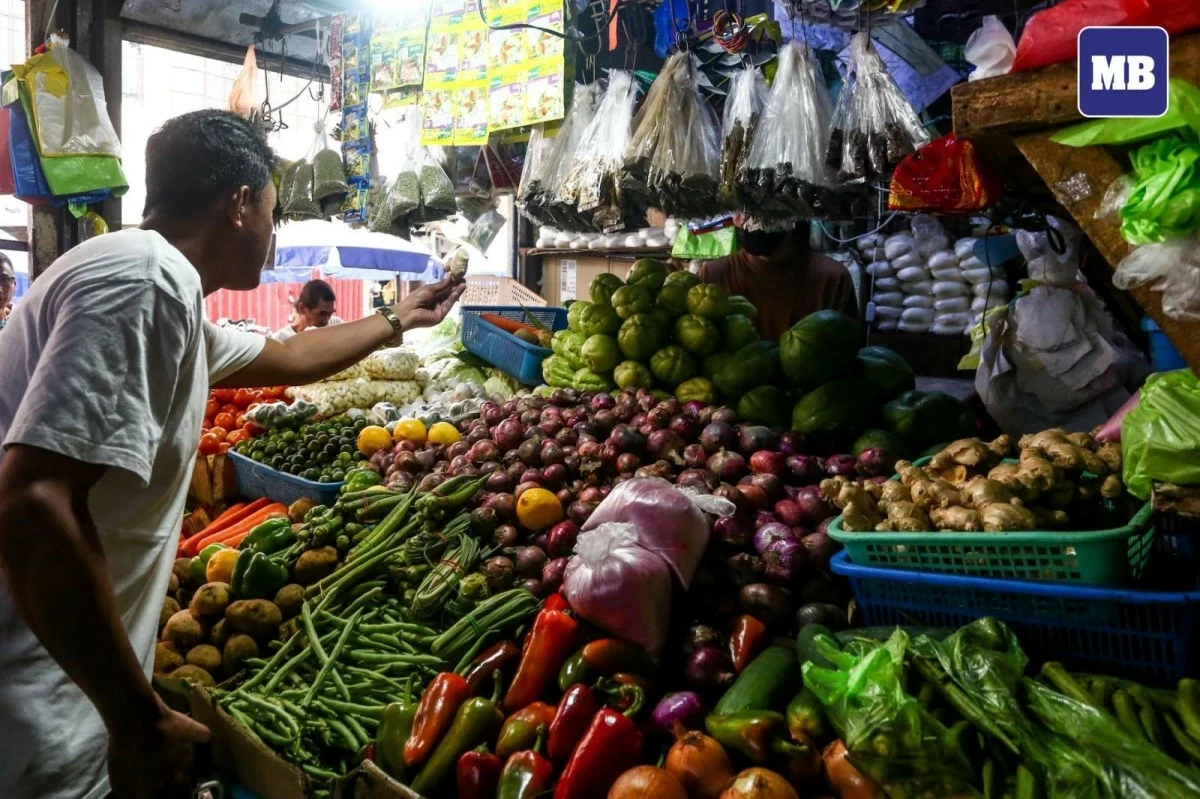
According to the Philippine Statistics Authority (PSA), the country’s headline inflation moved at an even slower pace compared to the previous month, which marks the lowest rate since November 2019, when it stood at 1.2 percent.
May’s inflation rate fell way below the target band of the government, at two to four percent. Compared to the forecast range of the Bangko Sentral ng Pilipinas (BSP), last month’s figure clocked in at the midpoint of the 0.9- to 1.7-percent projection.
PSA Undersecretary and National Statistician Claire Dennis S. Mapa said during a press briefing on Thursday, June 5, that the continued easing of inflation in May was mainly due to the slower price movements in the housing, water, electricity, gas and other fuels sub-index.
It clocked in at 2.3 percent in May from 2.9 percent in April. In particular, it accounted for 68.4 percent in the overall disinflation.
Also driving the slowdown were lower prices in restaurant and accommodation services, a sharper drop in transport costs, and a slight easing in household items and maintenance.
As such, the average inflation for the first five months clocked in at 1.9 percent, still below the government’s target band of annual price increases deemed manageable and conductive to economic growth.
Notably, the bottom 30-percent income households, or the poorest households in the country, had seen no fluctuations in prices in May. This plummeted from 5.3 percent in the same month last year.
As early as January, inflation for this segment has already seen a slowdown, with April posting the slightest price hike at only 0.1 percent.
The continued drop in May was mainly due to a faster decline in the prices of food and non-alcoholic beverages, which fell by 1.6 percent, compared to a 1.2-percent decrease in April. Food inflation alone massively declined to two percent from 8.2 percent in May a year ago.
The Department of Economy, Planning, and Development (DEPDev) said in a statement that this continued decline in nationwide price movements suggests the country’s “progress toward easing price pressures and achieving a more stable cost of living for Filipinos.”
“We are encouraged by this development. It reflects the success of our sustained efforts to protect the purchasing power of Filipinos and ensure a more affordable cost of living,” said Rosemarie G. Edillon, DEPDev undersecretary for policy and planning.
For its part, the BSP noted that the latest headline inflation is “consistent” with the central bank’s outlook of a manageable inflation environment in the months ahead. It can be recalled that the BSP lowered its inflation forecast given the falling commodity prices.
The central bank sees a balanced inflation outlook but cited that upside pressures come from “possible increases in transport charges, meat prices, and utility rates.”
Mapa also noted that there are factors that would prompt a reversal of this trend in the coming months, noting that price adjustments in housing, water, electricity, gas and other fuels have been notable.
Meanwhile, potential drivers of continued falling of prices are the persisting effects of “lower tariffs on rice imports and the expected impact of weaker global demand,” the central bank further said.
Rice deflated further by 12.8 percent in May, continuing its trend from 2.3-percent deflation in January, 4.9 percent in February, 7.7 percent in March, and 10.9 percent in April. These averaged to a negative inflation of 7.7 percent for the first five months.
Mapa noted that the market is expecting rice prices to continue declining in the coming months.
Edillon assured the public that the government remains “committed to executing the necessary measures to keep prices low and stable.” She also said that they are confident about hitting the government’s inflation target for the year.
“On balance, the more manageable inflation outlook and the downside risks to domestic economic activity allow for a shift toward a more accommodative monetary policy stance,” the BSP said.
“Looking ahead, the BSP will continue to take a measured approach in deciding on further monetary easing,” it added. The central bank will reassess its monetary policy stance on June 19.
Recto welcomes low inflation
Department of Finance (DOF) Secretary Ralph G. Recto said that the falling prices is “a very encouraging development and a clear sign that the Marcos Jr. administration’s efforts to stabilize food prices and improve supply chains are paying off, especially for our most vulnerable sectors.”
Recto noted that the President is “on top of ensuring that we sustain this downward trend.”
“We will never be complacent. We continue to closely monitor potential sources of price increases—especially now that we are seeing a rise in pork prices. We are working to reverse this by ensuring adequate pork supply and continuing the rollout of the African swine fever (ASF) vaccine,” he added.
According to the DOF, the government’s recent actions—such as enforcing Executive Order (EO) No. 62 and lowering the suggested retail price (SRP) of imported rice to ₱45 per kilo in March—have helped drive this development.
To keep inflation slowing down, the DOF said the government is rolling out more programs to make affordable food more accessible, including the newly launched ₱20-per-kilo milled rice to vulnerable groups such as Pantawid Pamilyang Pilipino Program (4Ps) beneficiaries, senior citizens, persons with disabilities (PWDs), and single parents.
Fisherfolk in the West Philippine Sea will also benefit from the program where the government buys their catch and provides fuel and rice subsidies.
Additionally, Regional Tripartite Wages and Productivity Boards (RTWPBs) have been ordered to review and adjust minimum wages based on regional economic conditions, aiming to ensure fair wage hikes that address workers’ needs.