ADVERTISEMENT

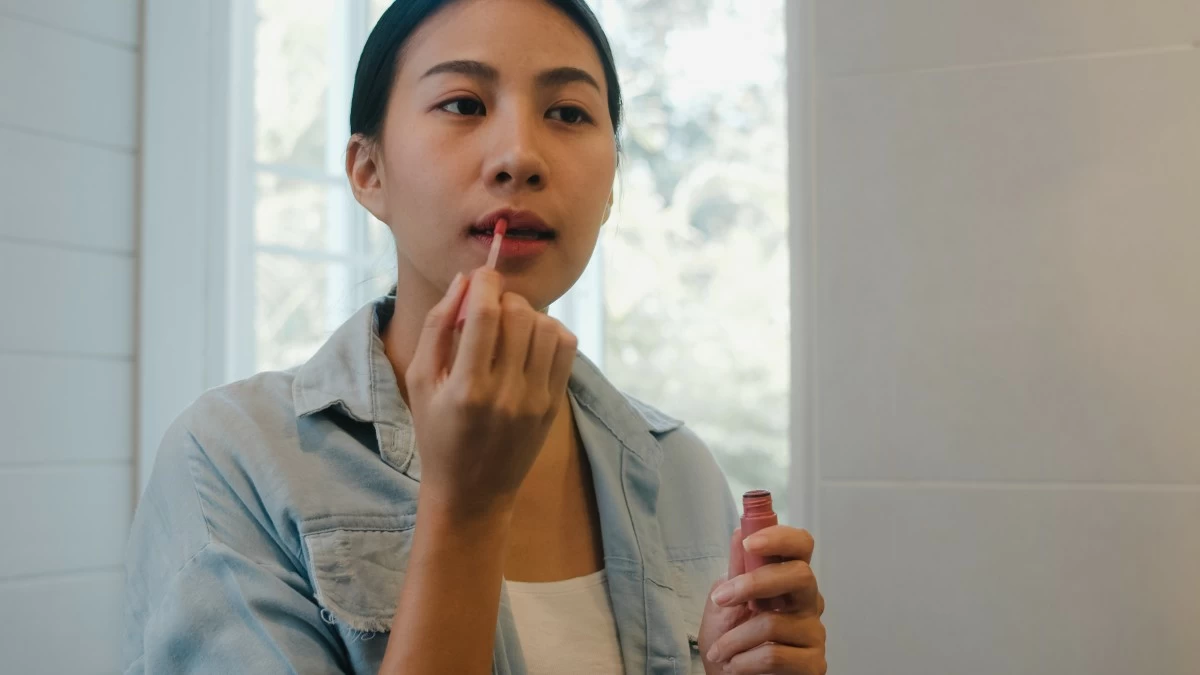
Do lip oils cause discoloration?

How to spot signs and what ingredients to watch out for

Published Jun 5, 2025 09:36 am
Imagine this: You’ve finally found the lip oil that everyone’s been raving about. It’s gone viral. Your friends love it, and so do you. But then, videos and posts started popping up with users claiming it causes discoloration. What would you do?
This is exactly what happened online recently. Social media users started sharing their experiences, claiming certain lip oils were causing unexpected pigmentation. And just like that, more and more people started to wonder if they might be experiencing the same thing.
 Dr. Jarishe Lao-Ang
Dr. Jarishe Lao-Ang
Is there truth in this? Can some lip oil products darken your lips? To get to the bottom of this, Manila Bulletin Lifestyle spoke with Dr. Jarishe Lao-Ang, a board-certified dermatologist known online as @thedermamamaph, who shared expert insights on this issue.
What exactly is lip discoloration, and what usually causes it?
Lip discoloration refers to any darkening or changes in the natural pigmentation of your lips. There are several common culprits, like sun exposure, contact allergies, or irritation from products you put on your lips. Hormonal changes, certain medications, and lifestyle habits like smoking can also play a role.
How common is it for lip products to cause pigmentation changes?
It's relatively common. Products with irritants like fragrances, certain pigments, or allergens can trigger hyperpigmentation. Temporary staining from lip product dyes is quite common. Some formulas leave a faint tint on your lips, even after wiping them off, but it’s harmless and not the same as long-term discoloration.
Are certain skin tones more prone to this type of discoloration?
Yes, absolutely. People with darker skin tones are more susceptible to pigmentation issues because they naturally have more melanin production.
Could popular lip oils cause discoloration? What are the responsible ingredients?
Lip oils often contain fragrances or essential oils, like citrus oils such as bergamot and lemon, which are actually phototoxic. This means that they can make your lips more sensitive to UV light, which may lead to pigmentation over time. Some lip oils also use certain dyes that can stain or even irritate the lips.
Can ingredients trigger allergic reactions that lead to hyperpigmentation?
Definitely! Common irritants in lip products, like fragrances and certain tints, can absolutely trigger reactions that lead to hyperpigmentation.
How much does sun exposure contribute to this, especially when it comes to lip discoloration?
UV exposure significantly worsens pigmentation caused by photosensitizing ingredients like those citrus oils we discussed. That’s why it’s important to use a lip sunscreen with an SPF of 30 or higher.
Are there any warning signs that a lip product might cause discoloration before it happens?
Yes, there are definitely some red flags to watch out for. If you feel tingling, burning, itchiness, unusual dryness, or if your lips become red and irritated, these could be warning signs.
What should you do right away if you notice lip discoloration after using a cosmetic product?
First things first, stop using that product immediately! Switch to gentle, fragrance-free formulas. Applying simple petroleum jelly can soothe your lips. If symptoms persist, be sure to consult with a dermatologist.
What brands or ingredients do you usually recommend for patients with sensitive lips or concerns about pigmentation?
My go-to recommendations are usually very simple and gentle such as Vaseline petroleum jelly, Vanicream Lip Balm, Cerave Healing Ointment, and La Roche-Posay Cicaplast Lips.
Are there any treatments or home remedies that can safely help reverse lip discoloration?
The first step is always to repair the skin barrier on your lips. You can do this by regularly applying petroleum jelly and products that contain Centella Asiatica. And, of course, keep using lip sunscreen. For lightening, ingredients like arbutin, tranexamic acid, kojic acid, and niacinamide can help, but it’s best to consult a doctor before starting any of these. In more stubborn cases, laser therapy might be considered.

Related Tags

fashion and beauty
ADVERTISEMENT
.most-popular .layout-ratio{ padding-bottom: 79.13%; } @media (min-width: 768px) and (max-width: 1024px) { .widget-title { font-size: 15px !important; } }

{{ articles_filter_1561_widget.title }}

.most-popular .layout-ratio{ padding-bottom: 79.13%; } @media (min-width: 768px) and (max-width: 1024px) { .widget-title { font-size: 15px !important; } }

{{ articles_filter_1562_widget.title }}

.most-popular .layout-ratio{ padding-bottom: 79.13%; } @media (min-width: 768px) and (max-width: 1024px) { .widget-title { font-size: 15px !important; } }

{{ articles_filter_1563_widget.title }}

{{ articles_filter_1564_widget.title }}

.mb-article-details { position: relative; } .mb-article-details .article-body-preview, .mb-article-details .article-body-summary{ font-size: 17px; line-height: 30px; font-family: "Libre Caslon Text", serif; color: #000; } .mb-article-details .article-body-preview iframe , .mb-article-details .article-body-summary iframe{ width: 100%; margin: auto; } .read-more-background { background: linear-gradient(180deg, color(display-p3 1.000 1.000 1.000 / 0) 13.75%, color(display-p3 1.000 1.000 1.000 / 0.8) 30.79%, color(display-p3 1.000 1.000 1.000) 72.5%); position: absolute; height: 200px; width: 100%; bottom: 0; display: flex; justify-content: center; align-items: center; padding: 0; } .read-more-background a{ color: #000; } .read-more-btn { padding: 17px 45px; font-family: Inter; font-weight: 700; font-size: 18px; line-height: 16px; text-align: center; vertical-align: middle; border: 1px solid black; background-color: white; } .hidden { display: none; }
function initializeAllSwipers() { // Get all hidden inputs with cms_article_id document.querySelectorAll('[id^="cms_article_id_"]').forEach(function (input) { const cmsArticleId = input.value; const articleSelector = '#article-' + cmsArticleId + ' .body_images'; const swiperElement = document.querySelector(articleSelector); if (swiperElement && !swiperElement.classList.contains('swiper-initialized')) { new Swiper(articleSelector, { loop: true, pagination: false, navigation: { nextEl: '#article-' + cmsArticleId + ' .swiper-button-next', prevEl: '#article-' + cmsArticleId + ' .swiper-button-prev', }, }); } }); } setTimeout(initializeAllSwipers, 3000); const intersectionObserver = new IntersectionObserver( (entries) => { entries.forEach((entry) => { if (entry.isIntersecting) { const newUrl = entry.target.getAttribute("data-url"); if (newUrl) { history.pushState(null, null, newUrl); let article = entry.target; // Extract metadata const author = article.querySelector('.author-section').textContent.replace('By', '').trim(); const section = article.querySelector('.section-info ').textContent.replace(' ', ' '); const title = article.querySelector('.article-title h1').textContent; // Parse URL for Chartbeat path format const parsedUrl = new URL(newUrl, window.location.origin); const cleanUrl = parsedUrl.host + parsedUrl.pathname; // Update Chartbeat configuration if (typeof window._sf_async_config !== 'undefined') { window._sf_async_config.path = cleanUrl; window._sf_async_config.sections = section; window._sf_async_config.authors = author; } // Track virtual page view with Chartbeat if (typeof pSUPERFLY !== 'undefined' && typeof pSUPERFLY.virtualPage === 'function') { try { pSUPERFLY.virtualPage({ path: cleanUrl, title: title, sections: section, authors: author }); } catch (error) { console.error('ping error', error); } } // Optional: Update document title if (title && title !== document.title) { document.title = title; } } } }); }, { threshold: 0.1 } ); function showArticleBody(button) { const article = button.closest("article"); const summary = article.querySelector(".article-body-summary"); const body = article.querySelector(".article-body-preview"); const readMoreSection = article.querySelector(".read-more-background"); // Hide summary and read-more section summary.style.display = "none"; readMoreSection.style.display = "none"; // Show the full article body body.classList.remove("hidden"); } document.addEventListener("DOMContentLoaded", () => { let loadCount = 0; // Track how many times articles are loaded const offset = [1, 2, 3, 4, 5, 6, 7, 8, 9, 10]; // Offset values const currentUrl = window.location.pathname.substring(1); let isLoading = false; // Prevent multiple calls if (!currentUrl) { console.log("Current URL is invalid."); return; } const sentinel = document.getElementById("load-more-sentinel"); if (!sentinel) { console.log("Sentinel element not found."); return; } function isSentinelVisible() { const rect = sentinel.getBoundingClientRect(); return ( rect.top < window.innerHeight && rect.bottom >= 0 ); } function onScroll() { if (isLoading) return; if (isSentinelVisible()) { if (loadCount >= offset.length) { console.log("Maximum load attempts reached."); window.removeEventListener("scroll", onScroll); return; } isLoading = true; const currentOffset = offset[loadCount]; window.loadMoreItems().then(() => { let article = document.querySelector('#widget_1690 > div:nth-last-of-type(2) article'); intersectionObserver.observe(article) loadCount++; }).catch(error => { console.error("Error loading more items:", error); }).finally(() => { isLoading = false; }); } } window.addEventListener("scroll", onScroll); });

Sign up by email to receive news.