






 Business
The Economy
AirAsia MOVE: No manual fare manipulation, committed to consumer trust
Business
The Economy
AirAsia MOVE: No manual fare manipulation, committed to consumer trust
AirAsia MOVE: No manual fare manipulation, committed to consumer trust


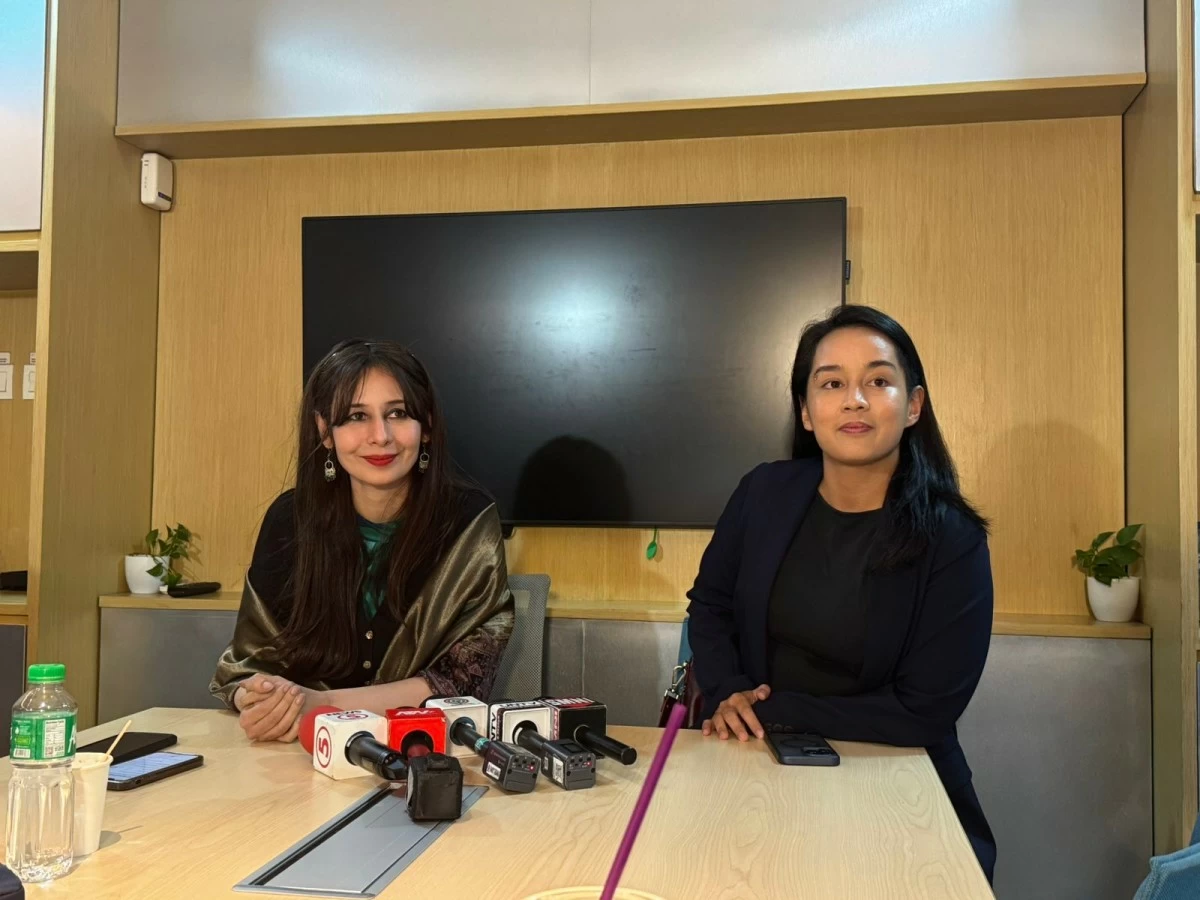
AirAsia MOVE (MOVE) vowed to collaborate with the government to establish industry-wide safeguards ensuring customer protection, following a Civil Aeronautics Board (CAB) inquiry regarding an alleged overpricing incident involving a domestic flight carrier in Tacloban.
In a statement, Nadia Omer, AirAsia MOVE chief executive officer, said their pricing mechanism is automated, with no manual intervention or manipulation of fares on the platform.
She also noted that all fares are sourced from third-party aggregators and are not set by an Online Travel Agency (OTA) like MOVE.
On Thursday, June 5, Omer appeared before CAB officials to clarify the supply chain process in OTA industry.
"We thank the CAB for giving us the opportunity to be heard at a proper venue in the observance of due process," Omer said. "The issue at hand has become a platform to proactively engage and educate stakeholders on how the supply chain works within OTAs."
She added that OTAs operate through third-party aggregators and direct airline partners, with these aggregators engaging airlines to sell seats.
OTAs, Omer clarified, function as a marketing arm or platform and therefore lack the ability to manually alter prices passed on from these suppliers or airline partners.
"We also want to clarify that there is no overpricing and manipulation as these go against the very principle of our company – to provide affordable fares and a wide range of options to make traveling more accessible and inclusive for every consumer, on every budget," Omer added.
Following a cease and desist order, MOVE immediately contacted the third-party suppliers, requesting the immediate removal of the fares in question.
During its internal investigation, MOVE confirmed that no booking transaction was made, and likely no passengers were affected by the displayed fare.
"Other than facing intense public scrutiny, MOVE did not gain any commission out of the fares in question. We immediately asked our third-party suppliers to provide a written explanation to ensure full clarity on the issue," Omer noted.
In the Philippines, airline fares are regulated by the CAB, while the Department of Tourism (DOT) monitors accommodation rates, with complaints about OTA pricing typically referred to the Department of Trade and Industry (DTI).
"As a company that advocates consumer protection, MOVE is ready to work closely with the government in setting up a task force and developing policies to monitor pricing across to ensure alignment not just on booking platforms, but across the third-party supply chain," Omer said.
"We ask that the government also strike a balance between monitoring and regulating OTAs to ensure equal protection while encouraging economic activity and driving tourism. OTAs, like MOVE, are here to democratize travel by providing a wide range of options that suits every traveler’s budget requirements and travel aspirations," Omer added.