ADVERTISEMENT

2025 impeachment case: A functional dismissal

Published Jun 5, 2025 12:05 am  |  Updated Jun 4, 2025 05:07 pm

‘TOL VIEWS

It has been four months since the Senate received the Articles of Impeachment against Vice President Sara Duterte. While the proceedings will commence on June 11, two days before the Sine Die Adjournment of the 19th Congress on June 13, or even the lapse of the 19th Congress on June 30, the issue on whether the process will continue onto the 20th Congress has yet to be resolved.

The command of the Constitution is clear. Article XI, Section 3(4) provides that "the Senate shall proceed to trial, forthwith" after receiving the Articles of Impeachment. The term "forthwith" is not a suggestion. It is a legal imperative that connotes immediacy. Trial after months of inaction undermines not only this directive but also the due process rights of the respondent and the integrity of the Senate as an Impeachment Court.

In the privilege speech I delivered at the Senate Session last June 2, 2025, and I wish to once again highlight through this article, I have underscored that the impeachment is a proceeding tied to the mandate and lifespan of the Congress that initiated it. It does not continue automatically into the next Congress, hence, the functional dismissal of the 2025 impeachment case. The delay caused by the apparent failure to abide by a clear constitutional directive to proceed to trial forthwith has left the Senate of the 19th Congress with barely several days from today to complete the proceedings and render judgment before Congress closes. The timeline is too tight and difficult.

The question remains: Can the present Senate of the 19th Congress transfer its jurisdiction to the Senate of the 20th Congress to hear and decide the instant impeachment case should it be unable to complete its work by noon of June 30, 2025? I am resolved that it cannot. To allow the 19th Congress to transfer an impeachment case to the 20th Congress, is an ultra vires act of conferring jurisdiction. Foremost, the Philippine Senate under the 1987 Constitution is clearly not a continuing body, unlike the US Senate. Its jurisdiction to hear and decide this impeachment case cannot be carried over to the next Senate. Such jurisdiction ceases by noon of June 30, 2025. We cannot cure any jurisdictional lapses or defects by circumventing the Constitution itself.

The power to hear and decide the present Impeachment versus Vice President Sara Duterte filed by the Lower House of the 19th Congress is vested in the present Senate of the 19th Congress itself. I would like to reiterate: such jurisdiction is not transferable to the Senate of the 20th Congress. Consequently, the jurisdiction of the present Senate to hear and decide the instant impeachment case is time-bound. It can only be exercised until noon of June 30, 2025. Even canons from another jurisdiction which we recognize, affirm our stand on the impeachment issue. Jefferson’s Manual of Parliamentary Practice states: “Business unfinished at the end of a Congress does not carry over to the next Congress.”

 I make this stand in faithful defense of constitutional order, procedural fairness, and the institutional dignity of this chamber. These are, after all, what the Filipino people expect of Senator-Judges like us.

Related Tags

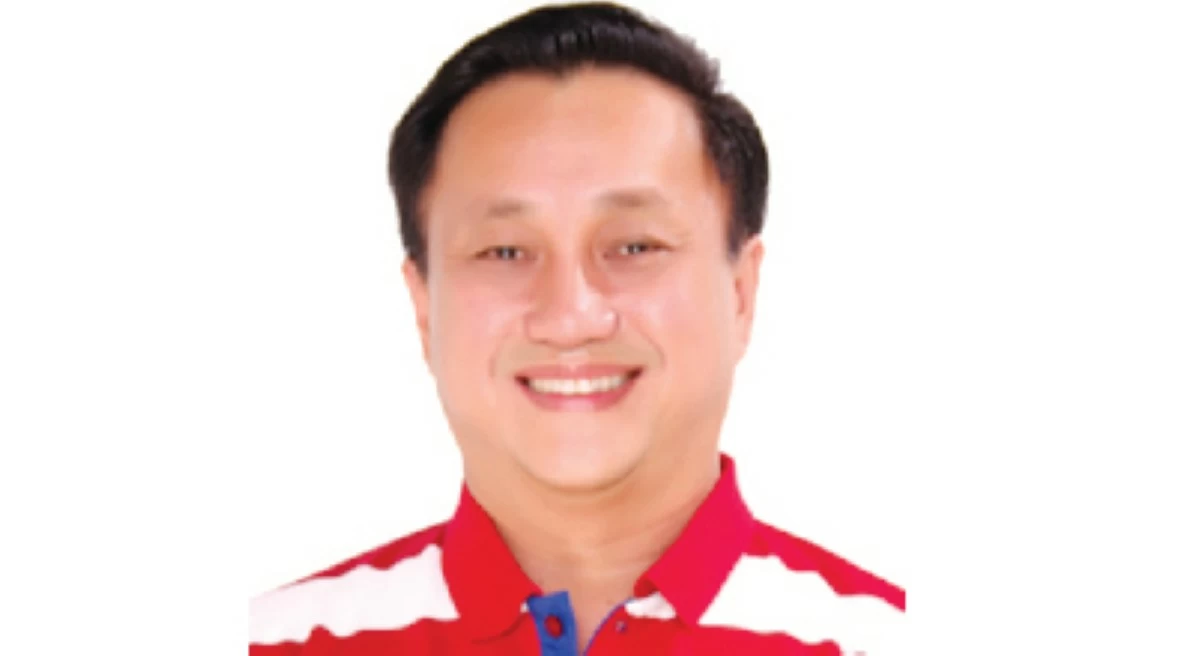
\'TOL VIEWS SENATOR FRANCIS TOLENTINO
ADVERTISEMENT
.most-popular .layout-ratio{ padding-bottom: 79.13%; } @media (min-width: 768px) and (max-width: 1024px) { .widget-title { font-size: 15px !important; } }

{{ articles_filter_1561_widget.title }}

.most-popular .layout-ratio{ padding-bottom: 79.13%; } @media (min-width: 768px) and (max-width: 1024px) { .widget-title { font-size: 15px !important; } }

{{ articles_filter_1562_widget.title }}

.most-popular .layout-ratio{ padding-bottom: 79.13%; } @media (min-width: 768px) and (max-width: 1024px) { .widget-title { font-size: 15px !important; } }

{{ articles_filter_1563_widget.title }}

{{ articles_filter_1564_widget.title }}

.mb-article-details { position: relative; } .mb-article-details .article-body-preview, .mb-article-details .article-body-summary{ font-size: 17px; line-height: 30px; font-family: "Libre Caslon Text", serif; color: #000; } .mb-article-details .article-body-preview iframe , .mb-article-details .article-body-summary iframe{ width: 100%; margin: auto; } .read-more-background { background: linear-gradient(180deg, color(display-p3 1.000 1.000 1.000 / 0) 13.75%, color(display-p3 1.000 1.000 1.000 / 0.8) 30.79%, color(display-p3 1.000 1.000 1.000) 72.5%); position: absolute; height: 200px; width: 100%; bottom: 0; display: flex; justify-content: center; align-items: center; padding: 0; } .read-more-background a{ color: #000; } .read-more-btn { padding: 17px 45px; font-family: Inter; font-weight: 700; font-size: 18px; line-height: 16px; text-align: center; vertical-align: middle; border: 1px solid black; background-color: white; } .hidden { display: none; }
function initializeAllSwipers() { // Get all hidden inputs with cms_article_id document.querySelectorAll('[id^="cms_article_id_"]').forEach(function (input) { const cmsArticleId = input.value; const articleSelector = '#article-' + cmsArticleId + ' .body_images'; const swiperElement = document.querySelector(articleSelector); if (swiperElement && !swiperElement.classList.contains('swiper-initialized')) { new Swiper(articleSelector, { loop: true, pagination: false, navigation: { nextEl: '#article-' + cmsArticleId + ' .swiper-button-next', prevEl: '#article-' + cmsArticleId + ' .swiper-button-prev', }, }); } }); } setTimeout(initializeAllSwipers, 3000); const intersectionObserver = new IntersectionObserver( (entries) => { entries.forEach((entry) => { if (entry.isIntersecting) { const newUrl = entry.target.getAttribute("data-url"); if (newUrl) { history.pushState(null, null, newUrl); let article = entry.target; // Extract metadata const author = article.querySelector('.author-section').textContent.replace('By', '').trim(); const section = article.querySelector('.section-info ').textContent.replace(' ', ' '); const title = article.querySelector('.article-title h1').textContent; // Parse URL for Chartbeat path format const parsedUrl = new URL(newUrl, window.location.origin); const cleanUrl = parsedUrl.host + parsedUrl.pathname; // Update Chartbeat configuration if (typeof window._sf_async_config !== 'undefined') { window._sf_async_config.path = cleanUrl; window._sf_async_config.sections = section; window._sf_async_config.authors = author; } // Track virtual page view with Chartbeat if (typeof pSUPERFLY !== 'undefined' && typeof pSUPERFLY.virtualPage === 'function') { try { pSUPERFLY.virtualPage({ path: cleanUrl, title: title, sections: section, authors: author }); } catch (error) { console.error('ping error', error); } } // Optional: Update document title if (title && title !== document.title) { document.title = title; } } } }); }, { threshold: 0.1 } ); function showArticleBody(button) { const article = button.closest("article"); const summary = article.querySelector(".article-body-summary"); const body = article.querySelector(".article-body-preview"); const readMoreSection = article.querySelector(".read-more-background"); // Hide summary and read-more section summary.style.display = "none"; readMoreSection.style.display = "none"; // Show the full article body body.classList.remove("hidden"); } document.addEventListener("DOMContentLoaded", () => { let loadCount = 0; // Track how many times articles are loaded const offset = [1, 2, 3, 4, 5, 6, 7, 8, 9, 10]; // Offset values const currentUrl = window.location.pathname.substring(1); let isLoading = false; // Prevent multiple calls if (!currentUrl) { console.log("Current URL is invalid."); return; } const sentinel = document.getElementById("load-more-sentinel"); if (!sentinel) { console.log("Sentinel element not found."); return; } function isSentinelVisible() { const rect = sentinel.getBoundingClientRect(); return ( rect.top < window.innerHeight && rect.bottom >= 0 ); } function onScroll() { if (isLoading) return; if (isSentinelVisible()) { if (loadCount >= offset.length) { console.log("Maximum load attempts reached."); window.removeEventListener("scroll", onScroll); return; } isLoading = true; const currentOffset = offset[loadCount]; window.loadMoreItems().then(() => { let article = document.querySelector('#widget_1690 > div:nth-last-of-type(2) article'); intersectionObserver.observe(article) loadCount++; }).catch(error => { console.error("Error loading more items:", error); }).finally(() => { isLoading = false; }); } } window.addEventListener("scroll", onScroll); });

Sign up by email to receive news.