






Makabayan lawmakers have sought an investigation on the privatization of the Ninoy Aquino International Airport (NAIA), which they have claimed led to burdensome hikes in airfares and parking rates.
Manila Bulletin
 Philippines
National
Probe into NAIA privatization sought amid airfare, parking rate hikes
Philippines
National
Probe into NAIA privatization sought amid airfare, parking rate hikes
Philippines
National
Probe into NAIA privatization sought amid airfare, parking rate hikes
Probe into NAIA privatization sought amid airfare, parking rate hikes
Published Jun 4, 2025 02:41 pm


At A Glance
- Makabayan lawmakers have sought an investigation on the privatization of the Ninoy Aquino International Airport (NAIA), which they have claimed led to burdensome hikes in airfares and parking rates.
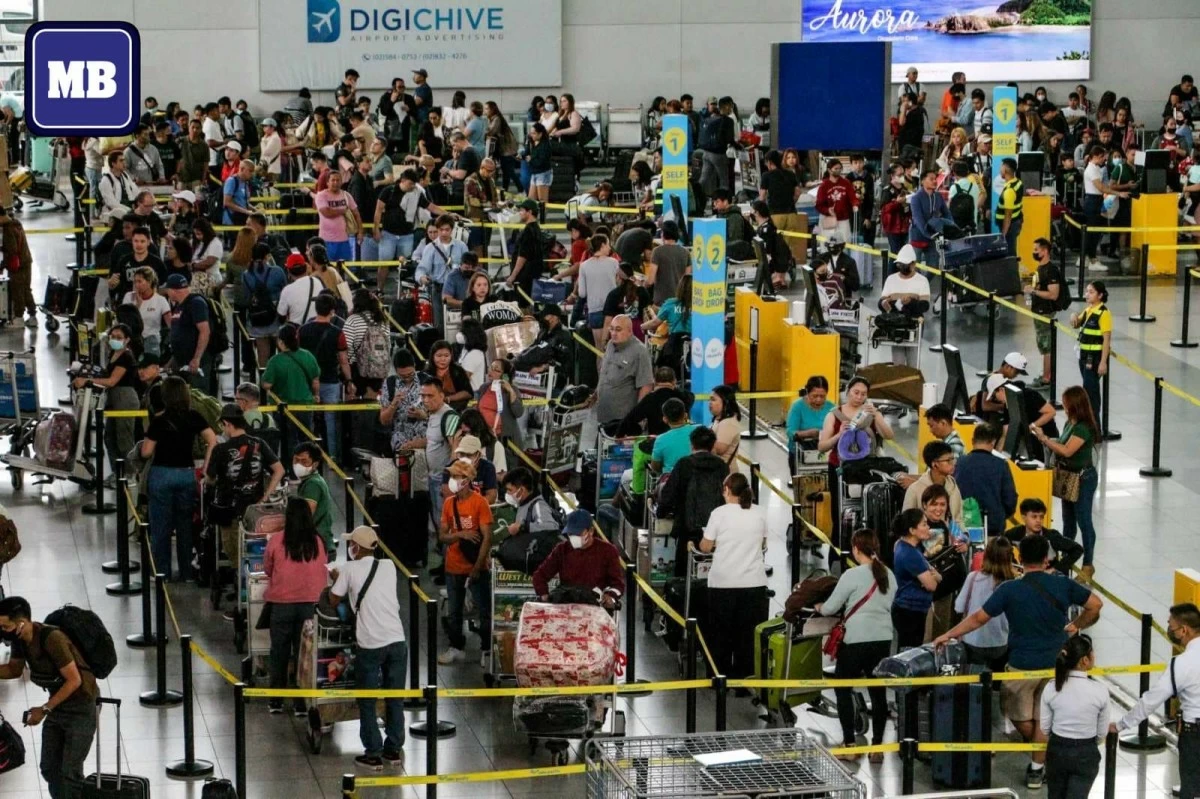
Gabriela Women's Party Rep. Arlene Brosas, Kabataan Party-list Rep. Raoul Manuel and ACT Teachers Party-list Rep. France Castro on Wednesday, June 4, filed House Resolution (HR) No. 2316 to probe the NAIA privatization and its adverse effects on Filipinos.
The proposed investigation came as the lawmakers noted that the New NAIA Infra Corp. (NNIC) implemented what they called "substantial increases" in airport fees, which raised public concerns about the accessibility and affordability of airport services.
They were also concerned that the privatization of public assets and services would translate to a rise in the cost of goods and services "rather than improving the quality of life of Filipinos", as has been proven historically.
One of the samples they cited in their resolution was the new parking fees that came into effect on Oct. 1, 2024, The militant solons described it as "a notable hike, with charges for the first 24 hours rising from P300 to P1,200"
"Short-term parking rates also significantly increased," they said.
They also noted that "by September 2025, significant increments in aeronautical charges for landing and takeoff, terminal rental, tacking operations, and aircraft parking are anticipated".
The Makabayan solons said the increased airport fees directly affect airlines through higher operational costs, which will then "be passed on to passengers through higher ticket prices or additional hidden charges".
This will also affect cargo and freight services that will lead to higher shipping costs, they added.
Brosas, Manuel, and Castro asserted that the development of the country's public infrastructures should be the mandate of the State and "must not be handed over to private interests that prioritize profit over people and social services".