








DAVAO CITY – The Southern Philippines Medical Center confirmed on Wednesday, June 4, that 11 out of the 14 recorded monkeypox cases in the hospital are also individuals living with human immunodeficiency virus, making them more vulnerable due to a weakened immune system.
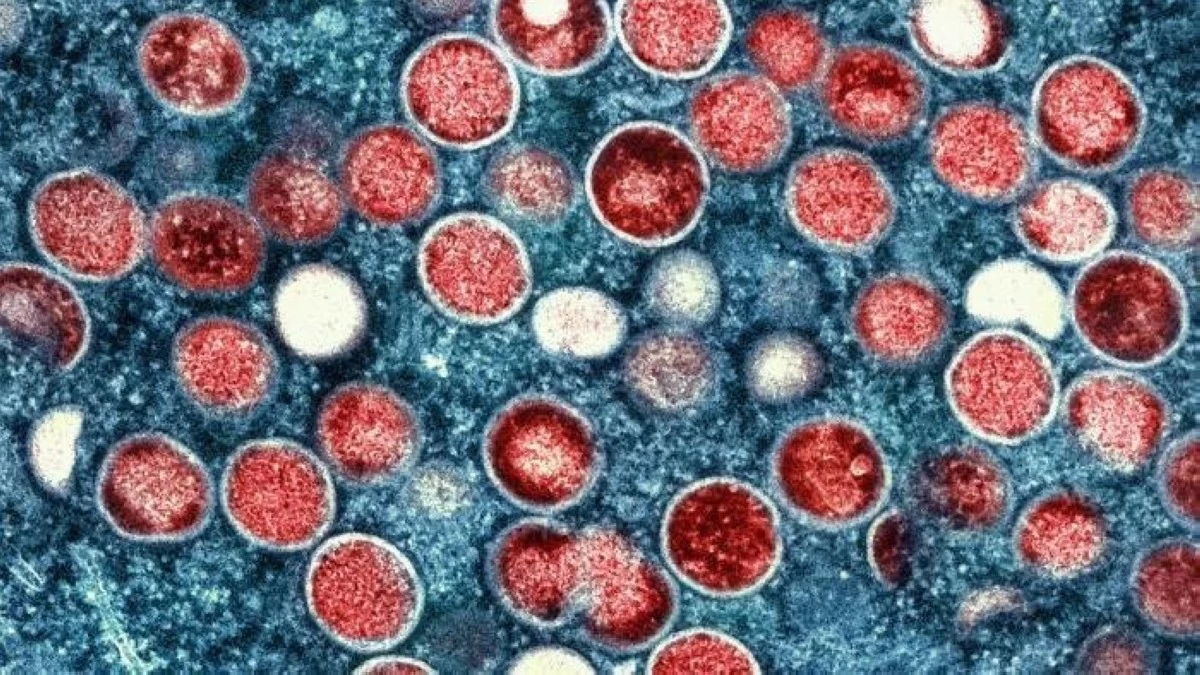
MPOX virus (CDC)
Speaking at the Wednesdays Media Forum in a mall here, SPMC chief Dr. Ricardo Audan said seven patients positive for mpox and HIV are currently confined in the hospital. He added that four other HIV-positive patients, three of who were mpox-negative, have been discharged.
“We handled 14 reported mpox cases. Seven are still admitted at SPMC. The other seven were discharged – two of them were confirmed positive and have recovered, three tested negative, one died with confirmed mpox, and another one died but tested negative for mpox,” Audan said.
Audan explained that there are supposed to be six remaining patients with mpox in the hospital, but another patient, who was initially discharged, experienced a relapse – an incident that could happen when an individual’s immune system is low – that brings the total to seven remaining patients.
The doctor said most patients are male, with no significant travel history abroad except for one. He added that they believe the transmissions happened through skin-to-skin or sexual contact, which is hard to trace, thus, they can only assume these as the likely mode of transmission.
According to the Emerging and Re-emerging Infectious Diseases, Davao City has noted seven confirmed mpox cases between January 1 and June 2. Of the 49 close contacts, 35 finished the 21-day monitoring period with no symptoms. The remaining 14 are still under observation.
“For a hospital setting, we’re very much prepared similar to how we managed Covid-19,” Audan said, adding that the SPMC has designated isolation rooms, equipped with a negative pressure system, 19 beds, and trained personnel specializing in emerging and re-emerging diseases.
Despite concerns, Audan reassured the public that there is no cause for panic. He clarified that mpox is not airborne. But still, medical experts advised everyone to wear masks in crowded places, not mandatory, but a precaution.
Audan encouraged the public to maintain good hygiene, avoid high-risk contacts, and seek medical attention for symptoms, such as rashes, fever, and swollen lymph nodes. For those with weakened immune systems, especially those living with HIV, extra caution is advised.
Audan said that mpox was first detected in the Philippines in July 2022 when four cases were reported. All patients recovered.
He said the World Health Organization declared it a public health emergency of international concern at that time, following reports in other countries.
Audan added that WHO lifted the emergency status in 2023, though the country still logged five cases, all of who also recovered. In 2024, the country reported 18 mpox cases, but none were from Davao City.
Last April 10, Audan said the SPMC admitted its first suspected mpox case, which later tested positive. He added that the hospital initially chose not to disclose it to the public to avoid panic. However, since then, the number of cases has slowly grown.
Audan said that the SPMC is among the hospitals that the Department of Health tapped to manage mpox cases. He said if facilities in the municipalities in the provinces don’t have the capability, they encourage proper referral to SPMC.
He also discussed the DOH raising alarm regarding the increasing incidence of HIV, particularly among Generation Z, those born between 2001 and 2020.
“In Davao region, Davao City ranks No. 1 in terms of HIV cases, followed by Davao del Norte,” Audan said. He added that, though fortunately, the city is not part of the Top 5 cities with HIV cases, the rapid rise should be a serious cause for concern and must be addressed.
The DOH is pushing for a declaration of a national public health emergency in light of the sharp rise in HIV cases nationwide. The country is dealing with a total of 148,831 active HIV cases at present.
DOH Secretary Teodoro Herbosa said that HIV infections in the country have surged by 500 percent, with an average of 57 new diagnoses reported daily between January and March 2025.
Audan said HIV still poses a greater threat than mpox, as the country currently records the highest number of new HIV cases in the Western Pacific Region, with the youngest diagnosed case being a 12-year-old child from Palawan.