







The rise of regenerative skin treatments
Redefining anti-aging in Manila
How exosomes and polynucleotides benefit skincare
Published Jun 3, 2025 09:46 am


At A Glance
- It's an exciting time for Manila's beauty and dermatology community.
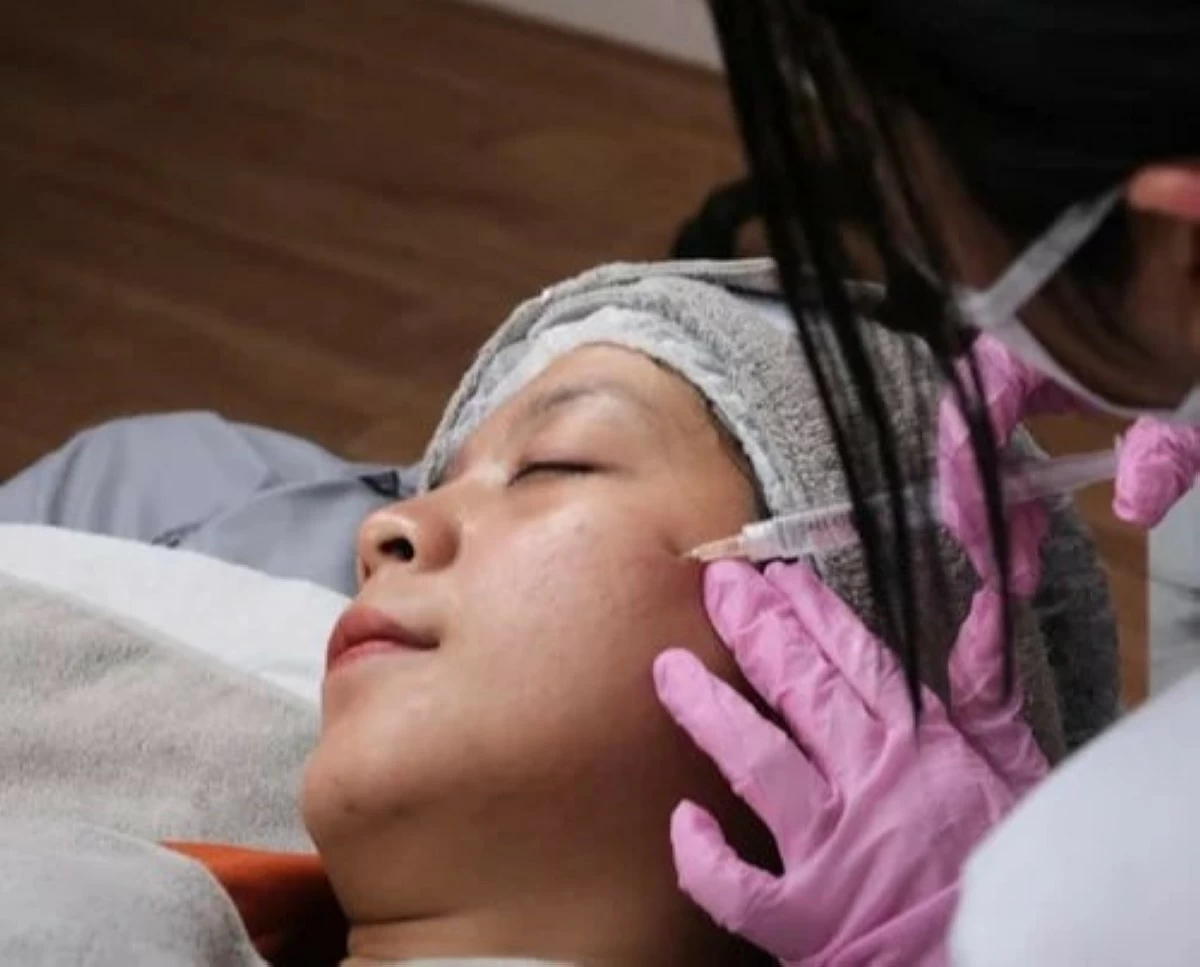
Imagine if you could flip a switch inside your skin cells to make them act younger – repairing damage, smoothing wrinkles, and restoring radiance. This isn’t science fiction anymore, but the promise of cutting-edge regenerative dermatology. The buzzword on every beauty insider’s lips these days is exosomes, a breakthrough from regenerative medicine now trending in skincare . In Seoul, Beverly Hills, and increasingly Manila, exosome-infused therapies are emerging as the latest secret to youthful skin. And at the forefront is a high-tech cocktail called md:complex GenX exosomes and polynucleotides by md:ceuticals, which is making waves among dermatologists and beauty enthusiasts alike.
The science behind the glow
What exactly makes this product special? In simple terms, md:complex GenX is a serum that signals your skin cells to regenerate. The company dubs this their “CellSwitch” technology, essentially flipping on your skin’s natural repair mode. The formula combines two star components: plant-derived exosomes and polynucleotides, alongside supporting ingredients like hyaluronic acid and antioxidants.
Exosomes: Think of exosomes as tiny messenger capsules that cells use to “text” each other instructions. They are microscopic vesicles rich in growth factors, proteins, and RNA, capable of directing other cells to repair and rejuvenate. Exosomes contain growth factors which improve the ability to repair and revive target cells. In md:complex GenX, trillions of exosomes derived from Centella asiatica, a plant famous for its skin-healing properties, carry regenerative signals to our skin. Because these exosomes come from botanical sources, they are naturally biocompatible and unlikely to trigger adverse reactions, a huge plus for safety. In fact, research shows plant-derived exosome-like nanoparticles have innate biocompatibility and low immunogenicity, meaning they integrate with human tissues without irritating them. This allows high-impact rejuvenation with minimal risk.
Polynucleotides: These are basically fragments of DNA/RNA. Think of them as nourishing building blocks for cells. Polynucleotides are prized in dermatology for their ability to boost skin repair, collagen synthesis, and tissue regeneration. A famous example is Rejuran Healer, a South Korean injectable that uses salmon DNA to heal skin from within. In md:complex GenX, polynucleotides work synergistically with exosomes: as the exosomes give the “instructions” to rejuvenate, the polynucleotides provide the raw materials and signals to rebuild collagen and elastin fibers. It’s a one-two punch for aging skin. CellSwitch technology uses exosomes to tell cells to regenerate, and polynucleotides to help execute the repair and renewal.
Supporting these two powerhouse ingredients, md:complex GenX also includes hyaluronic acid for hydration and plumping, various growth factors and plant stem cell extracts for added rejuvenation, plus anti-inflammatories and antioxidants. All together, this cocktail mirrors the very signals of youth. By delivering these natural signals and substrates, the treatment essentially “reminds” aging skin how to behave like young skin again – boosting its ability to heal, firm up, and glow.
Why plant exosomes are a game‑changer
Not all exosome therapies are equal. A key differentiator of md:ceuticals’ approach is its use of plant-derived exosomes (from sources like Centella asiatica and floral stem cells) instead of exosomes from human or animal cells. This offers several advantages:
Safety and biocompatibility: Because they originate from plants, which we routinely consume, these exosomes are inherently biocompatible and safe. They integrate with our skin cells without provoking immune reactions. Scientific reviews note that plant-based nanovesicles tend to produce minimal immunogenicity (low risk of allergic or immune response) compared to some synthetic or animal-derived components. In short, your skin welcomes them as friendly messengers, not invaders.
Ethical and sustainable: Using plant sources sidesteps the controversies of harvesting human stem cells or animal products. It aligns with the clean beauty movement – leveraging nature’s pharmacy in a sustainable way. Plant cell cultures can yield exosomes in large quantities, ensuring a consistent supply of these tiny vesicles without harming any donors.
Potent natural bioactivity: Plants are biochemical powerhouses. Their exosomes come loaded with antioxidants and growth factors evolved by nature. For instance, Centella asiatica, often called cica in skincare, is rich in madecassoside and other compounds that promote wound healing and collagen production. The exosomes extracted from such a plant carry those regenerative instructions into the skin. This means you get not just generic signals to “repair,” but also an anti-inflammatory, antioxidant boost derived from botanicals. It’s like a green juice shot for your skin cells.
The upshot is a technology that marries biotech and botanicals: medical-grade results with organic-inspired safety. No surprise that experts see plant exosome therapies as a thrilling new frontier in aesthetics – offering the kind of advanced results once expected only from stem cell treatments, but with a gentler safety profile.
From collagen boost to even tone
A regenerative serum can sound abstract, so what does md:complex GenX actually do for your skin? Users and clinical observations report improvements across virtually all markers of skin health. Thanks to the dynamic actions of exosomes, polynucleotides, and hyaluronic acid, this single formula tackles aging on multiple fronts:
Stimulates collagen and elastin for firmer skin: The treatment reactivates fibroblasts, the cells that produce collagen and elastin, effectively reversing their age-related slowdown. The result is a firmer, bouncier skin with fewer fine lines and wrinkles. By kickstarting new collagen synthesis, it helps fill in wrinkles and restore elasticity that time has stolen. It’s not just a surface plumper; it works in the dermal layers to rebuild the skin’s scaffolding.
Accelerates tissue repair and wound healing: Beyond cosmetic anti-aging, those same signals turbocharge the skin’s healing processes. Damage from environmental exposure or acne scars can be repaired faster as the product encourages cellular turnover and new tissue growth. In essence, it nudges the skin’s natural healing response into high gear – useful not only for aging but also for those looking to recover post-laser or after any controlled injury treatments.
Anti-inflammatory and calming action: Chronic low-level inflammation is a hidden culprit in aging. Think redness, irritation, flare-ups that degrade collagen. The exosome signals modulate the immune response, dialing down inflammation and oxidative stress in the skin. Users notice calmer, less reactive skin. Goodbye to that persistent midday redness or sensitivity. By creating a healthier environment, the skin can focus on regeneration rather than fighting irritation.
Deep hydration and stronger barrier: With a generous dose of hyaluronic acid and the product’s ability to restore the lipid barrier, skin becomes deeply hydrated and better at retaining moisture. The serum attracts and binds water in the skin, leading to a plumper, dewy complexion. Over time, it even helps fortify the skin barrier, meaning skin stays hydrated and resilient against external aggressors (pollution, UV, etc.). That translates to a softer texture and that coveted youthful “bounce.”
Even skin tone and radiance: Another notable benefit is the reduction of pigmentation and dullness. The formula’s components rebalance melanocyte activity, effectively curbing excess melanin production. Fewer new dark spots form, and existing hyperpigmentation gradually fades as skin cells turn over. Combined with improved microcirculation, thanks to growth factors spurring new blood vessels, the result is a brighter, more even tone. Think post-facial glow but sustained from within: increased radiance, faded sun spots, and a fresher overall tone.
The beauty of md:complex GenX is that these benefits don’t come one at a time in isolation; they happen in parallel. It’s a holistic reboot of skin function. Dermatologists often observe that patients’ skin not only looks better (smoother, clearer, tighter) but is healthier at the cellular level after a series of treatments. The product essentially helps “future-proof” your skin by strengthening its foundational structures and defense mechanisms.
Standing out in a competitive market
With such claims, one might ask: how does md:ceuticals’ innovation compare to other popular rejuvenation treatments out there? In the world of aesthetic dermatology, there has been an explosion of regenerative therapies. Exosomes and polynucleotides are two rising stars, and several brands have made a name in each category:
Polynucleotide skin boosters: In Asia, Rejuran Healer is practically a household name for those in the know. This polynucleotide injectable from South Korea uses DNA from salmon to stimulate collagen and healing, and has gained a cult following for its wrinkle-smoothing, scar-healing effects. Europe’s answer is Nucleofill, another polynucleotide-based biostimulator touted for improving elasticity and hydration. These treatments have proven that feeding the skin DNA fragments can yield remarkable anti-aging results. The success of Rejuran, which recently arrived in Manila’s clinics to much fanfare, shows the high demand for therapies that rejuvenate “from within” rather than just fill or cover up. Polynucleotides are now an established tool in the anti-aging arsenal.
Exosome therapies: Exosome-based products are taking regenerative aesthetics to the next level. Benev’s Exosome Regenerative Complex (from the US) is one of the pioneers, a concentrated serum of lab-cultured stem cell exosomes that’s applied post-microneedling to boost healing. It has shown impressive efficacy in rejuvenating skin and even promoting hair growth by enhancing intercellular communication and tissue repair. In Korea, companies like ExoCoBio offer ASCE+ Exosome treatments. In fact, the Belo Medical Group in the Philippines introduced ASCE+ Exosomes facial therapy in 2022, and noted how these nano-vesicles “allow old skin cells to regenerate and improve” when applied with microneedling or a microinjector. Across the board, exosomes are prized for their regenerative and anti-inflammatory power: dermatologists love that they can enhance collagen production, reduce inflammation, and speed recovery after procedures. Unlike earlier platelet-rich plasma (PRP) treatments, which require drawing blood, exosome serums provide a ready-made concentrate of growth factors, more convenient and arguably more potent.
In this crowded field, md:complex GenX distinguishes itself by combining both approaches in one formulation. Rather than choosing either exosomes or polynucleotides, it leverages the synergy of both. “It works by signalling to cells to change their behavior and start processes of regeneration, repair, and collagen production,” the company notes, effectively preventing chronological aging at the source. This multi-pronged strategy of CellSwitch means it can address multiple skin concerns simultaneously – from wrinkles to pigmentation to texture, where a single-modality product might be more limited. It’s like getting the benefits of an exosome therapy and a polynucleotide booster in one. The exosomes deliver the message deep into the skin and the polynucleotides provide the tools to act on that message.
Another aspect where md:ceuticals sets itself apart is the focus on plant-derived, medical-grade ingredients. Some competitor exosome products use human stem cell-derived exosomes, which, while effective, can raise questions for more cautious patients or those with certain religious/ethical considerations. By using plant exosomes and recombinant growth factors, md:complex GenX positions itself as a high-tech yet “natural” alternative. This resonates well with today’s holistic-minded consumers who want the latest science, but also peace of mind about safety and sourcing.
A new era dawns in Manila’s aesthetic scene
It’s an exciting time for Manila’s beauty and dermatology community. Once, the idea of applying plant cell exosomes or injecting salmon DNA might have sounded far-fetched, now these are the talk of high-end clinics from Bonifacio Global City to Alabang. Local dermatologists report that savvy patients are asking for regenerative therapies by name, inspired by K-beauty trends and international breakthroughs. Exosome facials are now offered by major clinics (with price tags reaching ₱20,000 to ₱30,000 a session) and have been met with enthusiasm for their ability to give a post-treatment “lit-from-within” look. And as mentioned, Rejuran injections, nicknamed “baby skin injections,” have landed in Manila, bringing the polynucleotide revolution to our shores.
In this context, md:ceuticals’ GenX Exosomes & Polynucleotides is entering the Philippine market as a forward-thinking frontrunner. It’s the kind of product early-adopter dermatologists love to showcase – an innovative serum that can be used in mesotherapy (micro-injections into the skin) or post-laser treatments, or even mixed into microneedling sessions. Industry observers note that the flexibility of the product is part of its appeal: a dermatologist can incorporate GenX into a customized anti-aging protocol, amplifying the results of lasers, peels, or energy devices by adding this regenerative boost. It serves as a universal booster for skin health, regardless of a patient’s specific regimen.
Just months after its introduction, word-of-mouth is spreading. Some Manila doctors have shared anecdotal reports of patients seeing improvements in skin texture and radiance even after one treatment, likely due to the intensive hydration and anti-inflammatory effects, immediately plumping and soothing the skin. More dramatic changes like scar softening or wrinkle reduction come with a series of sessions, as the collagen remodeling takes effect. But even the promise of long-term change sets this apart from quick-fix treatments; it positions exosome/ polynucleotide therapy not just as a beautification tool but as preventive skincare at the professional level. As one leading cosmetic surgeon quipped, “It’s like teaching your skin to act young again, rather than simply hiding the old.”
Ultimately, the arrival of md:complex GenX in Manila represents more than just a new product launch – it heralds a paradigm shift in how we approach aging skin. We’re moving from filling and laser-zapping our way to youth, to bio-rejuvenation: replenishing the very signals and substances that naturally keep skin youthful. This aligns with a global trend noted in aesthetic medicine: patients want results, but they also crave authenticity and wellness. A treatment that uses the body’s own communication methods to heal itself checks those boxes.
The future of beauty, backed by science
Blending scientific credibility with lifestyle appeal, md:ceuticals GenX exosomes and polynucleotides capture the imagination. It sounds high-tech, because it is, yet it’s grounded in a simple, elegant idea: help the body repair itself. We have entered an era where a serum can contain the wisdom of stem cells and the gentleness of plants, where clinical studies meet self-care rituals. It’s no wonder that regenerative dermatology is fast becoming the luxury must-have for Manila’s beauty connoisseurs and a fascinating frontier for medical professionals.
As this innovation takes root in local clinics, Manila’s skin-savvy set has a new tool in their quest for ageless beauty. The message is clear. True radiance comes not just from what we put on our skin, but from how we signal our skin to behave. With exosomes and polynucleotides leading the charge, the skincare of tomorrow is all about smart, inside-out rejuvenation. And that future, youthful, vibrant, and scientifically advanced, has already begun to unfold in the heart of the Philippines’ dermatology scene.