






Twenty-seven out of every 1,000 deaths in the Philippines are attributed to liver diseases, a silent but deadly health crisis in the country. While liver diseases are often linked to adults and lifestyle-related factors, many Filipino children also suffer from congenital and hereditary liver conditions.
Manila Bulletin
 Lifestyle
Health and Wellness
No child left behind: Continuing the fight for accessible liver transplants in the Philippines
Lifestyle
Health and Wellness
No child left behind: Continuing the fight for accessible liver transplants in the Philippines
Lifestyle
Health and Wellness
No child left behind: Continuing the fight for accessible liver transplants in the Philippines
No child left behind: Continuing the fight for accessible liver transplants in the Philippines
The Medical City relaunched its liver transplant patients support group, LIGTAS, urging action to save more children and patients in need of life-saving liver transplants
By MB Lifestyle
Published Jun 3, 2025 02:18 pm


Imagine being a parent of a child with big dreams, only to see them fighting for their life. In such moments, securing the necessary funds becomes a secondary concern, the primary focus being on saving your child's life.
One story that illustrates how Filipino families face the challenges of having children in need of a transplant is that of Gianna Visto, one of The Medical City’s successful liver transplant recipients. Diagnosed with biliary atresia, a rare and severe liver condition, at just a few months old, Gianna’s condition left her family clinging to hope and fighting against time. For her mother, Jennifer A. Visto, the journey was both heartbreaking and defining.
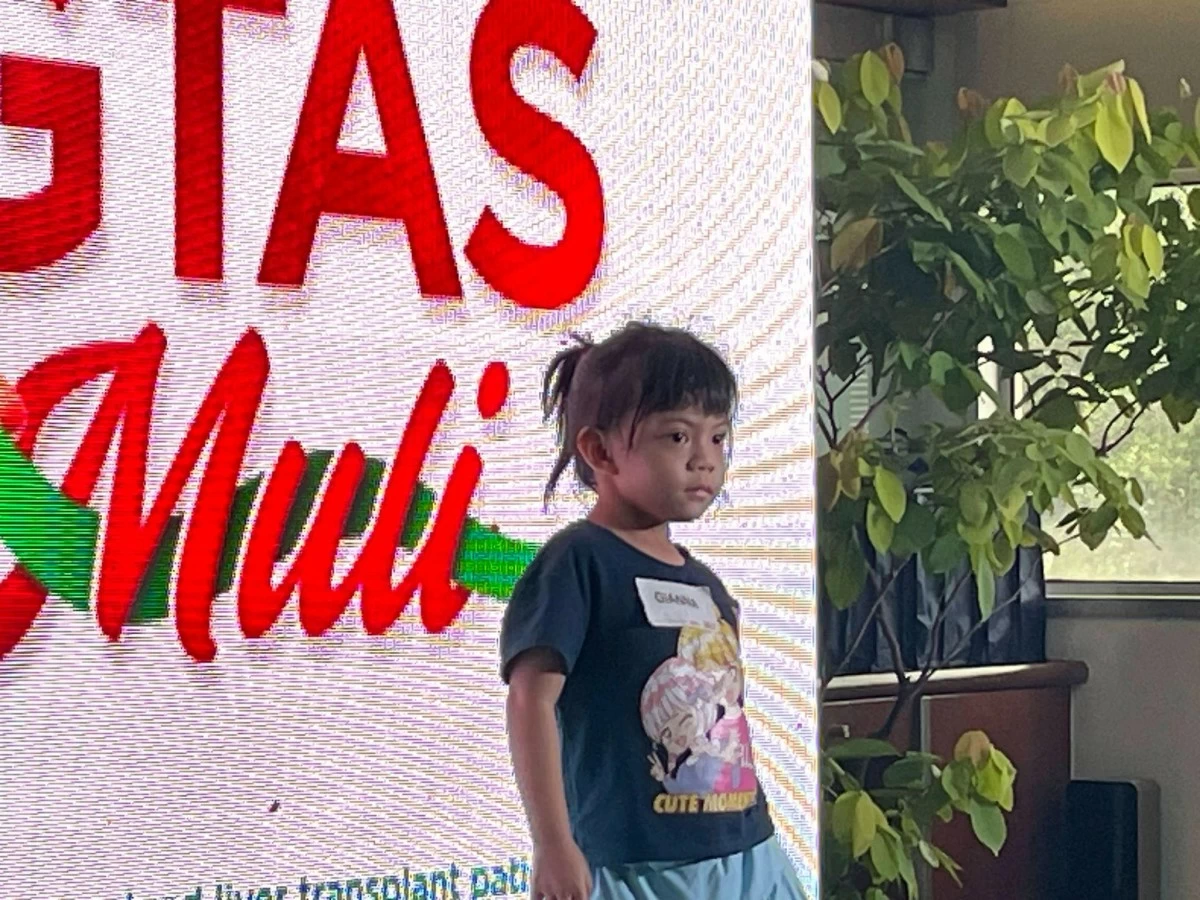
Liver donor Jennifer A. Visto, mother of transplant recipient Gianna Visto, shared their heartfelt journey of hope and recovery during the event.
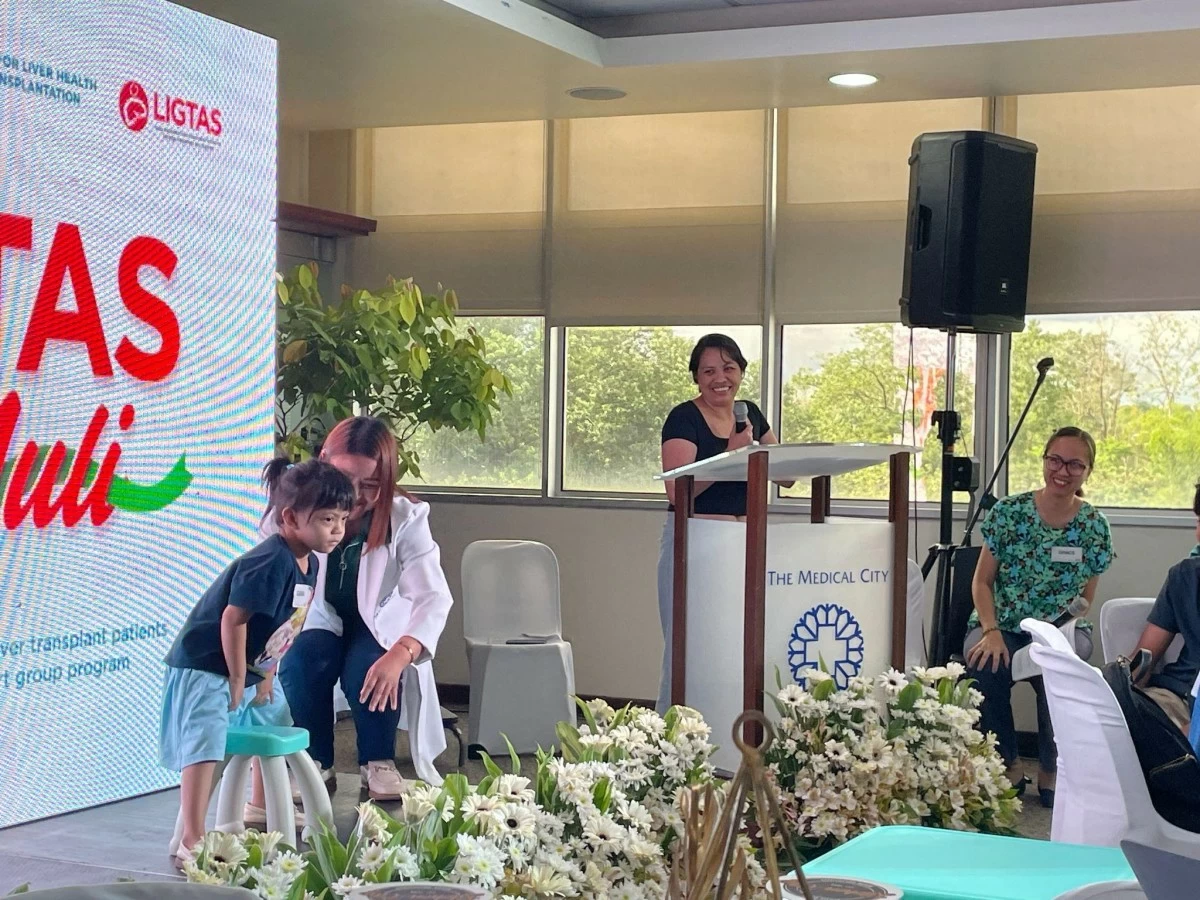
Liver donor Jennifer A. Visto, mother of transplant recipient Gianna Visto, shared their heartfelt journey of hope and recovery during the event.
“When my daughter was diagnosed with biliary atresia and the doctor said that it could cost millions, I didn’t think twice about going through with the transplant just to make sure she survives,” Jennifer shared during the recent relaunch of LIGTAS, the liver transplant support group at The Medical City.
Despite the odds, Jennifer became her daughter’s living donor, offering not just a part of her liver, but the greatest gift of all, a second chance at life.
Gianna’s story is just one reflection of what countless Filipino families go through and what love and determination can achieve.
Biliary atresia is the most common cause of end-stage liver disease in children. This is a rare and severe liver disease in infants where the bile ducts become blocked or scarred. This leads to progressive liver damage, and ultimately, liver failure occurring in one of every 16,000 newborns. Without timely intervention, these young patients face liver failure, leading to premature death.
For many Filipino families, the only hope lies in undergoing a liver transplant. However, due to financial constraints and limited local resources, most of them are forced to seek medical treatment abroad, particularly in India and Taiwan, where the costs are relatively lower.
While the expertise to perform pediatric liver transplants exists within the country, inadequate financial support and systemic challenges hinder many Filipino children from accessing this life-saving procedure locally.
The urgent need for support
To address this gap, TMC and Rizal Medical Center (RMC) established the Joint TMC-RMC Liver Transplant Program which marks a significant step forward in addressing the growing burden of liver diseases, providing hope for patients in need of advanced care without leaving the country.
The collaboration leverages TMC’s established expertise in liver transplantation and RMC’s commitment to expanding hepatobiliary services to develop a comprehensive program for liver transplants and organ donation.
Pioneering liver transplant surgeon Dr. Vanessa De Villa, the director of Center for Liver Health and Transplantation (CLHT) at TMC stresses that liver transplants for children should receive as much attention as other critical illnesses like kidney disease. "Maybe it’s not a current priority like primary healthcare and kidney disease, which are more well-known, but liver transplant and end-stage liver disease also need attention," she states.
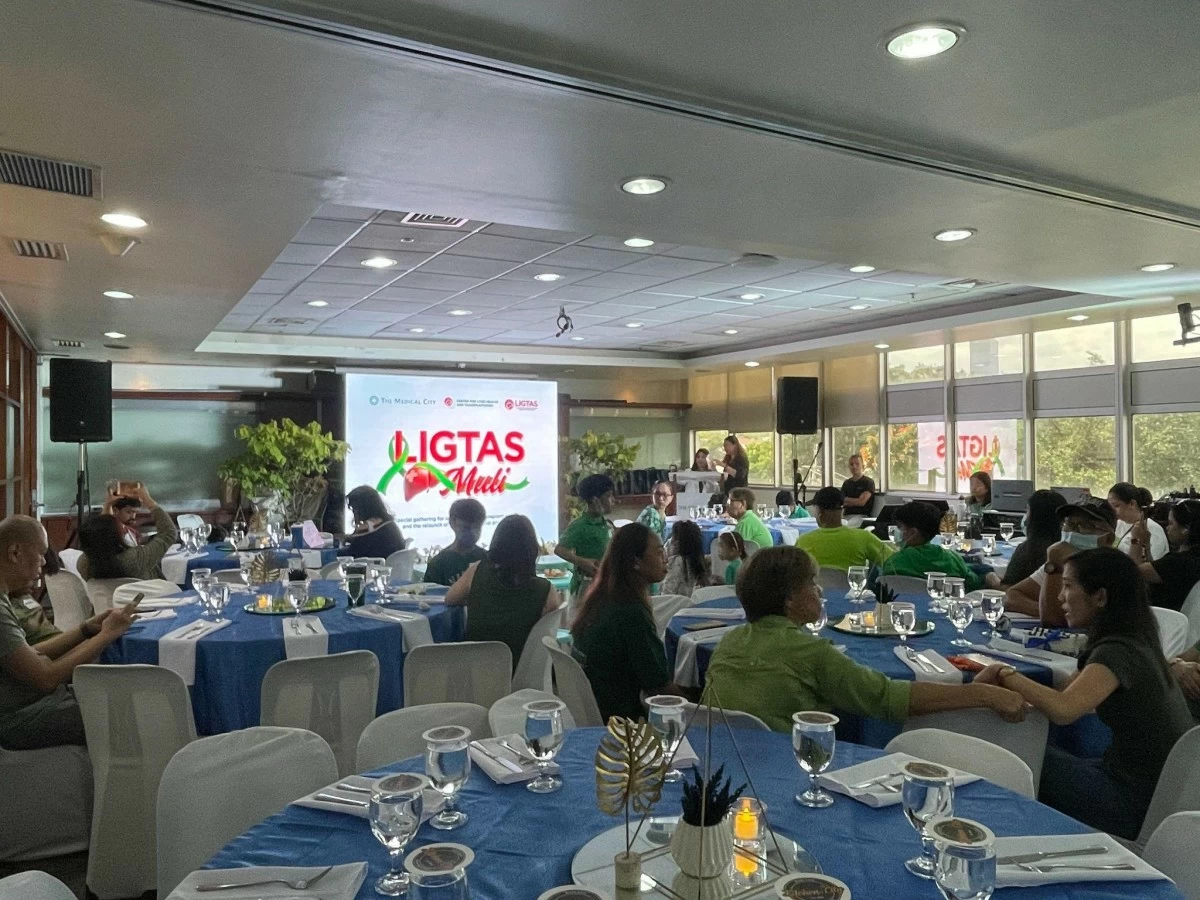
On March 29, 2025, The Medical City relaunched its Liver Transplant, Information, and Guidance through Awareness and Support (LIGTAS) group, bringing together liver transplant patients and donors, both survivors and those still on their journey.
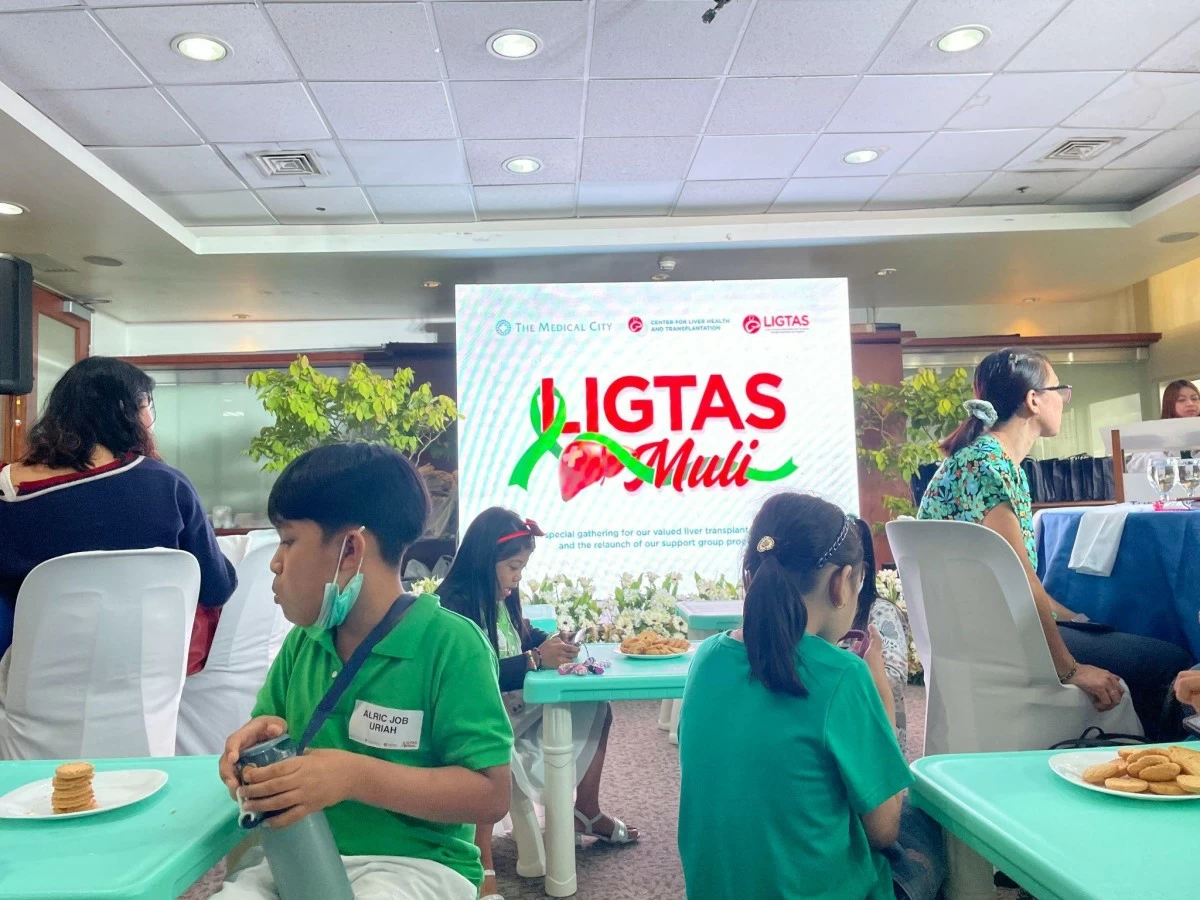
On March 29, 2025, The Medical City relaunched its Liver Transplant, Information, and Guidance through Awareness and Support (LIGTAS) group, bringing together liver transplant patients and donors, both survivors and those still on their journey.
To guide patients and their families through their liver transplantation journey, TMC has reintroduced the Liver Transplant, Information, and Guidance through Awareness and Support (LIGTAS) group that serves as a safe space or support group for old and new patients to share experiences and uplift one another emotionally, mentally, and even financially.

Dr. Vanessa de Villa delivered the opening remarks at the relaunch of LIGTAS, a support group for liver transplant patients and donors.
During the recent relaunch of LIGTAS, hope was evident in the eyes of children who had survived their transplant journey and the parent-donors who had sacrificed everything to give their children a chance at life. These families experienced firsthand the difficulty of raising money for an operation that should ideally be covered by a robust healthcare system. The Philippine Charity Sweepstakes Office (PCSO) offers financial assistance programs for individuals with serious health conditions, including those in need of a liver transplant. Philhealth provides medical assistance during the recovery period.
Dr. De Villa asserts that with enough support, the Philippine healthcare system can provide world-class liver transplantation services at a more affordable cost. "Our healthcare workforce has the talent and the skills. Many of our doctors have undergone specialized training abroad. The problem is that we lack financial support, a more organized organ donor system, and institutional backing to establish pediatric liver transplantation as a standard procedure," she explains.
Boosting pediatric liver transplantation services in the country is not just about saving individual lives, it is about reinforcing the country's healthcare infrastructure to handle complex medical conditions. LIGTAS and TMC-RMC Joint Liver Transplant Program are a crucial step toward addressing the urgent need for pediatric liver transplants in the country.
Every child deserves the chance to grow, dream, and live. For more information about TMC’s liver transplantation, visit www.themedicalcity.com or send them a message on m.me/TheMedicalCity.