






The Department of Agriculture (DA) has extended the deadline for the issuance of fish and seafood import permits to the end of June, following the government’s recent policy shift in importation.
Manila Bulletin
 Business
The Economy
DA extends deadline for issuance of fish import permits to end-June
Business
The Economy
DA extends deadline for issuance of fish import permits to end-June
Business
The Economy
DA extends deadline for issuance of fish import permits to end-June
DA extends deadline for issuance of fish import permits to end-June
Published Jun 3, 2025 04:28 pm


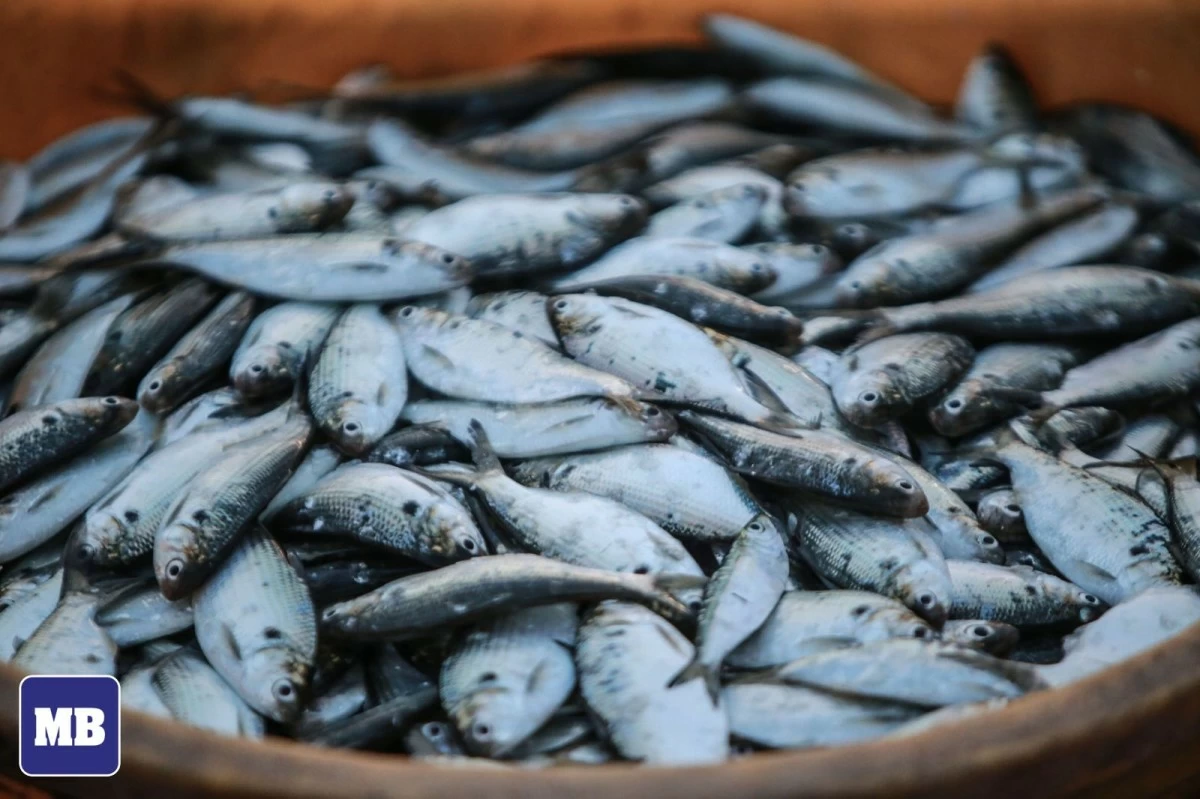
(Manila Bulletin file photo)
President Ferdinand “Bongbong” Marcos Jr. has ordered the DA to “rationalize” fish importation to stabilize supply and prices for tourism and high-end food sectors.
Marcos said the new policy is to bring products such as fish into the country, while generating more jobs and attracting investments.
Agriculture Secretary Francisco Tiu Laurel is pushing the deadline to the end of the month to give more imports time to adjust to the new policy.
Earlier this year, the DA approved the importation of up to 25,000 metric tons of fish and seafood, primarily for the food service, tourism, and hospitality industries.
However, only about a quarter of that volume has been brought into the country so far.
Laurel said the low uptake was caused by the strict importation timelines and sourcing constraints.
“It’s more of a systemic issue than low demand,” said Laurel. “The timeframes we set were too short, and many of the approved products were out of season in their countries of origin.”
“It was also challenging for some importers to meet requirements tied to larger volume allocations,” he added.
The DA’s approved list of imports covers a variety of species, including salmon, cod, tuna by-products, squid, scallops, octopus, and lobster.
These marine products are allowed to be sourced from other countries as they are not locally sufficient.
Laurel said the only exception to the approved imports is sardines, which were allowed because it was off-season in certain fishing grounds.
“Sardines are the most affordable fish available to help address inflation concerns,” he noted.
Importers accredited under Fisheries Administrative Order (FAO) 195 and those registered under FAO 259 are eligible for fish import allocations through the Certificate of Necessity to Import, which allows importation during the closed fishing season.
FAO 195 covers the importation of fresh, chilled, or frozen fish and aquatic products, while FAO 259 applies to imports for wet markets during the closed season.