ADVERTISEMENT

ACEN's SanMar Solar unlocks opportunities for indigenous communities in Zambales

Bridging gaps and empowering growth through inclusive clean energy development

Published Jun 3, 2025 05:28 pm
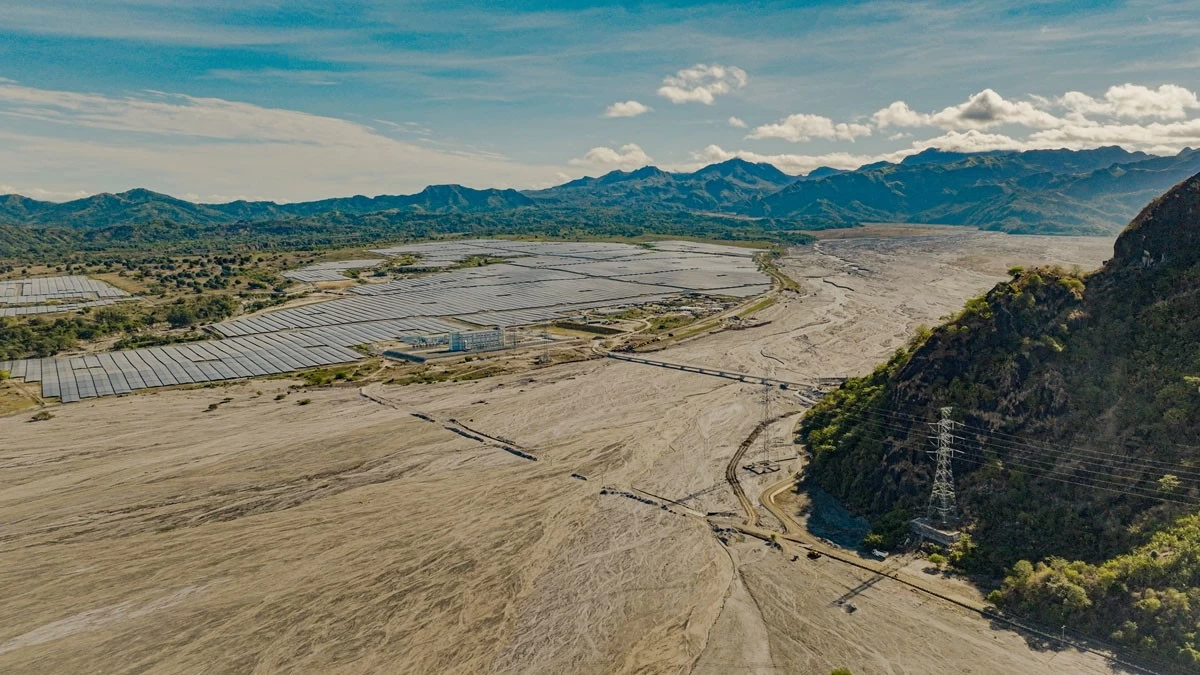
The 585 MW SanMar Solar project, the largest solar farm in the Philippines to date, was built on a barren, lahar-covered expanse of unutilized land in San Marcelino, Zambales.
ACEN, the listed energy platform of the Ayala Group, continues to demonstrate its commitment to inclusive and sustainable growth through its 585 MW SanMar Solar project, the largest solar farm in the Philippines to date.
What was once a barren, lahar-covered expanse of unutilized land—isolated and inaccessible—is now a powerful symbol of transformation. SanMar Solar not only delivers clean energy to the Luzon grid but also bridges long-standing gaps in infrastructure, opportunity, and social equity for its host communities, particularly indigenous peoples (IPs) in the area.
Powering communities beyond energy
Built across more than 500 hectares of land affected by the 1991 Mt. Pinatubo eruption, SanMar Solar has created over 3,600 green jobs—prioritizing locals from Barangays Santa Fe, San Rafael, and Aglao—and has provided indigenous peoples with opportunities to actively participate in the country’s energy transition.
Through a partnership with the National Commission on Indigenous Peoples (NCIP), ACEN signed a memorandum of agreement in 2023 to provide up to ₱50 million in support of community-led development initiatives across San Marcelino and Papaya Gala. These investments cover livelihood assistance, educational support, organizational development, pandemic and calamity response, and water supply system improvement, as identified by the IP communities.
An additional ₱2 million has been allocated to support the formation and official recognition of the San Marcelino Indigenous Political Structure/Organization (IPS/IPO), which includes tools for geotagging and demographic data gathering to strengthen governance and planning.
ACEN also reinforced its support for the community during times of calamities. In the wake of Typhoon Carina in 2024, which devasted several areas in Luzon, including SanMar Solar’s host community, Brgy. Santa Fe, torrential rains rendered the area nearly impassable, cutting off the community and leaving residents in urgent need of assistance.
But the company, through its external affairs and development team, swiftly launched a relief operation—braving zero visibility, flood risks and treacherous roads to deliver aid. The team provided 180 liters of fuel, 500 food packs and essential supplies, embodying the bayanihan spirit and bringing much-needed relief in the face of adversity.
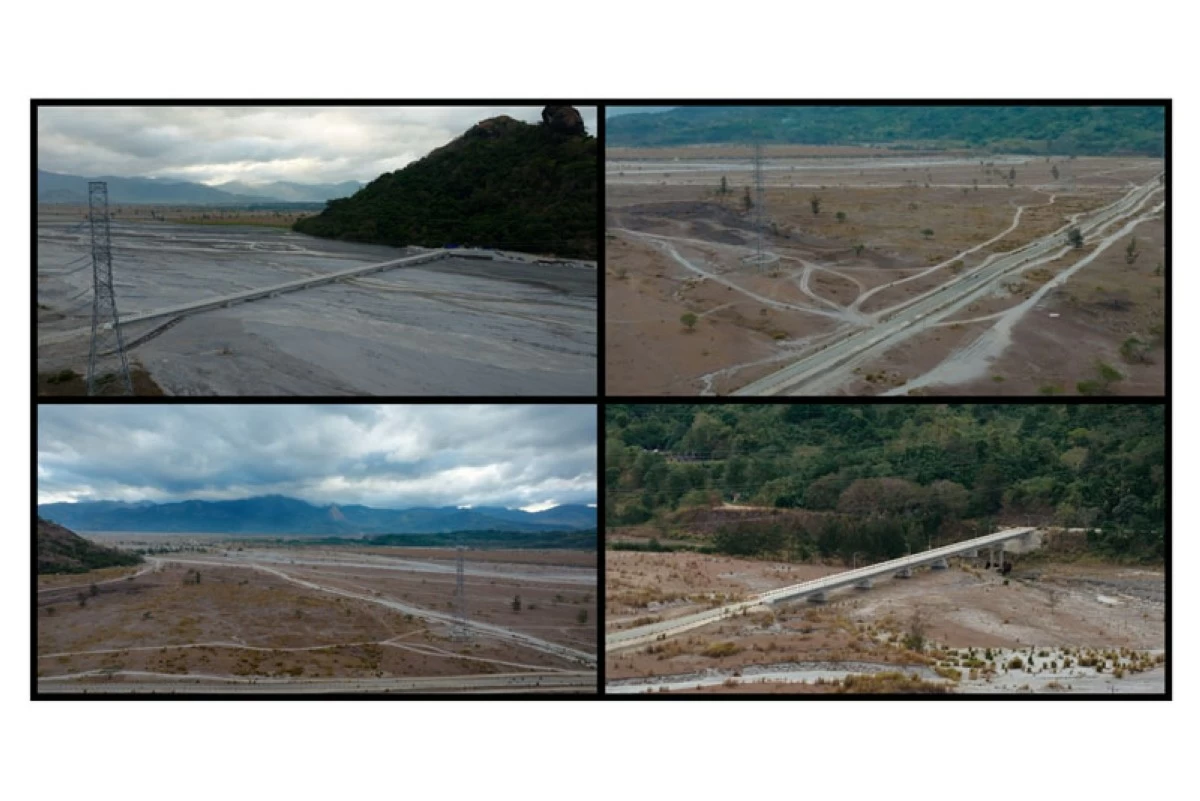
ACEN built access roads and bridges for the communities, reducing travel time from up to five hours to just one for IP residents traveling to San Marcelino town.
Bridging access, improving lives
More than a solar facility, SanMar Solar has unlocked greater accessibility for remote communities. Nearly six kilometers of roads and two concrete bridges were constructed, reducing travel time from up to five hours to just one for IP residents traveling to San Marcelino town. A 14-kilometer transmission line and new substation now connect this previously underserved area to the power grid.
ACEN is also investing an additional ₱13.9 million to build new community roads, linking project infrastructure with distant sitios where many indigenous families reside.
Grounded in respect and cultural partnership
In December 2023, ACEN joined the IP community and local government representatives in a traditional Padugo ritual at SanMar Solar. This cultural ceremony marked the IP community’s blessing of the project and reaffirmed their role as active partners in its development. The occasion also marked the first time the ritual had been conducted in several years, highlighting the importance of meaningful engagement.
A solar future rooted in shared progress
SanMar Solar is being developed in three phases. Phases 1 and 2 are now operational, with Phase 3 expected to be completed by Q4 2026. Once fully completed, the project will power over 187,700 homes and avoid approximately 513,400 metric tons of carbon emissions annually—while continuing to serve as a model for inclusive, community-centered energy development.
ADVERTISEMENT
.most-popular .layout-ratio{ padding-bottom: 79.13%; } @media (min-width: 768px) and (max-width: 1024px) { .widget-title { font-size: 15px !important; } }

{{ articles_filter_1561_widget.title }}

.most-popular .layout-ratio{ padding-bottom: 79.13%; } @media (min-width: 768px) and (max-width: 1024px) { .widget-title { font-size: 15px !important; } }

{{ articles_filter_1562_widget.title }}

.most-popular .layout-ratio{ padding-bottom: 79.13%; } @media (min-width: 768px) and (max-width: 1024px) { .widget-title { font-size: 15px !important; } }

{{ articles_filter_1563_widget.title }}

{{ articles_filter_1564_widget.title }}

.mb-article-details { position: relative; } .mb-article-details .article-body-preview, .mb-article-details .article-body-summary{ font-size: 17px; line-height: 30px; font-family: "Libre Caslon Text", serif; color: #000; } .mb-article-details .article-body-preview iframe , .mb-article-details .article-body-summary iframe{ width: 100%; margin: auto; } .read-more-background { background: linear-gradient(180deg, color(display-p3 1.000 1.000 1.000 / 0) 13.75%, color(display-p3 1.000 1.000 1.000 / 0.8) 30.79%, color(display-p3 1.000 1.000 1.000) 72.5%); position: absolute; height: 200px; width: 100%; bottom: 0; display: flex; justify-content: center; align-items: center; padding: 0; } .read-more-background a{ color: #000; } .read-more-btn { padding: 17px 45px; font-family: Inter; font-weight: 700; font-size: 18px; line-height: 16px; text-align: center; vertical-align: middle; border: 1px solid black; background-color: white; } .hidden { display: none; }
function initializeAllSwipers() { // Get all hidden inputs with cms_article_id document.querySelectorAll('[id^="cms_article_id_"]').forEach(function (input) { const cmsArticleId = input.value; const articleSelector = '#article-' + cmsArticleId + ' .body_images'; const swiperElement = document.querySelector(articleSelector); if (swiperElement && !swiperElement.classList.contains('swiper-initialized')) { new Swiper(articleSelector, { loop: true, pagination: false, navigation: { nextEl: '#article-' + cmsArticleId + ' .swiper-button-next', prevEl: '#article-' + cmsArticleId + ' .swiper-button-prev', }, }); } }); } setTimeout(initializeAllSwipers, 3000); const intersectionObserver = new IntersectionObserver( (entries) => { entries.forEach((entry) => { if (entry.isIntersecting) { const newUrl = entry.target.getAttribute("data-url"); if (newUrl) { history.pushState(null, null, newUrl); let article = entry.target; // Extract metadata const author = article.querySelector('.author-section').textContent.replace('By', '').trim(); const section = article.querySelector('.section-info ').textContent.replace(' ', ' '); const title = article.querySelector('.article-title h1').textContent; // Parse URL for Chartbeat path format const parsedUrl = new URL(newUrl, window.location.origin); const cleanUrl = parsedUrl.host + parsedUrl.pathname; // Update Chartbeat configuration if (typeof window._sf_async_config !== 'undefined') { window._sf_async_config.path = cleanUrl; window._sf_async_config.sections = section; window._sf_async_config.authors = author; } // Track virtual page view with Chartbeat if (typeof pSUPERFLY !== 'undefined' && typeof pSUPERFLY.virtualPage === 'function') { try { pSUPERFLY.virtualPage({ path: cleanUrl, title: title, sections: section, authors: author }); } catch (error) { console.error('ping error', error); } } // Optional: Update document title if (title && title !== document.title) { document.title = title; } } } }); }, { threshold: 0.1 } ); function showArticleBody(button) { const article = button.closest("article"); const summary = article.querySelector(".article-body-summary"); const body = article.querySelector(".article-body-preview"); const readMoreSection = article.querySelector(".read-more-background"); // Hide summary and read-more section summary.style.display = "none"; readMoreSection.style.display = "none"; // Show the full article body body.classList.remove("hidden"); } document.addEventListener("DOMContentLoaded", () => { let loadCount = 0; // Track how many times articles are loaded const offset = [1, 2, 3, 4, 5, 6, 7, 8, 9, 10]; // Offset values const currentUrl = window.location.pathname.substring(1); let isLoading = false; // Prevent multiple calls if (!currentUrl) { console.log("Current URL is invalid."); return; } const sentinel = document.getElementById("load-more-sentinel"); if (!sentinel) { console.log("Sentinel element not found."); return; } function isSentinelVisible() { const rect = sentinel.getBoundingClientRect(); return ( rect.top < window.innerHeight && rect.bottom >= 0 ); } function onScroll() { if (isLoading) return; if (isSentinelVisible()) { if (loadCount >= offset.length) { console.log("Maximum load attempts reached."); window.removeEventListener("scroll", onScroll); return; } isLoading = true; const currentOffset = offset[loadCount]; window.loadMoreItems().then(() => { let article = document.querySelector('#widget_1690 > div:nth-last-of-type(2) article'); intersectionObserver.observe(article) loadCount++; }).catch(error => { console.error("Error loading more items:", error); }).finally(() => { isLoading = false; }); } } window.addEventListener("scroll", onScroll); });

Sign up by email to receive news.