






 Philippines
National
Ukraine to deploy defense attaché to PH to develop bilateral ties
Philippines
National
Ukraine to deploy defense attaché to PH to develop bilateral ties
Ukraine to deploy defense attaché to PH to develop bilateral ties


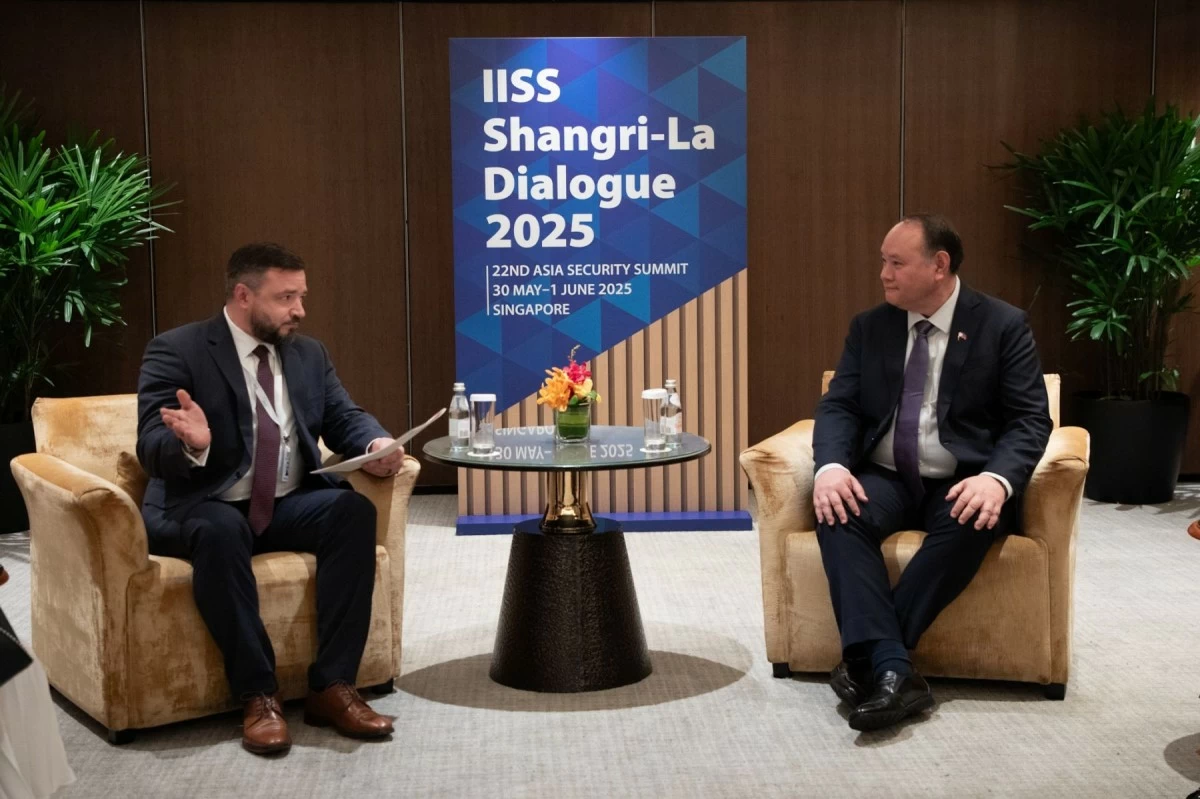
Ukraine will assign a defense attaché to the Philippines as part of efforts to develop bilateral defense cooperation.
This was revealed during the bilateral meeting of Department of National Defense (DND) Secretary Gilberto Teodoro Jr. and Ukrainian Deputy Minister of Defence Oleksandr Kozenko on the sidelines of the Shangri-La Dialogue in Singapore on Sunday, June 1.
According to the DND, Teodoro “expressed admiration for the Ukrainian people's resilience and extended prayers for their continued strength” amid its ongoing war with Russia.
On the other hand, Kozenko thanked the Philippines for its support of Ukrainian sovereignty and territorial integrity.
He then shared the upcoming assignment of a Ukrainian defense attaché to Manila, “who will help develop bilateral defense ties.”
Details about the deployment of a Ukrainian defense attaché to the Philippines remain scarce although it signals the European country’s strategic effort to strengthen international partnership amid Russia’s invasion.
The development followed Ukrainian President Volodymyr Zelensky’s visit to President Marcos Jr. at the Malacañan Palace in Manila last year.
There, Zelensky thanked Marcos for Manila’s support to Kyiv, particularly in supporting a United Nations (UN) resolution condemning Russia’s aggression.
Meanwhile, Teodoro expressed the country’s interest in advancing technological development and highlighted the value of Ukraine's experience in this field.
For his part, Kozenko expressed interest in learning from the Philippines, especially in areas of maritime disaster response and post-trauma recovery.
“Both sides remain committed to upholding international law, with Ukraine emphasizing its adherence and strict compliance with the Geneva Conventions, and openness to defense cooperation with the Philippines,” the DND said in a statement on Monday, June 2.
PH ties with Japan, Netherlands
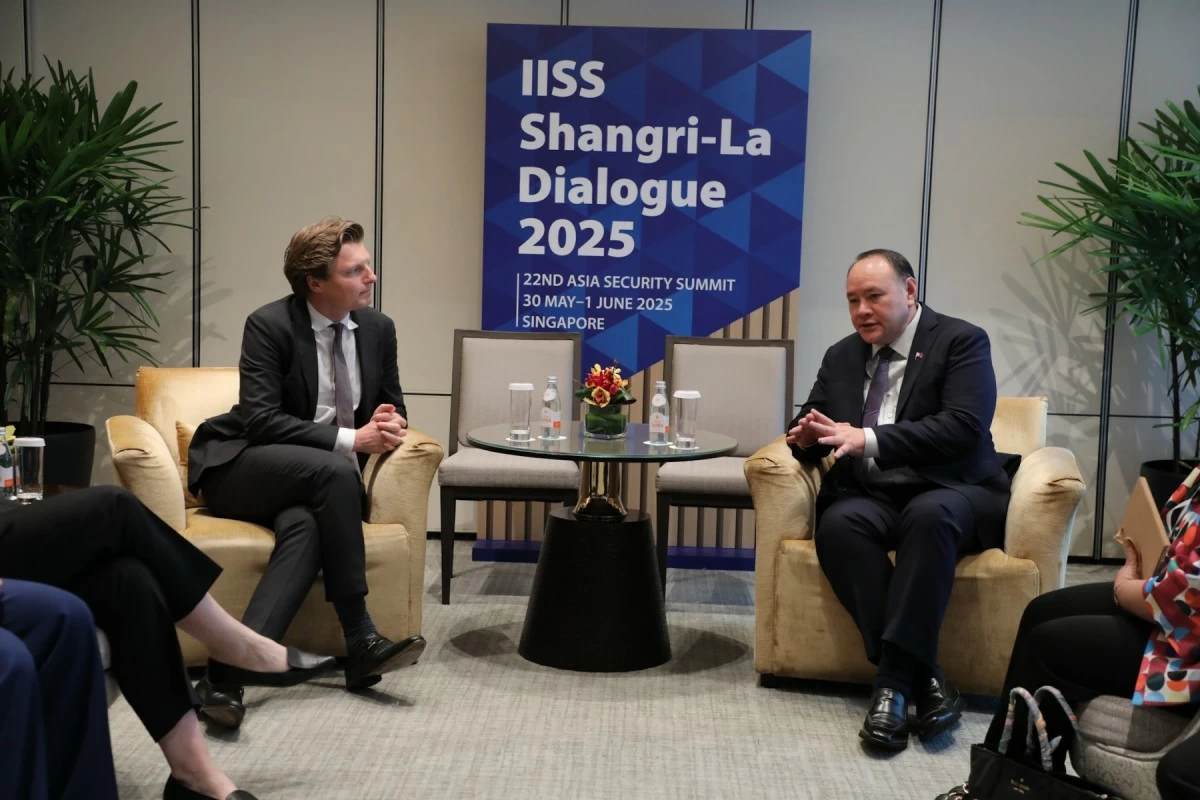
Meanwhile, Teodoro also held high-level security engagements with Japanese Defense Minister Gen Nakatani and Dutch Minister of Defence Ruben Brekelmans.
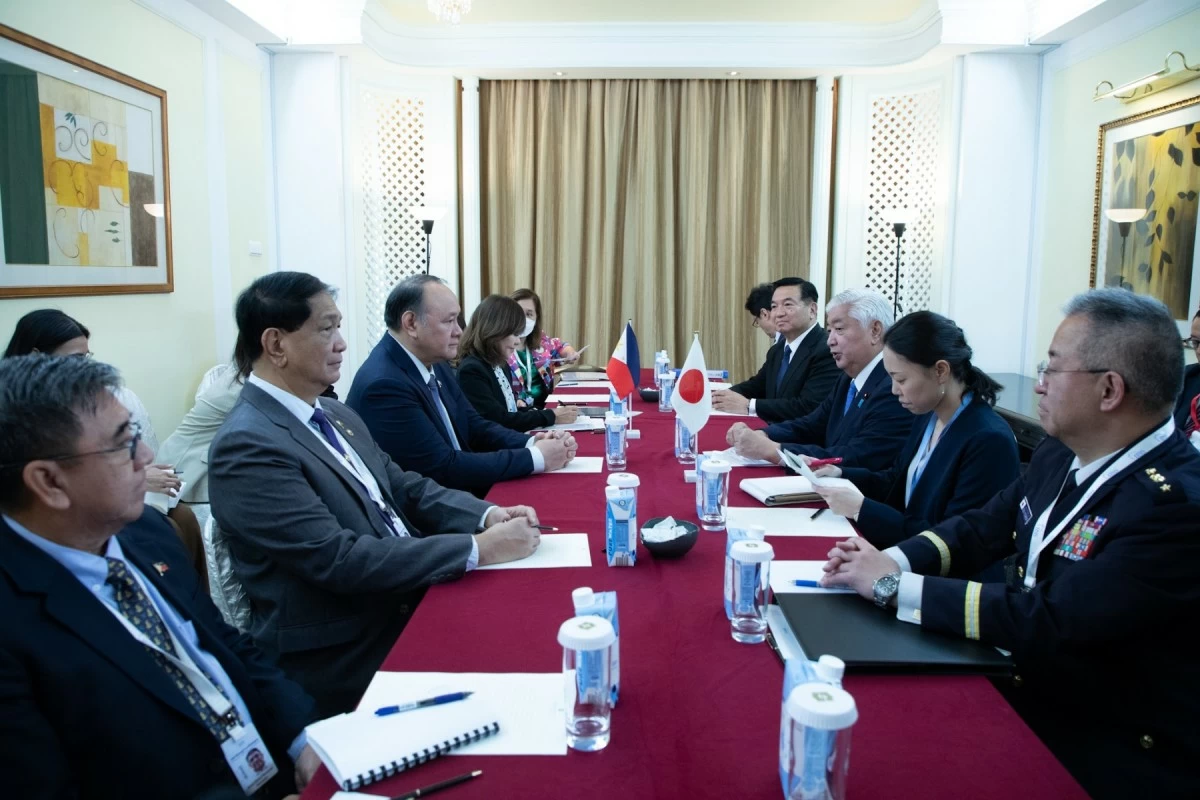
Teodoro thanked Nakatani for Japan’s continued trust and goodwill while the Japanese defense chief welcomed the DND secretary’s retention in office and reaffirmed Japan’s interest in establishing deeper defense ties through joint exercises like the Balikatan and Kamandag upon the entry into force of the Philippines-Japan Reciprocal Access Agreement (RAA).
“Japan and the Philippines are both beset by, on the one hand, the threat of Chinese expansionism and on the other, natural calamities and disasters where we both have to cooperate and coordinate with,” Teodoro said.
In his meeting with Brekelmans, Teodoro pointed out the risks posed by functional illiteracy, especially in terms of misinformation and disinformation acceptance, and expressed interest in learning from the Netherlands' best practices in defense governance.
Brekelmans echoed support for the rules-based international order and conveyed interest in exploring joint military activities with the Philippines.
‘Strengthen cross-regional security cooperation’
During a plenary session on cross-regional security interlinkages, Teodoro also emphasized the effects of cross-regional trends on the security of the Philippines and the outlook of Southeast Asia.
The defense chief said among these is the strategic competition between the United States and China, which increasingly defines the regional and security environment, and likewise endangers the portrayal of legitimate actions taken by smaller states as being carried out at the behest of major powers.
“I would like to reiterate that our position on the West Philippine Sea is not a function of Sino-American strategic rivalry. Instead, it is caused by the overreach of the Chinese Communist Party,” Teodoro said.
He added that the strategic and security effects of disruption of integrated global supply chains and decision-making gridlocks in multilateral organizations prompted the prevalence of networked alliances and minilateralism.
To address these challenges, Secretary Teodoro called for better cross-regional security cooperation through joint strategic dialogues, such as trilateral or quadrilateral summits of regional blocs on shared security concerns.
He also called for reforms in the United Nations to allow broader participation of member states, particularly in the Security Council, adding that “there is a need to curtail the use of the veto, as its exercise may serve as a hindrance to the interests of smaller states, especially those besieged by larger ones.”