







SRA seeks emergency powers to combat sugar pest in Negros


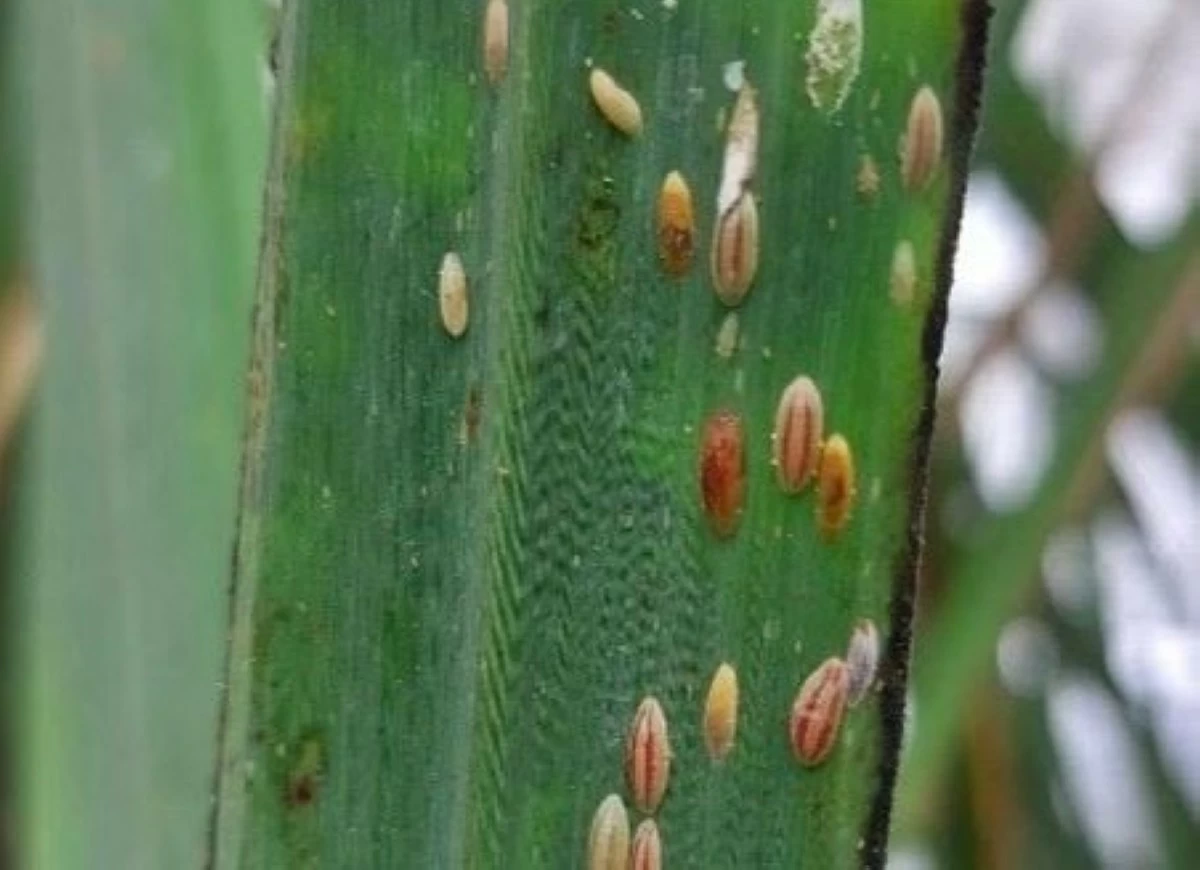
The Sugar Regulatory Administration (SRA) is seeking emergency powers to contain the spread of red-striped soft scale insects (RSSI) on Negros Island, raising concerns over their potential impact on sugar production and overall supply.
SRA Deputy Administrator Ignacio Santillana stated that the sugar agency is in dire need of a policy for emergency use to expedite the procurement and distribution of pesticides.
Santillana said strict regulations of the Commission on Audit (COA) make it difficult for SRA to procure the needed pesticides to curb RSSI swiftly.
“We currently want to utilize ₱1.5 million for pesticide purchase while we are waiting for the assistance from the Department of Agriculture (DA), but our hands are tied unless there is a policy in place for emergency purchase, and considering the rate of spread, this is an emergency,“ he said.
The presence of RSSI was first noted during the tail-end of March in northern Negros Occidental.
It was officially declared an infestation on May 22 when it spread over 87 hectares.
Eight days later, the infestation has spread to over 424 hectares, prompting the SRA to seek help from the DA and other government agencies for quarantine measures.
Based on a study from the National Crop Protection Center (NCPC), at least five insecticides have been confirmed to limit the infestation: buprofezin, dinotefuran, phenthoate, pymetrozine, and thiamethoxam.
In a recent inter-government agency meeting, SRA Administrator Pablo Luis Azcona called on sugar mills to strictly monitor the movement of canes and planting materials.
Azcona earlier stated that RSSI was first observed in Luzon in 2020 and was subsequently contained, only to reappear—this time in Negros Island, which accounts for 60 percent of the country’s total sugar production.
Based on SRA data, 13 towns and cities in Negros Occidental have reported the presence of RSSI. Mabinay town in Negros Oriental and Anilao town in Panay also reported the pest.
The agency, however, is of the belief that the infestation is broader than what is reported. It said the limitations they have in manpower slow down verification efforts.
Azcona has since asked for assistance from local agriculturists, as well as the Bureau of Plant Industry (BPI), to ensure that the infestation will not spread into other islands.
“I am confident we can arrest this with the help and cooperation of everyone, but if we don’t, this is hitting the sugar industry at its heart because Negros is also the major source of sugar for the country,” said Azcona.
“All the more why we need to come up with regulations and policies in place because somebody has to take responsibility for what’s happening now,” he added.
Azcona said he has sent a letter requesting ₱10 million in assistance from the DA, which was “well-received” by Agriculture Secretary Francisco Tiu Laurel.
SRA’s research unit has confirmed that high temperature is a key factor in the rapid population increase of RSSI.
It is currently exploring the use of natural predators that can attack RSSI, as the use of pesticides would add further production costs to farmers.
Even then, the sugar agency is still keen on harnessing pesticides, particularly through the potential use of drones for a wider range of applications.
Azcona said this will be carefully studied, and if proven effective, the private sector will be called on for such equipment.