







Microfinance frontliners: Unsung heroes of hope (Part 2)
Published Jun 2, 2025 12:05 am
|
Updated Jun 1, 2025 03:49 pm


FROM THE MARGINS
This is the second installment in my tribute series to the unsung heroes of financial inclusion—the microfinance workers who serve with courage, compassion, and commitment in the field.
Last week, I had the honor of sharing stories from our remarkable Area and Branch Managers in Cebu. This week, I continue the journey by highlighting the lives of equally dedicated frontliners from other regions and institutions.
Their stories go far beyond job descriptions. These are tales of resilience forged through hardship, of ordinary people doing extraordinary work under the radar — helping families build livelihoods, empowering communities, and keeping hope alive in places often overlooked.
Faith and courage
Alexander de Celis, Jr. has been working with ASKI Microfinance for 15 years. Starting as a project/loan officer in 2010, he is now the branch manager of ASKI’s Santiago City Branch. But beyond his title lies a story of deep faith, resilience, and unwavering service.
His journey with ASKI was sparked by his mother—an ASKI member—who requested that her son be considered for employment since the MFI prioritizes the hiring of clients’ children. At the time, Alex had just resigned from a job that conflicted with his Sunday church commitments. He was glad to accept the job offer after the interview. What sealed the deal for him? ASKI had no work on Sundays and prioritized values aligned with his faith.
In his early days, Alex joined loan officers in fieldwork and was surprised to find that center meetings opened with praise, worship, and Bible sharing. But the job soon tested more than his spirit. Just two months in, he accidentally bumped into a new car and his salary for the next few months went into paying for damages. He thought that would be his toughest work challenge, but in 2013, he nearly lost his life when six robbers ambushed and shot him while he was working in a remote barangay. Bleeding and alone, he prayed for help. Miraculously, a deaf-mute man on a motorcycle appeared and brought him to safety. The bullet remains lodged near his spine to this day.
His trials did not end there. During the pandemic, Alex battled severe Covid-19 after visiting a client. He has faced many dangerous encounters on the job, including being cursed and threatened (even chased with a bolo) by irate clients who did not want to pay their loans.
Despite all this, Alex stands firm. “There are many difficulties in this job,” he says, “but I find hope in our mission. Seeing our clients thrive—build homes, grow businesses—makes everything worth it.”
Today, he mentors his team with the same conviction: “What we do changes lives. Let’s continue to serve where we are needed.”
Unexpected path
Rodel Astrologo never imagined a future in microfinance. He dreamt of working in an office using his degree in Customs Administration. But after months of unanswered applications, he worked as a barber —until a friend urged him to apply at Kasagana-Ka Cooperative (K-Coop).
Despite knowing little about cooperatives, Rodel joined as a socio-economic officer in 2009. His first field exposure was in Payatas, a community near a dumpsite. There, he saw poor women working together not just to repay loans, but to build each other up. It was a turning point. “I was inspired by the camaraderie and our role in empowering the members and helping the community,” he said.
The road was not easy. Rodel recalls getting drenched in the rain, collecting payments alone at night and being gripped with fear—but always returning home thankful. A member’s ₱10,000 loan default early in his career was a painful lesson in due diligence. He later faced bigger challenges as a district manager, including fraud cases that shook clients’ trust. “It’s hard to restore confidence after fraud,” he admits, “but we strengthen systems, meet victims with honesty and recommit to our mission.”
Sacrifices were inevitable—he often missed time with his wife and children. But his family's understanding and the visible impact on members' lives kept him going.
Now over a decade in, Rodel’s message to fellow community workers is clear: “Love your work. Love the communities you serve. Let’s inspire our members to hope—and remind them, and ourselves, why we do what we do.”
Lives, not numbers
Microfinance is often seen in numbers—loan portfolios, repayment rates, outreach metrics. But behind every statistic is a story powered by people like Alex and Rodel—frontline workers who go above and beyond, often at great personal risk, to ensure that financial services reach those who need them most.
Their journeys remind us that inclusion is not just a policy goal—it is a personal mission lived daily by people who believe in transformation—one loan, one member, one life at a time.
* * *
“True success is not in what we have, but in who we lift up.”
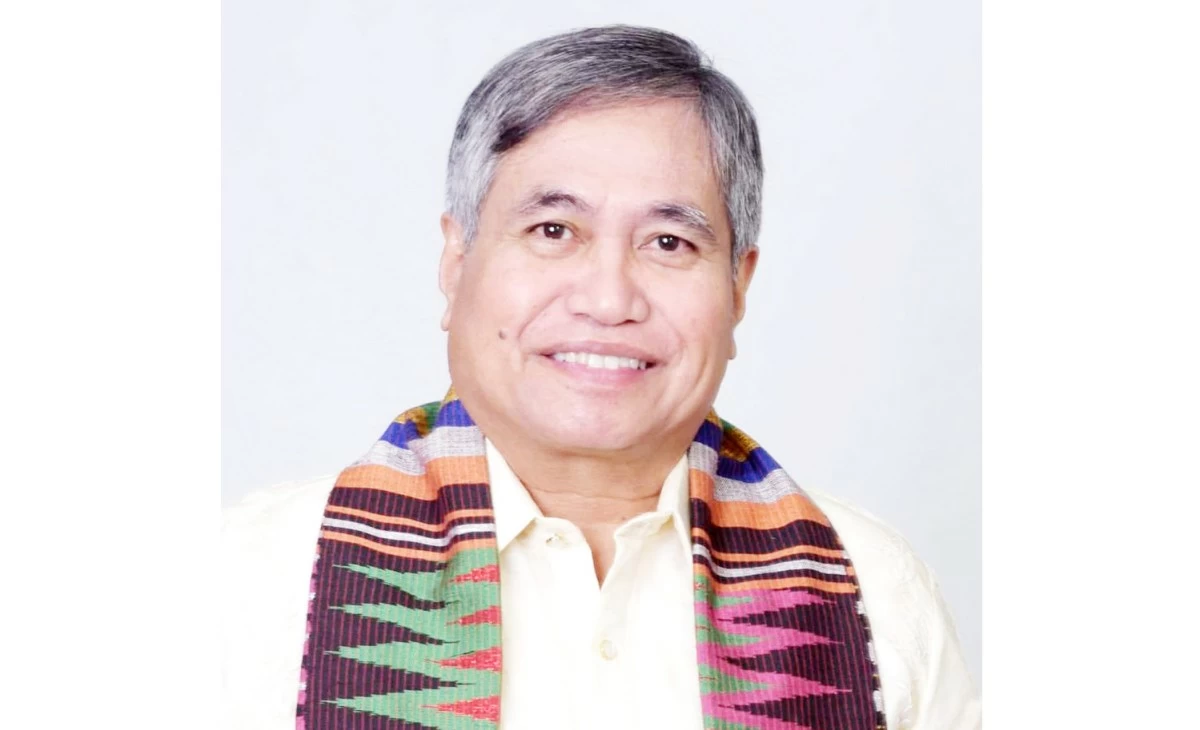
(Dr. Jaime Aristotle B. Alip is a poverty eradication advocate. He is the founder of the Center for Agriculture and Rural Development Mutually-Reinforcing Institutions (CARD MRI), a group of 23 organizations that provide social development services to eight million economically-disadvantaged Filipinos and insure more than 27 million nationwide.)