ADVERTISEMENT

EDSA rehab: Government shifts gears, now aims for six-month completion

Published Jun 2, 2025 01:02 pm

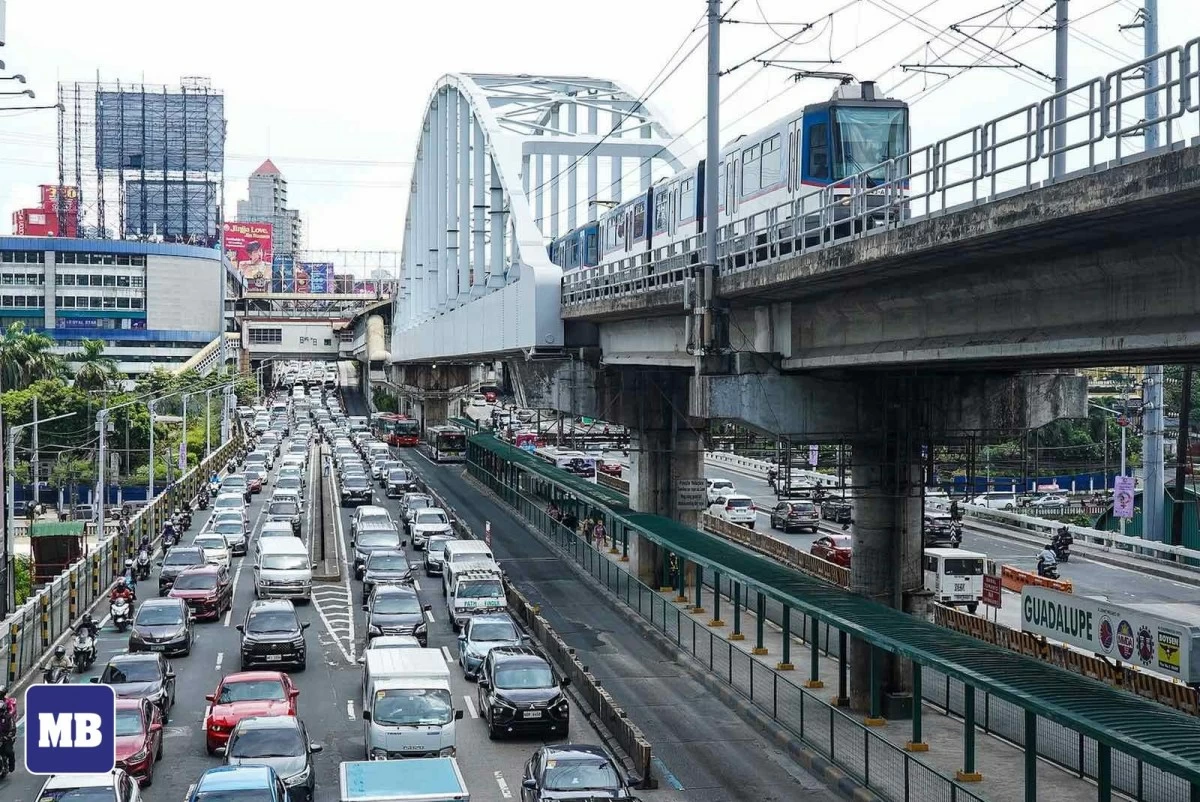
The decades-long wait for the rehabilitation of Metro Manila’s main thoroughfare will take even longer as the government prepares to overhaul its plans on the project after President Marcos ordered the construction to be cut to just six months.

The Department of Public Works and Highways (DPWH), Department of Transportation (DOTr), and Metropolitan Manila Development Authority (MMDA)—the agencies in charge of the rebuild project—disclosed last month the government’s ₱8.7 billion plan to improve EDSA.

The project, which aims to transform EDSA into a commuter- and pedestrian-friendly highway, is expected to take between 1.5 and 2 years.

On Sunday, June 1, Marcos announced the postponement of the project for one month to accommodate a new construction plan. Preparatory work was scheduled for June 13.

This plan, he said, is focused on shortening the timeline to just six months to a year, aiming to reduce the inconvenience and heavy traffic expected from the project.

In a press briefing on Monday, Transportation Secretary Vince Dizon stated that this is a “clear message” from the President, acknowledging the challenges the project will bring to residents of the capital region.

“So what the President has said is ‘let's go back to the drawing board,’ let's find a better way that is shorter and, obviously, if it's shorter it will be cheaper,” said Dizon.

The secretary floated that Marcos has spoken to specific groups that told him of “non-conventional ways” of expediting the project.

The country’s top leader was quoted as saying that the government has seen “new technologies” that were not used in the planning of the EDSA rebuild.

Dizon did not divulge what these new methods are, but noted that “there are better ways.”

He said the new plan will shift from the “conventional method” of repairing the highway lane by lane, which will require a longer time.

As the first major rebuild of EDSA since 1980, the government had earlier planned to replace the pavement with new concrete and asphalt.

After the President’s announcement, the agencies overseeing the project return to the drawing board to determine the new direction.

With limited time to devise a plan, Dizon has cast doubt on whether the one-month pause is sufficient.

“I'm not sure if that's enough, we will have to find out,” he pointed out.

He, however, denied that these sudden changes is just a convoluted prelude to an indefinite suspension of the rehabilitation efforts—which already happened several times over the course of different administrations.

“The President's resolve is not only in rebuilding EDSA but in making sure that the inconvenience to the motoring public and to the computers is minimized, using the most advanced technology that is out there,” said Dizon.

With the postponement of the project, the No Contact Apprehension Policy (NCAP) is expected to remain.

The DOTr chief said the NCAP, in which the MMDA oversees traffic violations through CCTVs, is an efficient way for the government to enforce traffic rules.

Likewise, traffic mitigation measures such as more buses in the EDSA Carousel and adding more capacity to Metro Manila’s railways will still be implemented despite a suspension in the project.

On the contrary, the odd-even scheme will not be pursued. Further, the free toll in Skyway Stage 3 will be on hold.

“Finding a better way is not just about the technology that's going to be used to construct and to rebuild EDSA, it's also finding better ways of mitigating the effects of a rebuild,” said Dizon.

Related Tags

Department of Transportation (DOTr) No Contact Apprehension Policy (NCAP) EDSA rebuild EDSA rehabilitation
ADVERTISEMENT
.most-popular .layout-ratio{ padding-bottom: 79.13%; } @media (min-width: 768px) and (max-width: 1024px) { .widget-title { font-size: 15px !important; } }

{{ articles_filter_1561_widget.title }}

.most-popular .layout-ratio{ padding-bottom: 79.13%; } @media (min-width: 768px) and (max-width: 1024px) { .widget-title { font-size: 15px !important; } }

{{ articles_filter_1562_widget.title }}

.most-popular .layout-ratio{ padding-bottom: 79.13%; } @media (min-width: 768px) and (max-width: 1024px) { .widget-title { font-size: 15px !important; } }

{{ articles_filter_1563_widget.title }}

{{ articles_filter_1564_widget.title }}

.mb-article-details { position: relative; } .mb-article-details .article-body-preview, .mb-article-details .article-body-summary{ font-size: 17px; line-height: 30px; font-family: "Libre Caslon Text", serif; color: #000; } .mb-article-details .article-body-preview iframe , .mb-article-details .article-body-summary iframe{ width: 100%; margin: auto; } .read-more-background { background: linear-gradient(180deg, color(display-p3 1.000 1.000 1.000 / 0) 13.75%, color(display-p3 1.000 1.000 1.000 / 0.8) 30.79%, color(display-p3 1.000 1.000 1.000) 72.5%); position: absolute; height: 200px; width: 100%; bottom: 0; display: flex; justify-content: center; align-items: center; padding: 0; } .read-more-background a{ color: #000; } .read-more-btn { padding: 17px 45px; font-family: Inter; font-weight: 700; font-size: 18px; line-height: 16px; text-align: center; vertical-align: middle; border: 1px solid black; background-color: white; } .hidden { display: none; }
function initializeAllSwipers() { // Get all hidden inputs with cms_article_id document.querySelectorAll('[id^="cms_article_id_"]').forEach(function (input) { const cmsArticleId = input.value; const articleSelector = '#article-' + cmsArticleId + ' .body_images'; const swiperElement = document.querySelector(articleSelector); if (swiperElement && !swiperElement.classList.contains('swiper-initialized')) { new Swiper(articleSelector, { loop: true, pagination: false, navigation: { nextEl: '#article-' + cmsArticleId + ' .swiper-button-next', prevEl: '#article-' + cmsArticleId + ' .swiper-button-prev', }, }); } }); } setTimeout(initializeAllSwipers, 3000); const intersectionObserver = new IntersectionObserver( (entries) => { entries.forEach((entry) => { if (entry.isIntersecting) { const newUrl = entry.target.getAttribute("data-url"); if (newUrl) { history.pushState(null, null, newUrl); let article = entry.target; // Extract metadata const author = article.querySelector('.author-section').textContent.replace('By', '').trim(); const section = article.querySelector('.section-info ').textContent.replace(' ', ' '); const title = article.querySelector('.article-title h1').textContent; // Parse URL for Chartbeat path format const parsedUrl = new URL(newUrl, window.location.origin); const cleanUrl = parsedUrl.host + parsedUrl.pathname; // Update Chartbeat configuration if (typeof window._sf_async_config !== 'undefined') { window._sf_async_config.path = cleanUrl; window._sf_async_config.sections = section; window._sf_async_config.authors = author; } // Track virtual page view with Chartbeat if (typeof pSUPERFLY !== 'undefined' && typeof pSUPERFLY.virtualPage === 'function') { try { pSUPERFLY.virtualPage({ path: cleanUrl, title: title, sections: section, authors: author }); } catch (error) { console.error('ping error', error); } } // Optional: Update document title if (title && title !== document.title) { document.title = title; } } } }); }, { threshold: 0.1 } ); function showArticleBody(button) { const article = button.closest("article"); const summary = article.querySelector(".article-body-summary"); const body = article.querySelector(".article-body-preview"); const readMoreSection = article.querySelector(".read-more-background"); // Hide summary and read-more section summary.style.display = "none"; readMoreSection.style.display = "none"; // Show the full article body body.classList.remove("hidden"); } document.addEventListener("DOMContentLoaded", () => { let loadCount = 0; // Track how many times articles are loaded const offset = [1, 2, 3, 4, 5, 6, 7, 8, 9, 10]; // Offset values const currentUrl = window.location.pathname.substring(1); let isLoading = false; // Prevent multiple calls if (!currentUrl) { console.log("Current URL is invalid."); return; } const sentinel = document.getElementById("load-more-sentinel"); if (!sentinel) { console.log("Sentinel element not found."); return; } function isSentinelVisible() { const rect = sentinel.getBoundingClientRect(); return ( rect.top < window.innerHeight && rect.bottom >= 0 ); } function onScroll() { if (isLoading) return; if (isSentinelVisible()) { if (loadCount >= offset.length) { console.log("Maximum load attempts reached."); window.removeEventListener("scroll", onScroll); return; } isLoading = true; const currentOffset = offset[loadCount]; window.loadMoreItems().then(() => { let article = document.querySelector('#widget_1690 > div:nth-last-of-type(2) article'); intersectionObserver.observe(article) loadCount++; }).catch(error => { console.error("Error loading more items:", error); }).finally(() => { isLoading = false; }); } } window.addEventListener("scroll", onScroll); });

Sign up by email to receive news.