






Manila Bulletin
 Philippines
National
DOT: Zero tolerance on crimes targeting South Korean tourists as arrivals surge
Philippines
National
DOT: Zero tolerance on crimes targeting South Korean tourists as arrivals surge
Philippines
National
DOT: Zero tolerance on crimes targeting South Korean tourists as arrivals surge
DOT: Zero tolerance on crimes targeting South Korean tourists as arrivals surge
By Trixee Rosel
Published Jun 2, 2025 06:50 pm


At A Glance
- South Korea remains the Philippines' top tourism market, with over 1.57 million arrivals in 2024 contributing USD 2.3 billion to the economy.
- DOT ramps up safety measures through expanded tourist police training and proposes a national task force to safeguard foreign visitors.
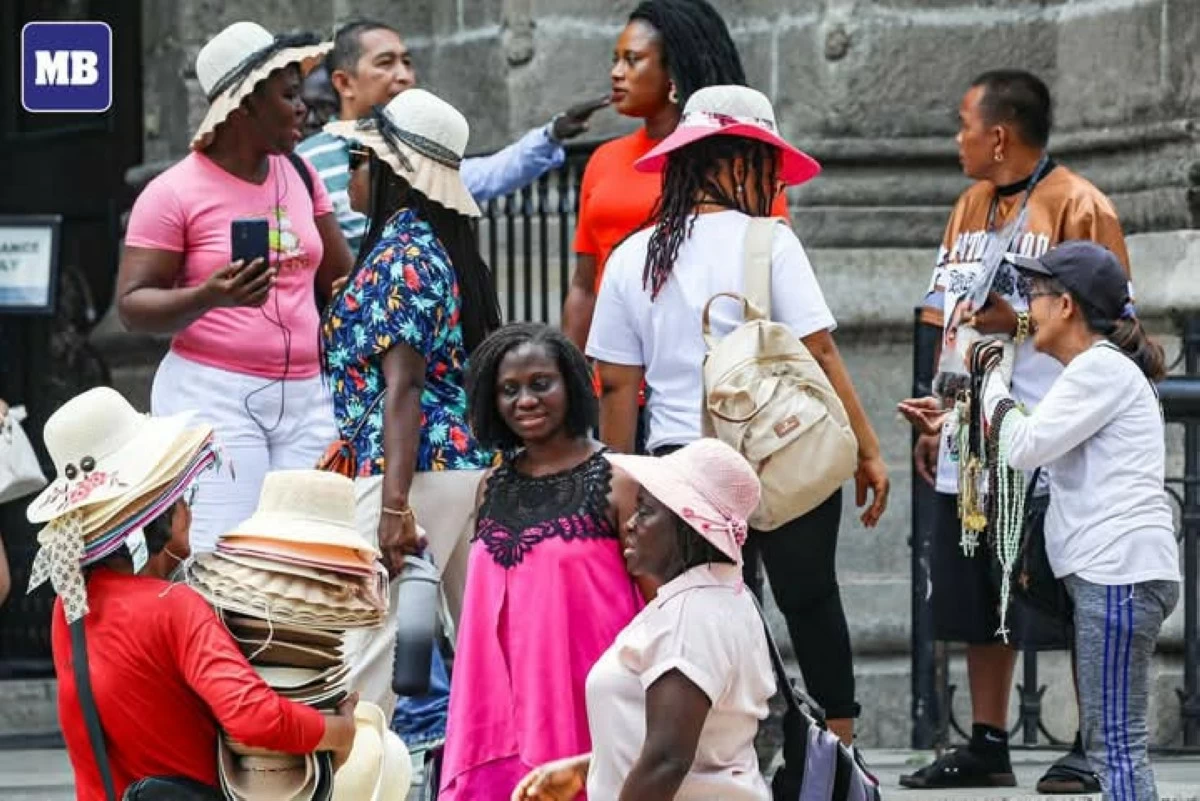
Foreign tourists visit the historic Walled City of Intramuros in Manila, one of the key destinations highlighted in government efforts to ensure visitor safety and enhance travel experience. (Photo by John Louie Abrina/Manila Bulletin)
The growing influx of South Korean visitors, the Philippines’ largest group of foreign tourists, has prompted the Department of Tourism (DOT) to intensify security measures and enforce stricter safeguards to ensure their protection during their stay.
DOT Secretary Christina Garcia-Frasco said the government is closely coordinating with key agencies to prioritize tourist safety and is pushing for the creation of a National Task Force on Tourist Safety to address rising concerns.
South Korea remains the country’s top tourism market, with over 1.57 million arrivals recorded in 2024 and an estimated contribution of USD 2.3 billion to the economy, according to DOT data.
“Any crime against tourists must be punished to the fullest extent of the law,” Frasco stressed, noting that such incidents not only harm victims but also threaten livelihoods dependent on tourism.
Frasco recently met with officials of the United Korean Community Association, Inc. (UKCA), to reaffirm the government’s commitment to safeguarding South Korean nationals.
Through its Tourism-Oriented Police for Community Order and Protection (TOPCOP) program, the DOT is working with the Department of the Interior and Local Government (DILG), the Philippine National Police (PNP), and other agencies to strengthen security in key destinations, with more than 8,600 tourist police officers trained nationwide.
Security coverage is also being expanded to barangay tanods and intelligence units in remote areas, with plans to increase the number of Tourist Police Units, Assistance Centers, and Desks, alongside Korean language training for officers.
Local governments have been urged to maintain strong police visibility in areas frequented by South Korean travelers.
The DOT is also intensifying its promotional efforts, including Korean-speaking agents at its Tourist Assistance Call Center, joint campaigns with travel partners, and the appointment of South Korean actor Seo In Guk as Philippine Tourism Ambassador.
Improved connectivity to key destinations such as Cebu, Clark, and Bohol remains a priority to ensure seamless travel for foreign visitors.
The DOT said these combined efforts aim to ensure a safe and welcoming environment for South Korean visitors as their numbers continue to rise.