







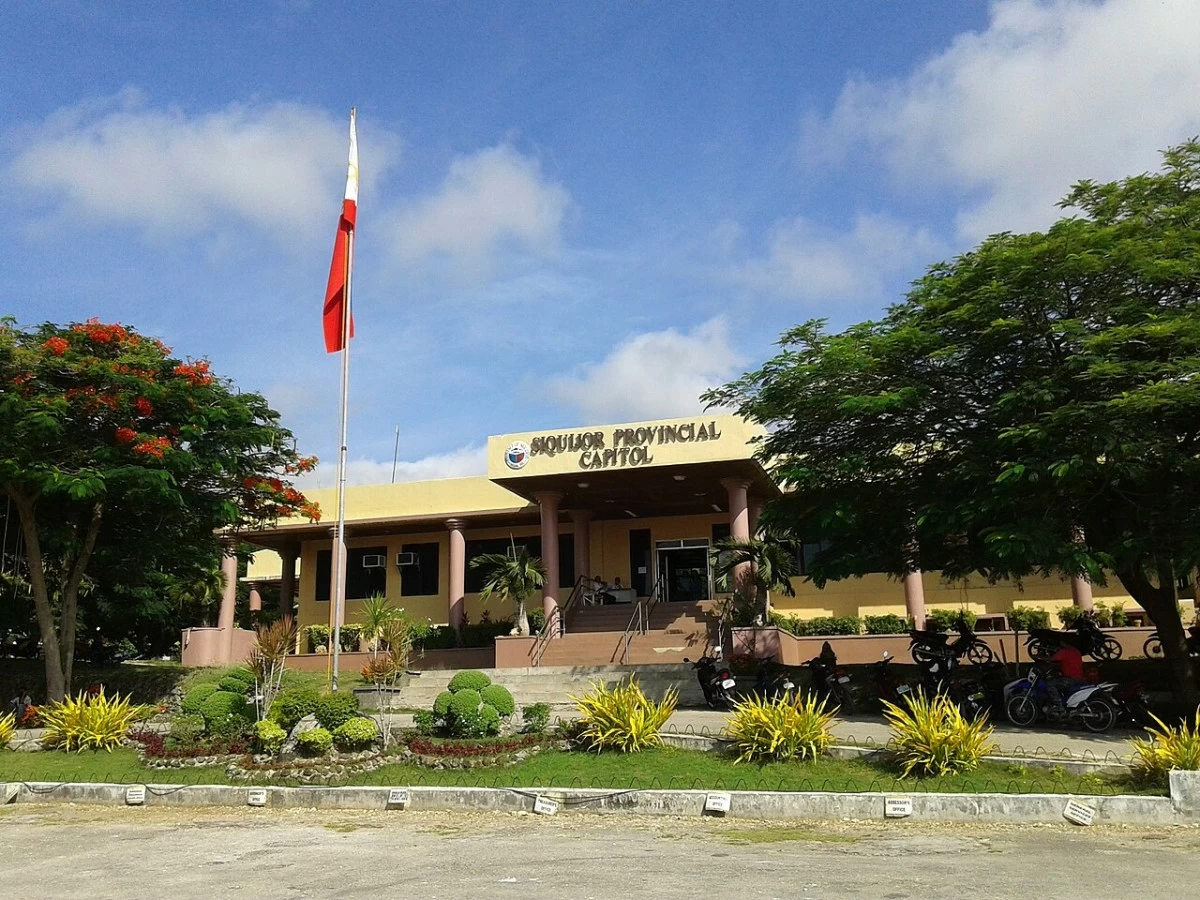
BACOLOD CITY – The Department of Agriculture (DA) is working closely with the Department of Health (DOH) in monitoring confirmed human melioidosis cases in Siquijor province.
DA, DOH monitoring melioidosis cases in Siquijor
Published Jun 2, 2025 10:04 pm


Initially suspected as glanders, the cases were identified as melioidosis after further laboratory testing by the DOH.
The DA, through the Bureau of Animal Industry (BAI) and its Regional Field Office (RFO) in the Negros Island Region (NIR), stepped up its response against melioidosis, a rare but potentially deadly zoonotic disease caused by the environmental bacterium Burkholderia pseudomallei.
As part of their response, DA-BAI and DA-RFO-NIR have deployed surveillance teams and implemented control measures in affected areas.
Samples were sent to a reference laboratory for confirmatory testing while ground monitoring continues.
Acting on President Ferdinand R. Marcos Jr.’s directive to safeguard public health and livestock, the DA urged animal raisers and handlers to strengthen farm biosecurity and uphold strict sanitary practices.
In an advisory, the DA said that transport of live animals and animal products must comply with health and safety regulations to prevent disease spread.
The agency reiterated the ban on slaughtering, selling, or consuming sick or suspected animals.
Only animals certified healthy by accredited veterinarians are allowed for sale, according to DA.
Consumers were advised to buy only meat with valid inspection certificates and practice proper food hygiene. The consumption of raw or unpasteurized milk is discouraged.
Livestock workers, particularly those exposed to muddy or flooded areas, were urged to wear protective gear such as boots and gloves to minimize risk.
The DA remains in close coordination with local veterinary and agriculture offices and encouraged the public to report any unusual signs of illness in animals promptly.
Common in tropical regions like Southeast Asia, melioidosis spreads through contact with contaminated soil or water and open wounds, inhalation, or ingestion.
With no available vaccine, DA stressed that prevention and early detection are vital.