







A year of Peace by Peace
Published Jun 2, 2025 12:05 am
|
Updated Jun 1, 2025 03:54 pm


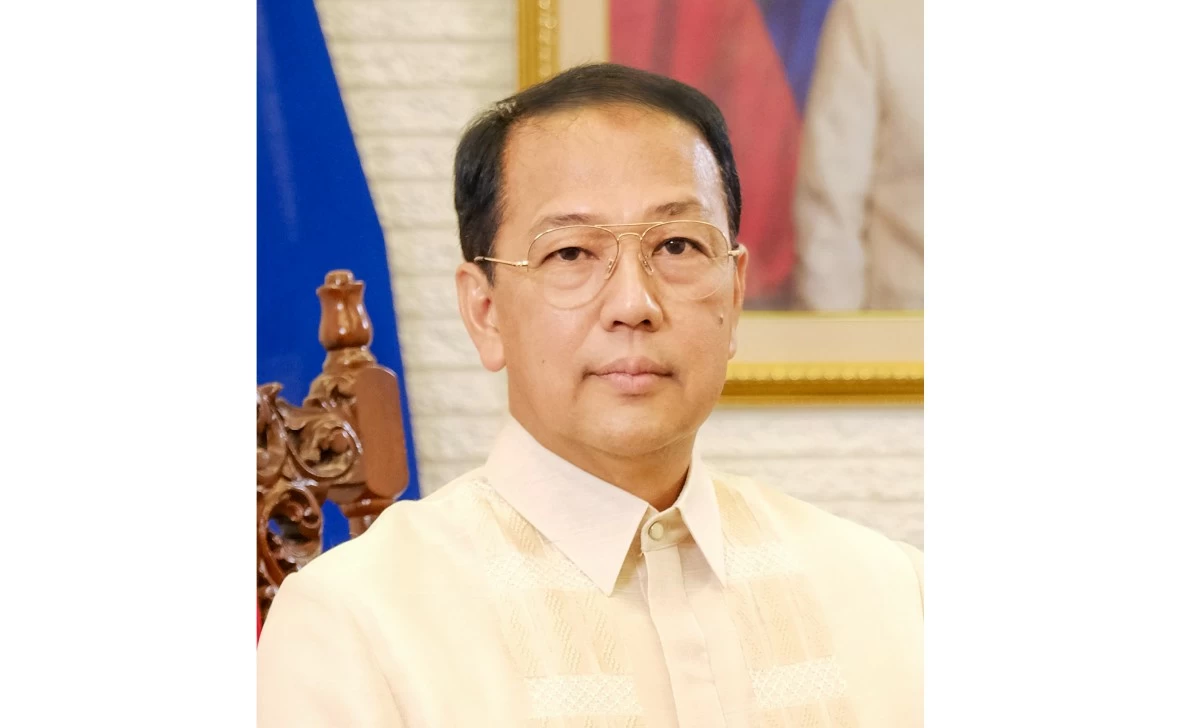
PEACE BY PEACE
One year ago, I began my exciting journey with the Manila Bulletin as I launched my column “Peace by Peace.” The foremost thought on my mind at that time was, will our readers be receptive to an opinion column that will do a deep dive on the comprehensive Philippine peace process? It did not take long for us to get an affirmative answer.
As I mark this milestone in our peacebuilding work, I extend my deepest gratitude to the management and editorial team of the paper led by Dr. Emilio Yap, III for giving the Office of the Presidential Adviser on Peace, Reconciliation and Unity (OPAPRU) a platform to share key developments and insights on the comprehensive Philippine peace process.
The partnership between the OPAPRU and Manila Bulletin could be best described as a match made in heaven, as both our organizations are heavily invested in peace, with the paper fully supporting our agency’s efforts to realize our collective vision of building a more peaceful, secure and resilient nation.
Through the more than 50 opinion pieces that have been published over the past year, we have highlighted the major initiatives being undertaken by the national government — in collaboration with its stakeholders — to foster genuine and long-lasting peace across the country, particularly in remote, conflict-vulnerable, last-mile communities.
Moreover, we have highlighted stories of transformation, resilience, and empowerment across OPAPRU’s various peace tables, reflecting the Marcos administration’s unwavering commitment to sustaining the gains of peace and achieving national unity, social cohesion, and sustainable economic growth and development.
We have tried to ensure that our column is not just a chronicling of events but also an in-depth analysis of our peace processes and the impact they are making on communities. It is also a call to action to each and every Filipino not to be passive observers and instead, be actively involved in the peacebuilding process.
With every column that we write, we try to give our readers an insiders’ perspective not only on how the national peace policy agenda is being carried out but also how it is continuously evaluated, enhanced and refined so that it would be able to effectively respond to emerging realities in the peace and security front.
Among the insights that we’ve learned in the implementation of the Bangsamoro peace process is that our approach to peacebuilding cannot be linear. As they say, peace is a long, winding and oftentimes, bumpy road. We must prepare ourselves to achieve the best outcome but at the same time, also have the capacity to recalibrate and course correct if necessary.
For instance, the removal of the province of Sulu from the Bangsamoro Autonomous Region in Muslim Mindanao (BARMM) by the Supreme Court posed a significant challenge, as this development could have serious repercussions on the first regional parliamentary election in the BARMM.
Thus, the OPAPRU supported the call and helped lobby for the resetting of the BARMM election, as this would give the Bangsamoro Transition Authority, the interim regional government, sufficient time to amend existing laws and pass key legislation that would address the situation.
For several months, we faced members of the Senate and House of Representatives in order to explain our position on why the Bangsamoro election had to be reset. We are glad that our honorable legislators from both houses of Congress became receptive to the proposal and eventually, positively responded to our call.
Such is the mindset we have applied across our peace processes with the Moro National Liberation Front, Cordillera Bodong Administration — People’s Liberation Army, KAPATIRAN, and the communist group. Our goal is not only to fulfill our commitments with these organizations but also to build on the gains we have achieved.
This is what we have emphasized, time and again, especially with our peace partners — that the signing of peace agreements is not the conclusion but is the beginning of a far more engaging, inclusive, and people-centered process that aims to uplift the wellbeing of former combatants and rebels, their families, and communities.
Because, at the end of the day, what matters most is not the number of peace deals we have forged but the number of lives we are able to transform in the process. As we have learned, there are no one-size-fits-all type of interventions for these ex-fighters. Thus, the best that we can do is align our programs and projects based on what they truly need.
This is the main challenge that we are confronting right now, and that is, how we can effectively translate the national government’s peace agenda into tangible initiatives that would have the greatest impact among these former combatants and enable them to push forward and complete their peace journey.
For peace is not only the silencing of the guns and the absence of cramped evacuation centers. More than anything else, peace is living in an environment that is free from fear, violence and conflict, and where everyone has the opportunity to thrive, prosper and achieve their full potential in a safe, peaceful and human rights-based society.
We, therefore, call on all segments of society — line agencies, local government units, civil society, academe, religious sector and international donor community – to work hand in hand with our office in promoting the culture of peace, mutual understanding and dialogue throughout the country.
We also wish to thank President Ferdinand Marcos Jr., whose vision of unity continues to guide our agency’s efforts. I also wish to recognize the invaluable support of Special Assistant to the President, Secretary Antonio Lagdameo Jr., whose unwavering commitment has strengthened the national peace agenda.
Together, let us continue with our journey, step by step, peace by peace.
(Secretary Carlito G. Galvez, Jr., is the presidential adviser on peace, reconciliation and unity.)