






Let’s be honest—family travel, especially with younger kids in tow, can be just as exhausting as it is exciting. Most parents will agree: sometimes, we end up needing a vacation after the family vacation.
Manila Bulletin
 Lifestyle
Luminaries and Life
Why kids struggle more when traveling—and six ways to fix this
Lifestyle
Luminaries and Life
Why kids struggle more when traveling—and six ways to fix this
Lifestyle
Luminaries and Life
Why kids struggle more when traveling—and six ways to fix this
Why kids struggle more when traveling—and six ways to fix this
A developmental pediatrician shares what parents often overlook before a family vacation
Published May 31, 2025 06:22 am


Family trips are a chance to slow down, reconnect, and make memories together. But if you're a parent, you know the chaos of home doesn’t exactly disappear—it just relocates. And for families with children around seven years old and below, it can sometimes feel even more intense.
There are scenes many parents know all too well, whether from personal experience or as silent bystanders—a cranky toddler mid-flight, a tired preschooler melting down at immigration, or a hangry child in the backseat. According to developmental pediatrician Dr. Jack Herrin, there’s a reason behind all of it.
Why travel triggers
Travel disrupts everything kids rely on: sleep, meals, routines, and familiar surroundings. “Kids, even those as old as six or seven, rely heavily on rhythm and predictability,” Dr. Jack explains. “Take that away, and you can expect more meltdowns, clinginess, or even trouble sleeping and eating.”
Eating later than usual or adjusting to even a one-hour time difference can throw off a child’s internal clock. “A lot of families book early morning or red-eye flights to make the most of their trip,” he shares. “But if your child normally sleeps at 8 p.m. and you’re waking them at 3 a.m. to catch a flight, that’s a lot to handle for their body and their emotions.”
Tips from the doctor
Now that we understand what’s behind the tantrums, we can be more intentional in how we prepare. Knowing your child’s usual rhythm will likely be disrupted helps set more realistic expectations.
“The goal isn’t to have a meltdown-free trip, but to plan in a way that gives your child and your family the best chance at a smoother experience,” says Dr. Jack.
With a bit of planning and a lot of patience, you can travel more smoothly as a family. Dr. Jack offers these practical tips:
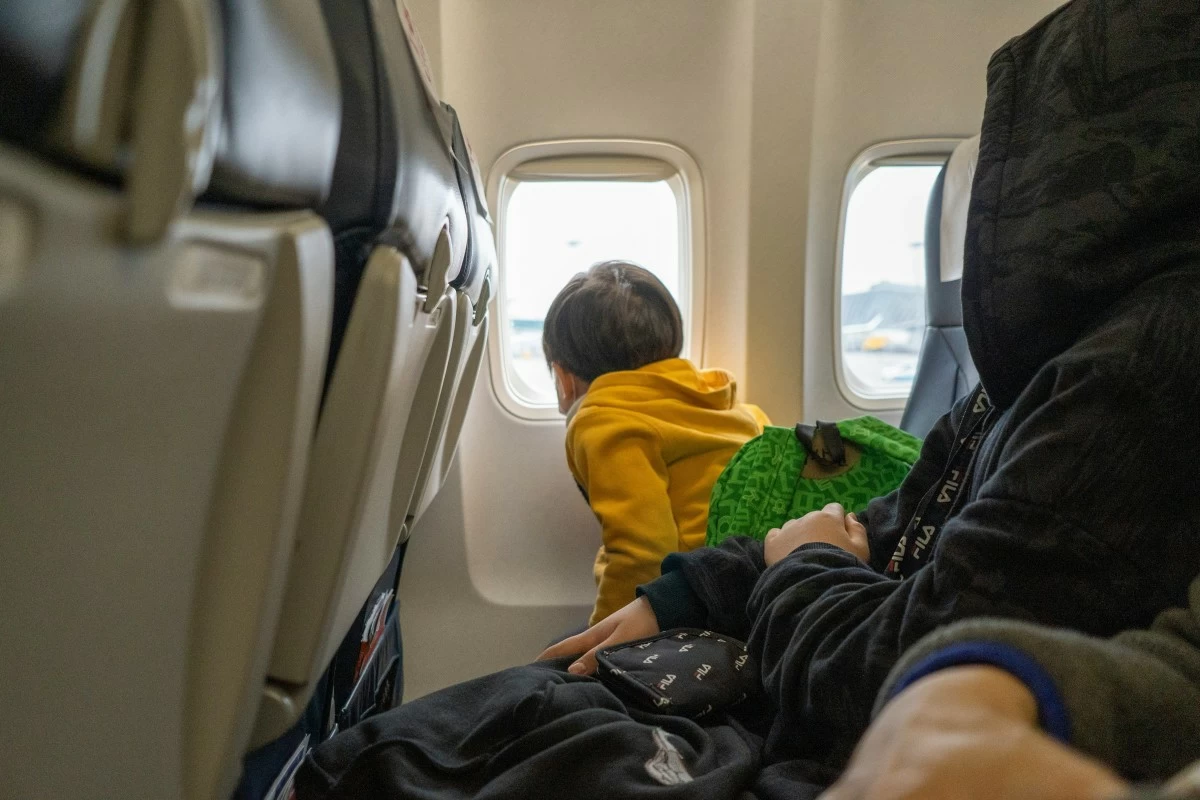
Photo by Minho Jeong/Unsplash
1. Prioritize sleep
Try to keep mealtimes and bedtime as close as possible to your child’s usual schedule. If you’re out exploring, keep snacks on hand to avoid hangry moments. If your little one struggles to stick to their regular sleep hours, don’t hesitate to move bedtime earlier.

Photo by PNW Production/Pexels
2. Always pack snacks
Hungry kids are cranky kids. Bring their favorite snacks—especially during peak travel seasons when it can be hard to book a table.

Photo by Stephen Leonardi/Pexels
3. Plan for downtime
Avoid the temptation to fill your itinerary. Choosing a day to rest—or planning just one short activity per day—makes a big difference. “Even adults need that. Kids feel it more,” adds Dr. Jack.
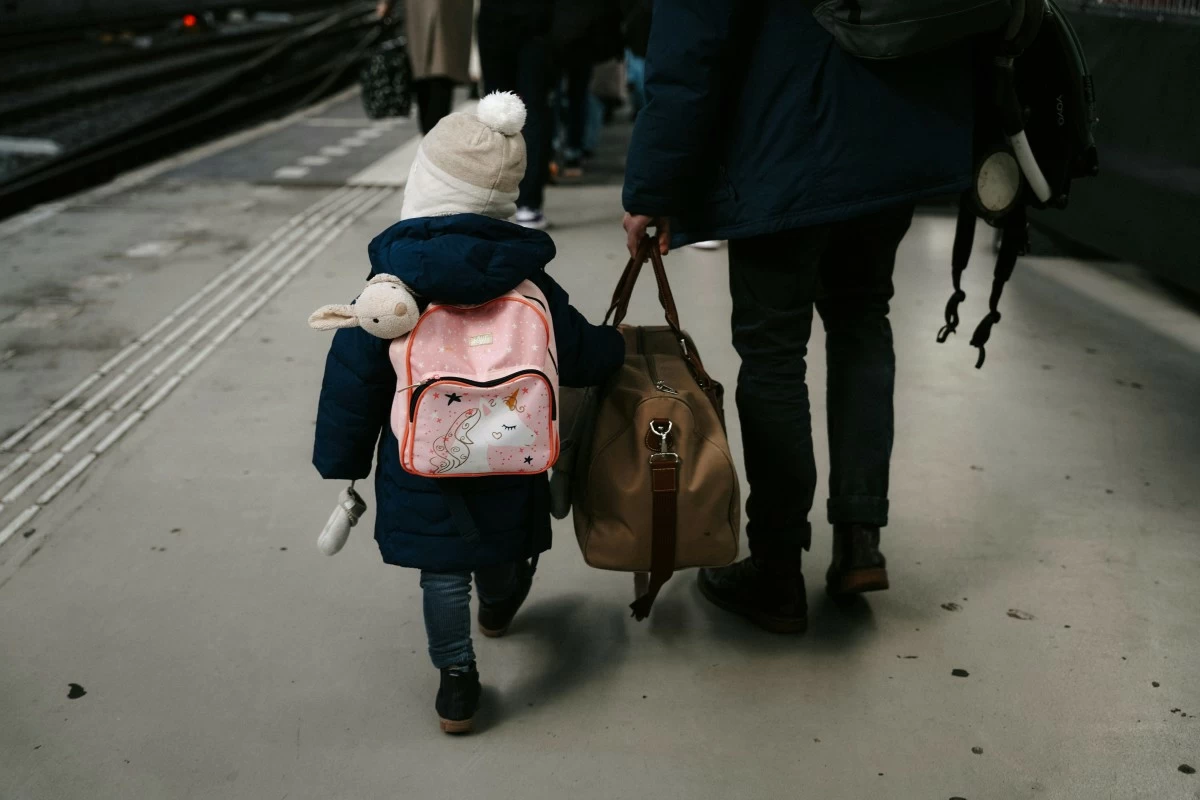
Photo by Mathias Reding/Unsplash
4. Bring familiar items
A small stuffed animal, a favorite blanket, or a well-loved book can help your child feel safe and grounded in an unfamiliar environment. These comfort items act as anchors—something familiar they can hold onto when everything else feels new or overwhelming.
5. Limit to two toys
Let your child choose one or two favorite toys to bring. This empowers them and reduces your packing load. “The less complicated, the better,” says Dr. Jack. “Avoid toys with multiple parts, as they might get lost in transit.”
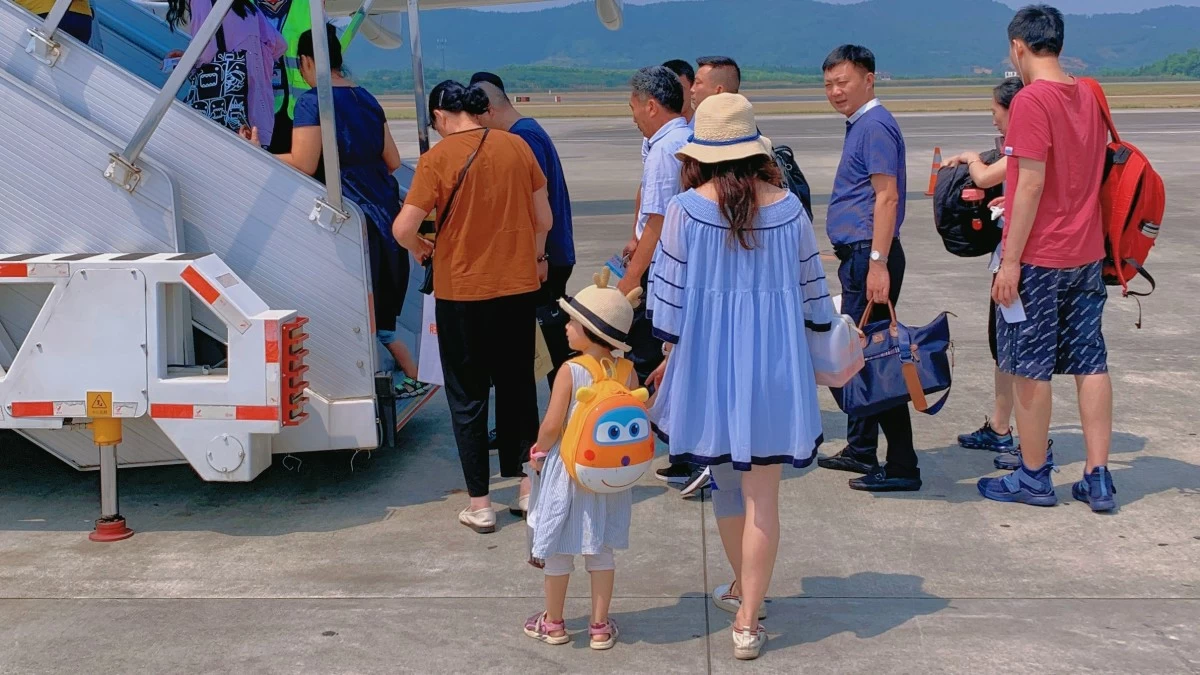
Photo by billow926/Unsplash
6. Model calmness
When tantrums strike, Dr. Jack reassures, “Most parents have been there. Staying calm is the best thing you can do—for you and your child.” He suggests offering distractions, like walking together if possible.
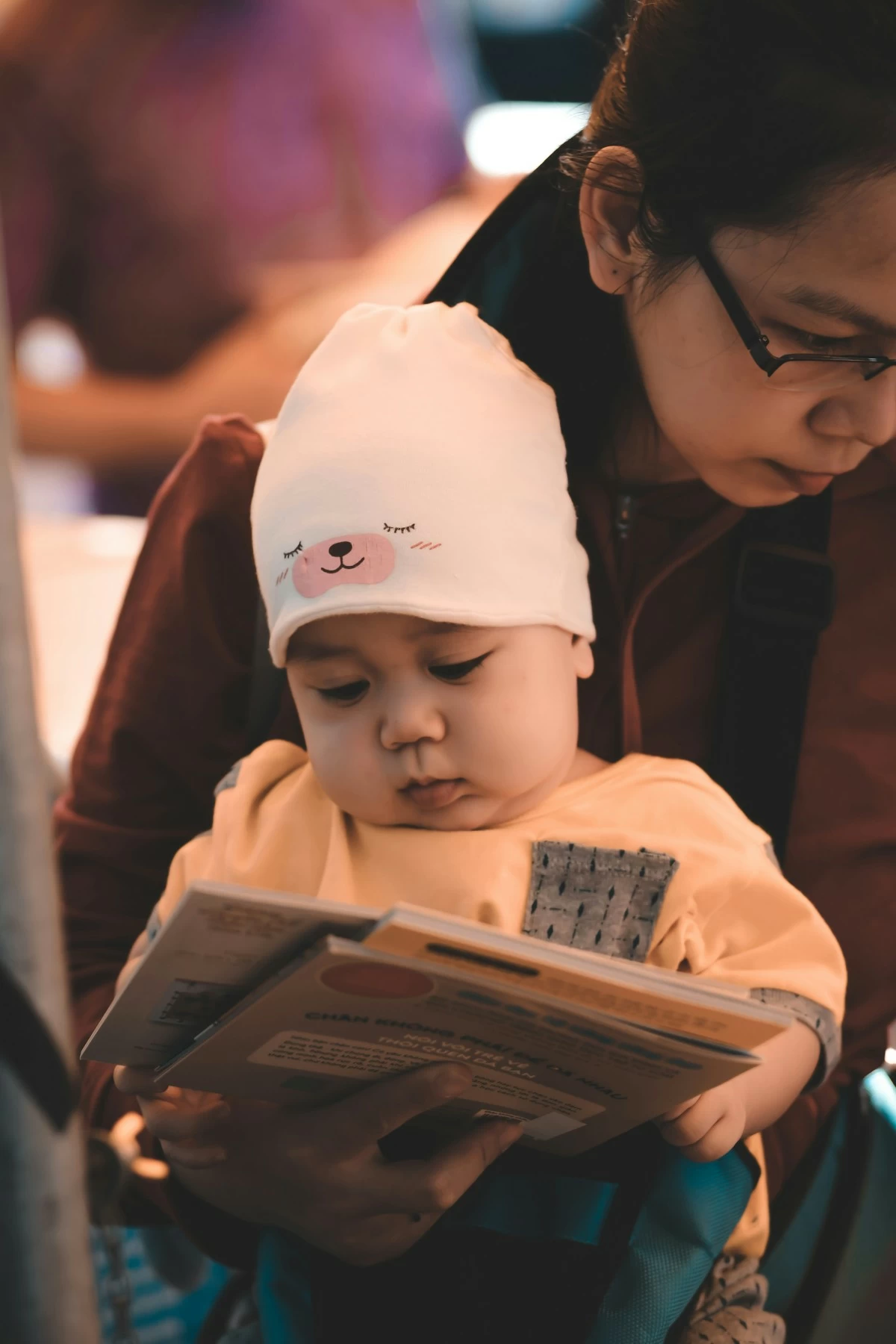
Photo by Streetwindy/unsplash
7. Lessen gadget time
While it’s tempting to hand over a device during a meltdown, he advises caution. “The blue light—even light in general—can interfere with melatonin production,” he explains. “That means your child may have an even harder time calming down or falling asleep afterward.”
8. Take care of yourself and each other
Traveling with kids is a team effort. Eat, sleep, and share the load when you can, so you’re not running on empty. “You don’t have to do it all alone,” Dr. Jack reminds.
—
With the right mindset and a little preparation, you just might find yourself planning the next family trip sooner than expected. It won’t always be smooth, but knowing what to expect—and how to respond—can make all the difference.
After all, the goal isn’t a perfect vacation—it’s making memories.