






With Philippine college programs weighed down by an excessive number of general education (GE) courses and lacking sufficient hands-on training and internships, education agencies such as the Department of Education (DepEd) and the Commission on Higher Education (CHED) are pushing for the "downloading" of GE subjects to the Senior High School (SHS) program.
Manila Bulletin
 Philippines
National
College courses in the Philippines: Too much general education, not enough practical training
Philippines
National
College courses in the Philippines: Too much general education, not enough practical training
Philippines
National
College courses in the Philippines: Too much general education, not enough practical training
College courses in the Philippines: Too much general education, not enough practical training
CHED, DepEd were urged to align efforts to embed core GE competencies in Senior High School, reducing college workload and redundancy
Published May 31, 2025 08:00 pm
|
Updated Jun 2, 2025 12:38 pm


At A Glance
- EDCOM 2 says the lack of practical training in Philippine college courses is a growing concern
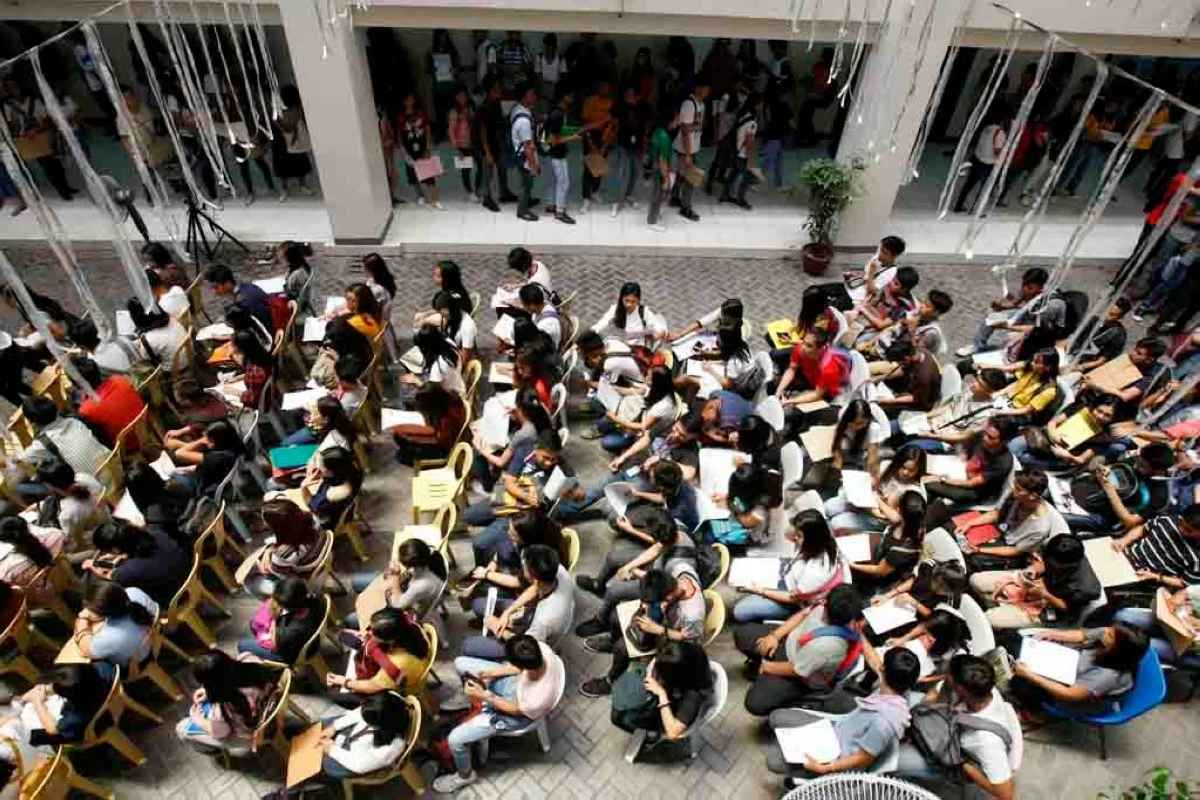
CHED and DepEd were urged to work closely together to embed key general education competencies into the Senior High School curriculum, thereby easing the load of college programs and eliminating redundancy. (MARK BALMORES / MANILA BULLETIN / FILE)
At a recent House Committee on Basic Education hearing, education stakeholders—including the Second Congressional Commission on Education (EDCOM 2), DepEd, and CHED officials—called for urgent reforms to the country’s higher education curriculum to better align it with global standards and labor market demands.
General education vs. practical skills
Edizon Fermin, Chairperson of the CHED Technical Panel for Teacher Education, emphasized the disproportionate focus on general education in Philippine college programs.
Fermin pointed out that, due to the substantial GE component in the country’s higher education system, approximately 42% of the credit structure consists of GE subjects.
“So lumalabas, lahat ng graduates natin ng higher ed ay minor in GE (As a result, all our higher education graduates effectively have a minor in GE),” Fermin explained.
“Kasi po umulit yung configuration ng exit courses natin in the key disciplines kahit na may college readiness standards (This happens because the configuration of exit courses in key disciplines has been repeated, even though college readiness standards already exist),” he added.
Fermin proposed that a possible solution is to “download” or transfer some GE subjects to the SHS curriculum. This, he said, could reduce the length of college programs by at least one semester and help students graduate or enter the workforce sooner.
Filipino college degrees exceed global norms, lack internships
Citing initial findings from a Philippine Institute for Development Studies (PIDS) report, EDCOM 2 Executive Director Karol Mark Yee supported the CHED panel’s proposal.
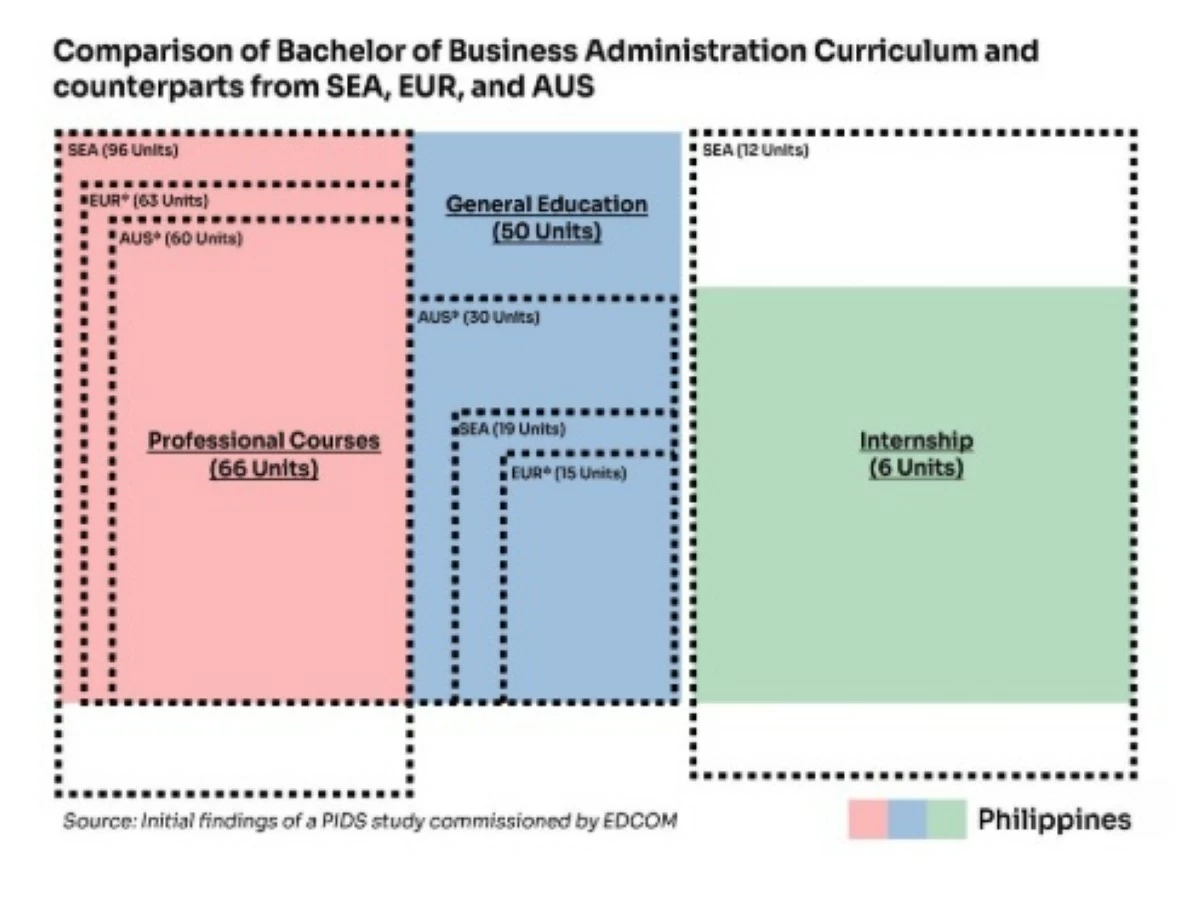
As an example, the Professional Courses, General Education, and Internship components of CHED’s Bachelor of Business Administration curriculum were compared to those of counterpart programs in Southeast Asia, Europe, and Australia. (Courtesy of EDCOM 2)
“The study shows that across the board, college courses in the Philippines exceed requirements in ASEAN, Australia, and the EU, with most bachelor’s programs being ‘GE-heavy, internship-light’,” Yee said. “This means Filipino students end up with dozens more units compared to those in other countries,” he added.
For example, a comparison between CHED’s Bachelor of Business Administration curriculum and international benchmarks revealed that Philippine programs require more GE units while offering fewer internship hours.
CHED, DepEd seek better alignment through revised SHS Curriculum
In response to these concerns, DepEd presented its revised SHS curriculum during the hearing.
The updated program reduces the number of core subjects to five—many of which mirror competencies currently found in college-level GE courses.
By “downloading” these subjects to SHS, DepEd aims to lighten the college curriculum and eliminate redundancy.
In addition to core courses, DepEd also plans to offer a range of elective subjects tailored to students’ academic or career interests, ensuring they are both college- and career-ready.
House Committee Chair Rep. Roman Romulo, who also co-chairs EDCOM 2, stressed the importance of avoiding duplication in the education pipeline.
“There’s a PIDS study, and it said that nung nagbawas ng GE subjects, ang ginawa naman ng CHED technical panels, nag-add ((There was a study by PIDS, and it found that when GE subjects were reduced, CHED's technical panels added new ones in their place,” Romulo said.
“But the thing is we went over and beyond—ang daming dinagdag, ang dami ring nahirapang makatapos (But we went overboard—so many subjects were added, and many students had a hard time graduating),” he added.
However, some lawmakers, such as Representative Stella Quimbo, warned that while giving students more elective choices is valuable, it must not come at the expense of foundational college readiness.
CHED-DepEd collaboration key to curriculum reform
CHED assured the committee that it is actively coordinating with DepEd to prevent overlap.
Through newly reconstituted technical panels, CHED is reviewing the curriculum to ensure GE competencies are integrated into the SHS curriculum. This would allow college students to focus more on specialized and practical subjects.
Yee noted that CHED and DepEd should work together in providing a list that considers what students will need in college while also giving them leeway for their interests.
“The goal is to ensure that the electives students choose in SHS can meet potential prerequisite requirements for college, while also allowing other elective choices to be credited later on,” he added.
Romulo also emphasized the need for synergy between CHED and DepEd to ensure a more seamless transition from basic to higher education.
EDCOM 2 is a congressional commission created under Republic Act 11899. It is mandated to evaluate the performance of the Philippine education system and propose legislative reforms to address the country's ongoing education crisis.